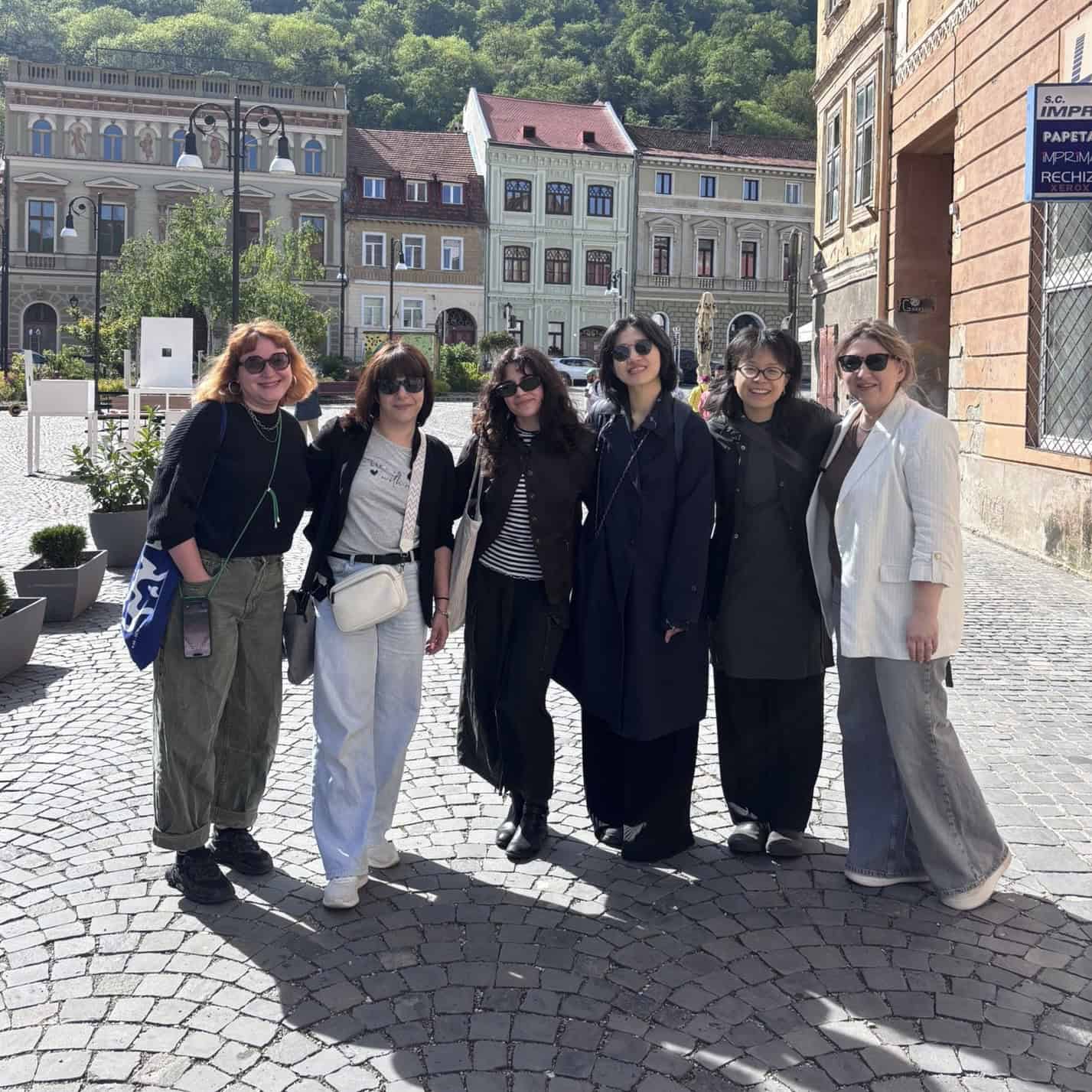
Location: Brașov, Romania
Dates: 14 – 28 May 2026
Artists: Kitman Pik Chee Yeung (Groundtable Collective), Yue Liu, and Cemre Kara
Curator: Georgia Țidorescu
Host organisation: Brașov Metropolitan Agency for Sustainable Development
Between 14 and 28 May 2026, the city of Brașov held one of the five Arts Feeds Collective Residencies, as part of the Feed Your Future project, under the theme Edible Commons: Performing the Future of Food.
Coordinated by BJCEM – Biennale des Jeunes Créateurs de l’Europe et de la Méditerranée, and locally implemented by the Brașov Metropolitan Agency for Sustainable Development, the residency brought together international artists, local organisations, community members, and cultural practitioners to explore the relationship between art, climate change, and sustainable food production and consumption.
With a focus on capacity building and artist empowerment, the two-week residency provided a space for artistic research, experimentation, dialogue, and community engagement. Rather than focusing solely on artistic production, the programme encouraged participants to immerse themselves in the local context, learn from existing initiatives, and develop creative responses to contemporary food-related challenges.
Discovering Brașov Through Food, Culture and Community
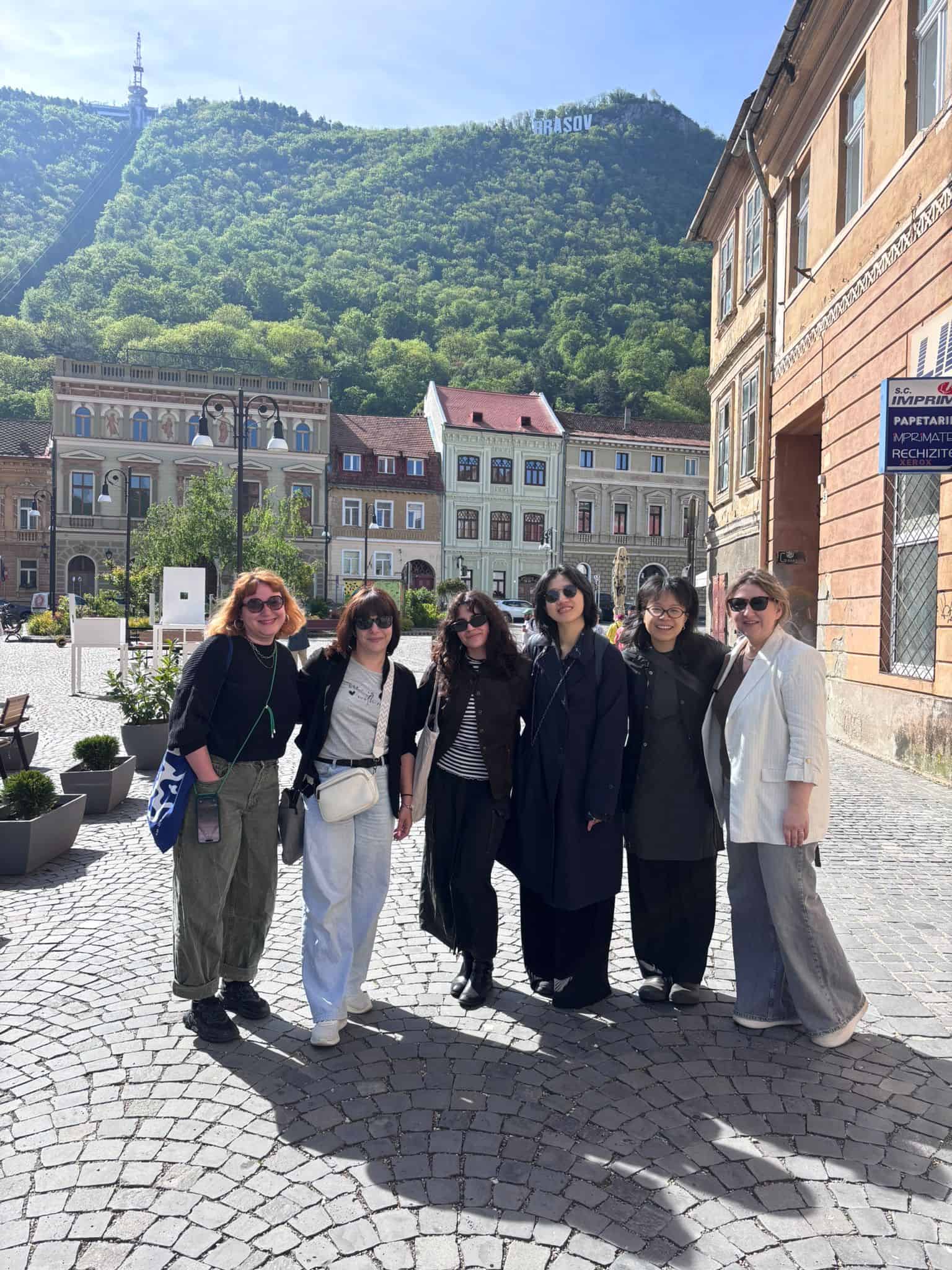
The residency began with a series of experiences designed to introduce artists to the local context. Participants engaged with local stakeholders and explored places that offered different perspectives on Brașov’s social, cultural, and environmental landscape.
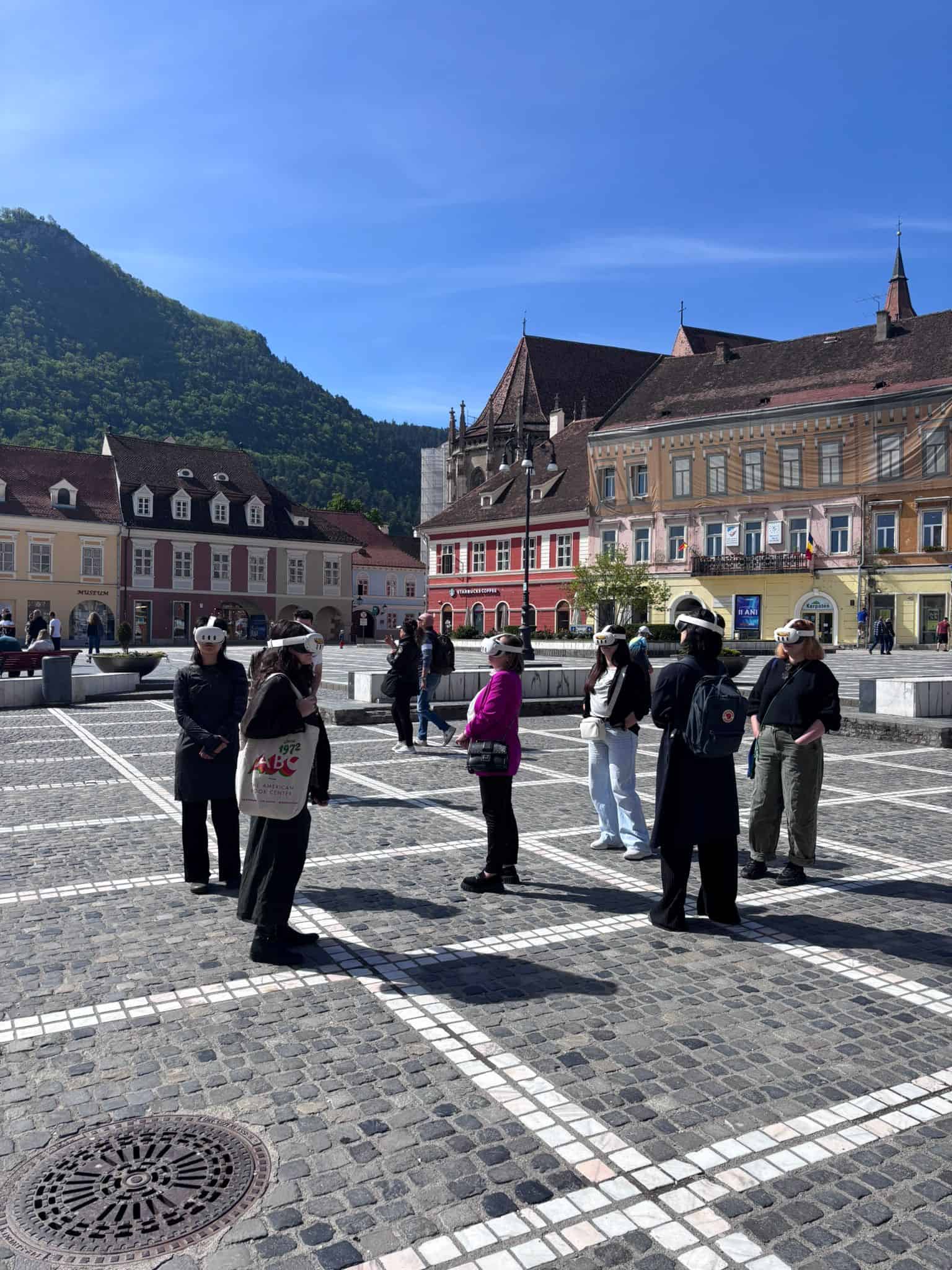
One of the first activities was an immersive visit of Brașov with VR Tours, through which artists explored how virtual reality can be used as a tool for documenting, interpreting, and reimagining places, memories, and local narratives. The experience opened new perspectives on how technology can support storytelling and community engagement around food and cultural heritage.
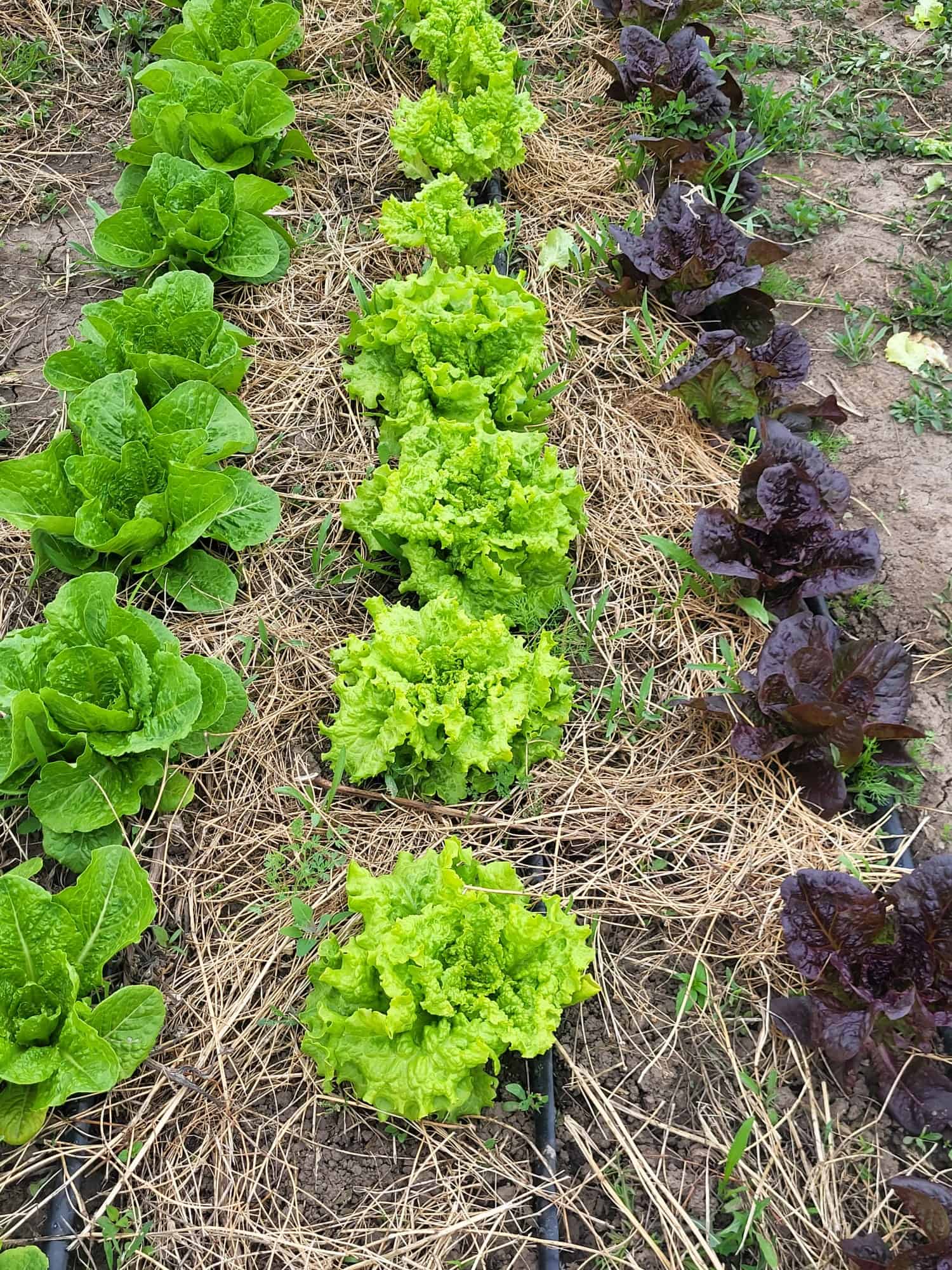
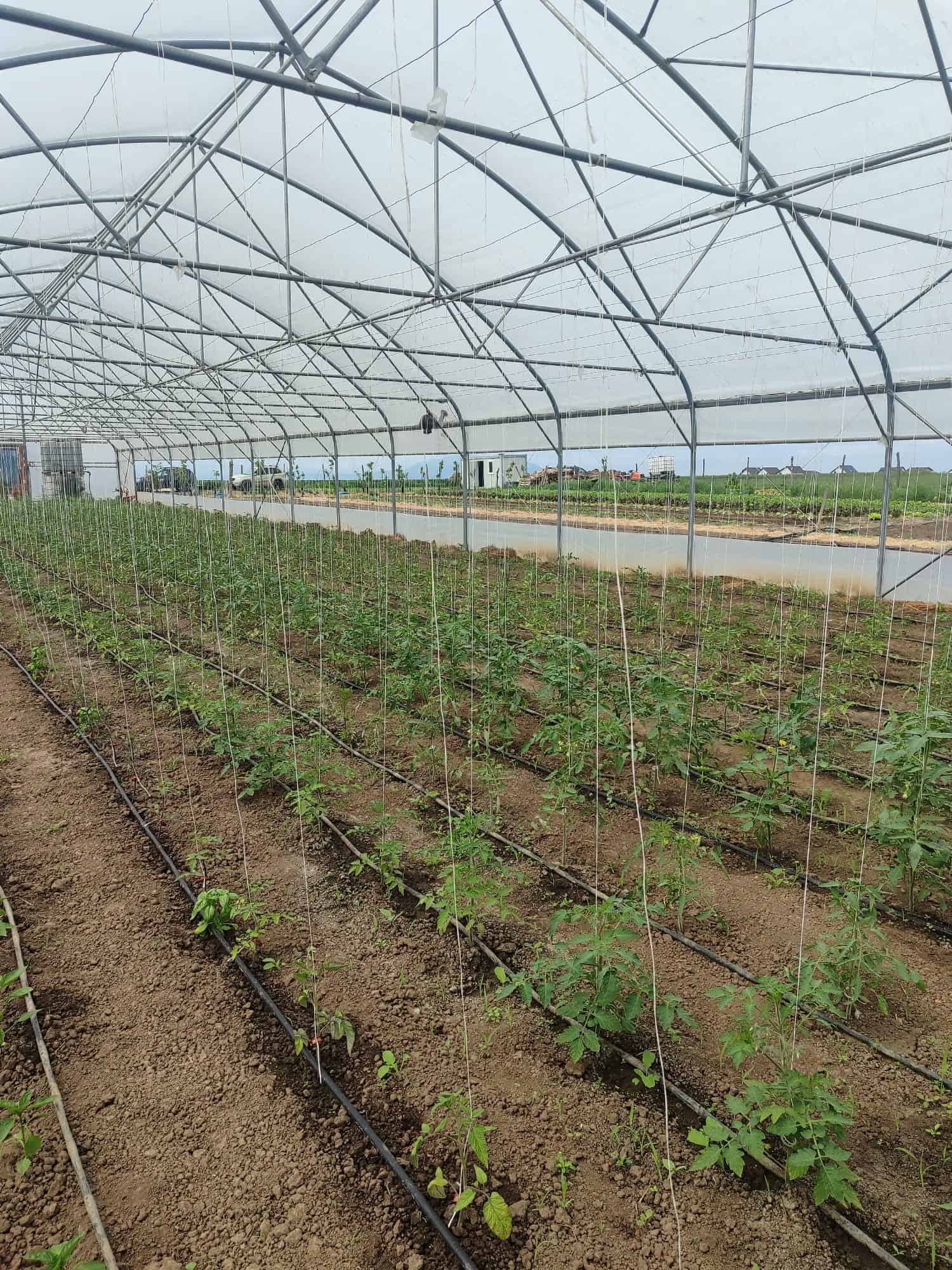
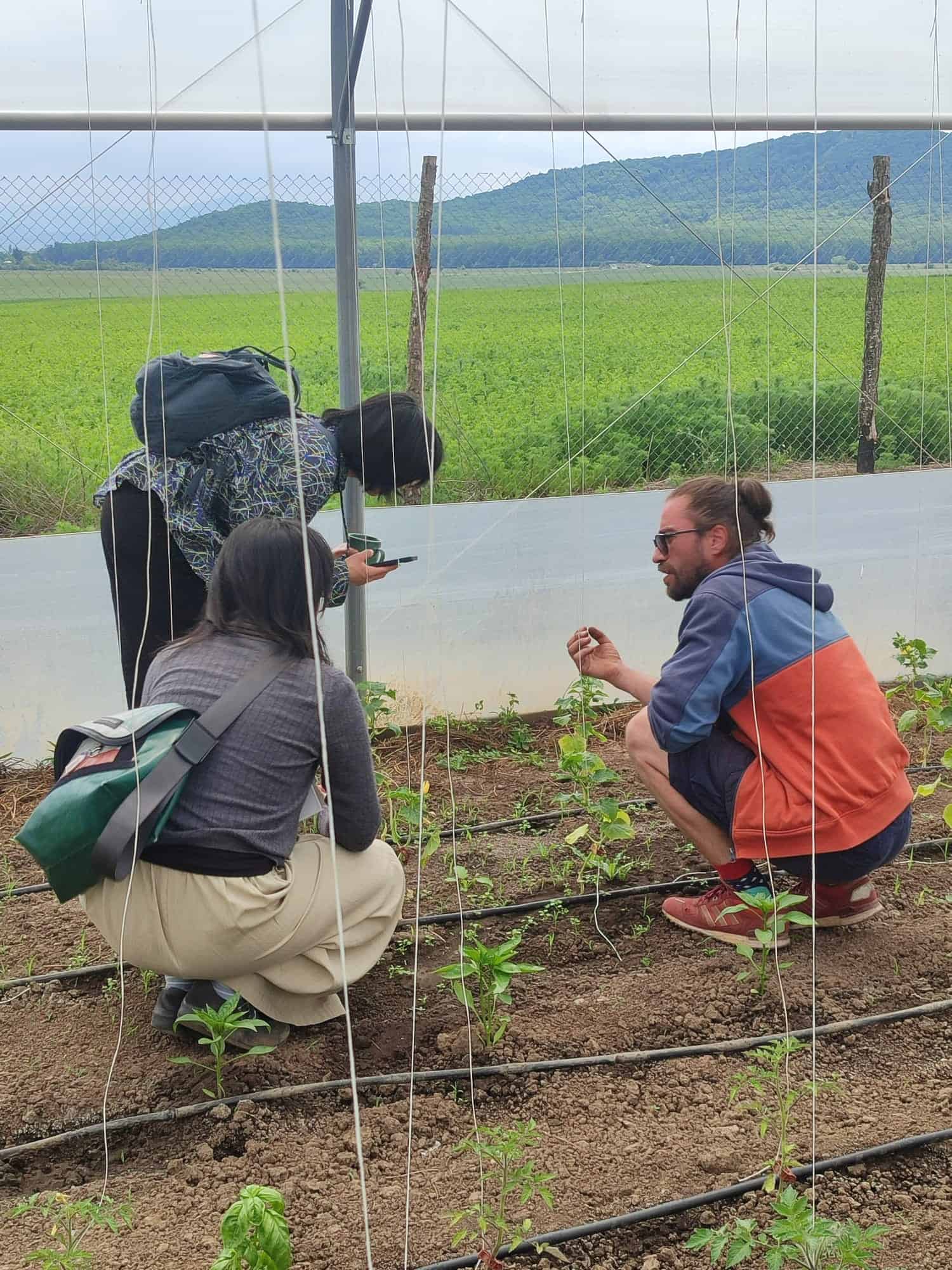
Visits to initiatives such as Kasper Garden highlighted local approaches to sustainable agriculture and community-oriented food production, while encounters with cultural organisations and community groups provided insight into local traditions, collective practices, and forms of knowledge sharing.
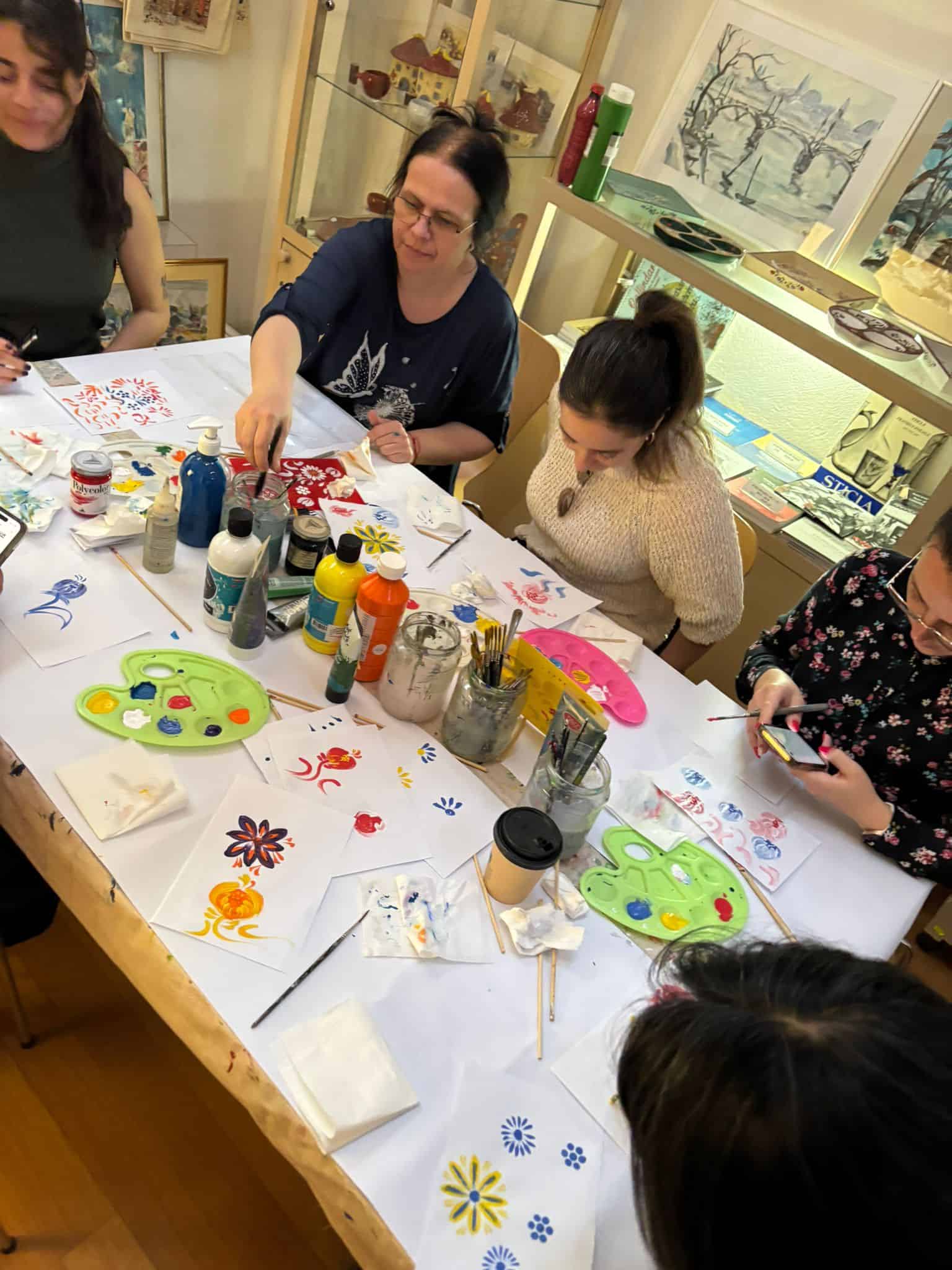
A visit to the Museum of Urban Civilization of Brașov offered an opportunity to reflect on the city’s history and identity, while participatory activities—including a traditional flower and folk motif painting workshop—encouraged artists to engage directly with local cultural heritage and craftsmanship.
Artistic Research and Community Engagement
Throughout the residency, artists developed their projects through a combination of individual research, collaborative discussions, and interactions with local communities.
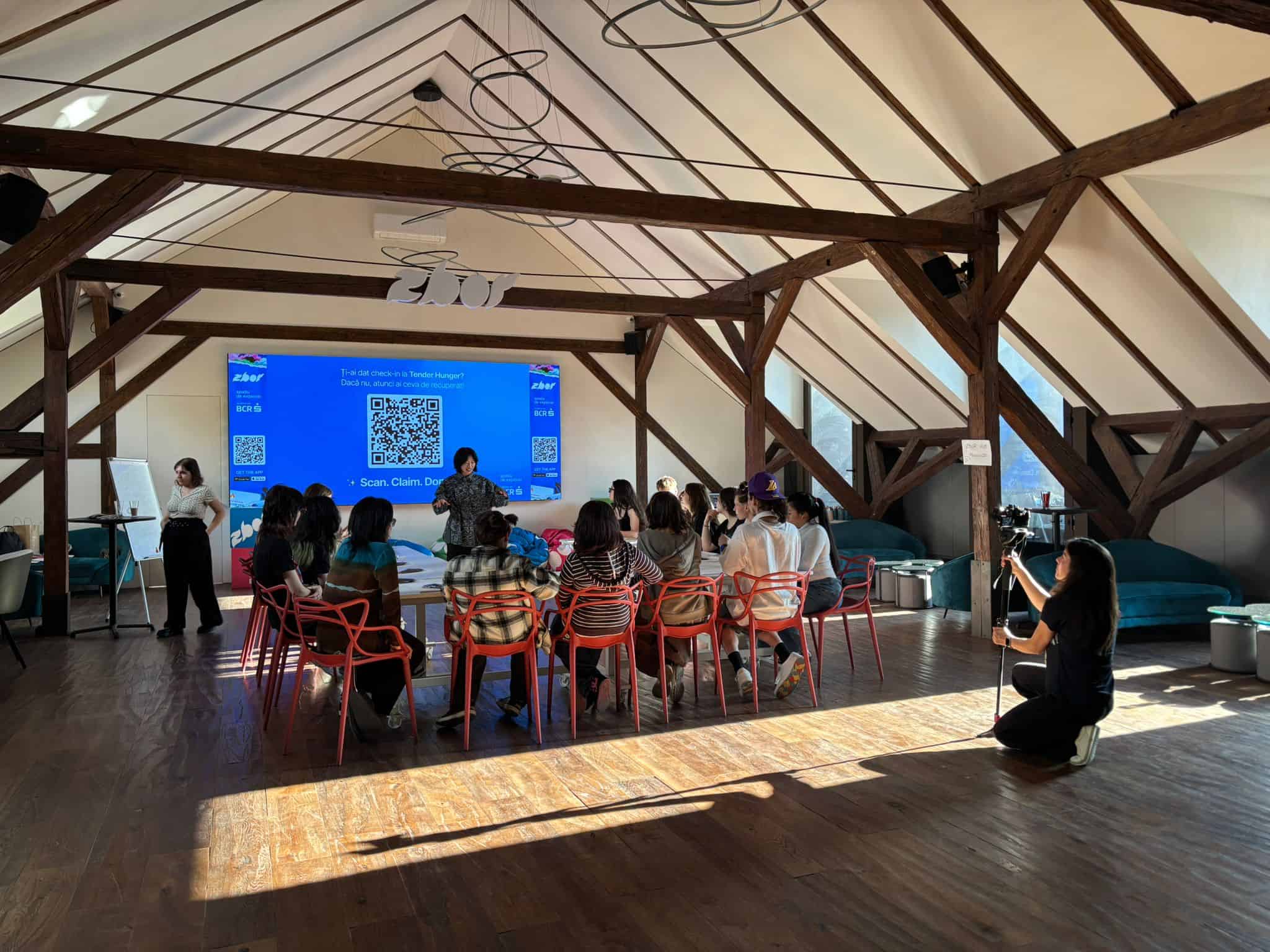
Through a performative workshop at Zbor Hub, artist Yue Liu invited participants to explore hunger as a complex embodied experience through the six thematic chapters of her project Tender Hunger. Combining reflective writing, group exercises, movement, and an immersive soundscape, the workshop encouraged participants to connect personal memories, sensory experiences, and collective imagination, while creating a space for self-expression, empathy, and collaborative storytelling around food, care, and the human relationship with nourishment. Participants were also invited to contribute to the final performance of the residency.
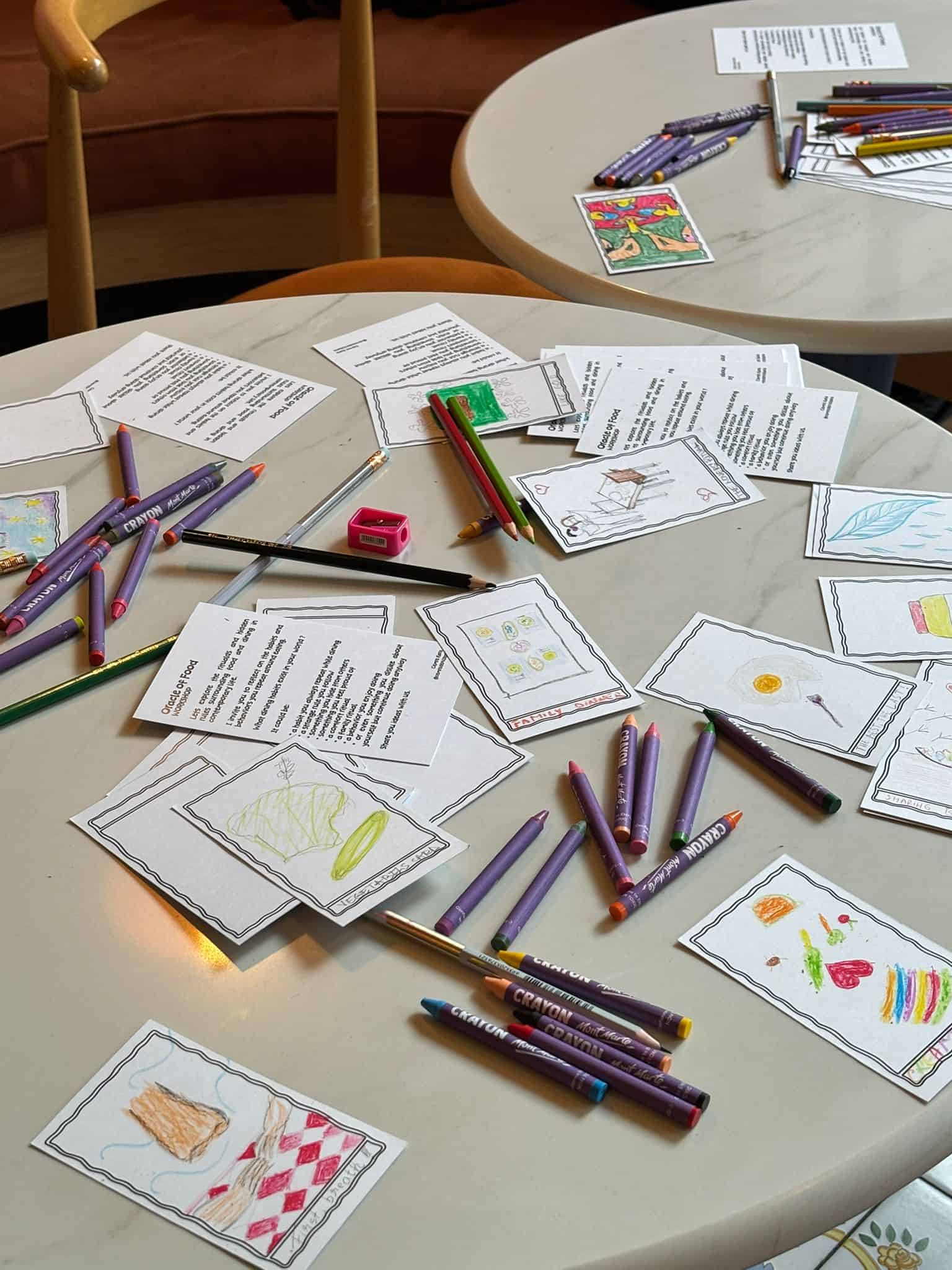
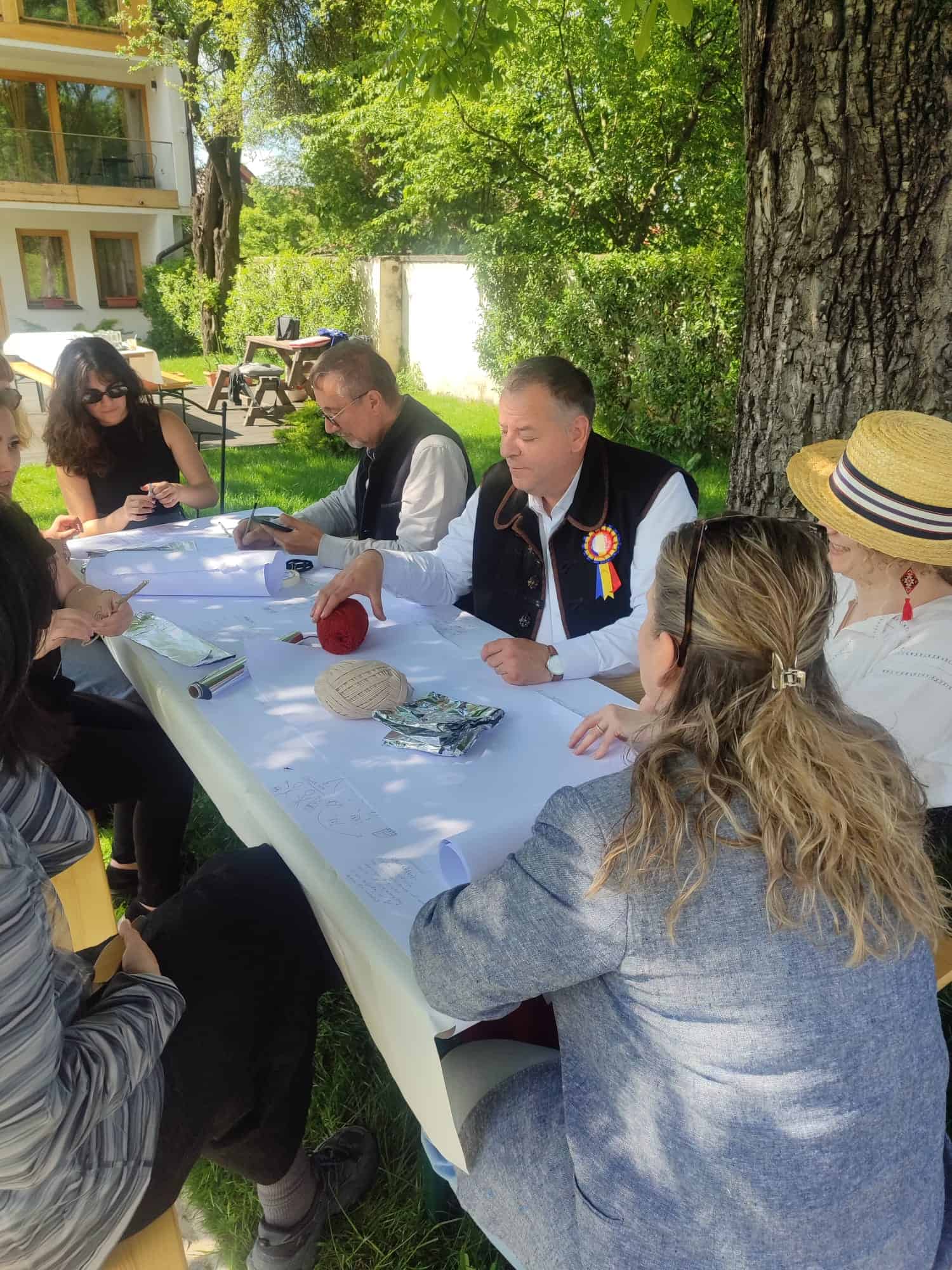
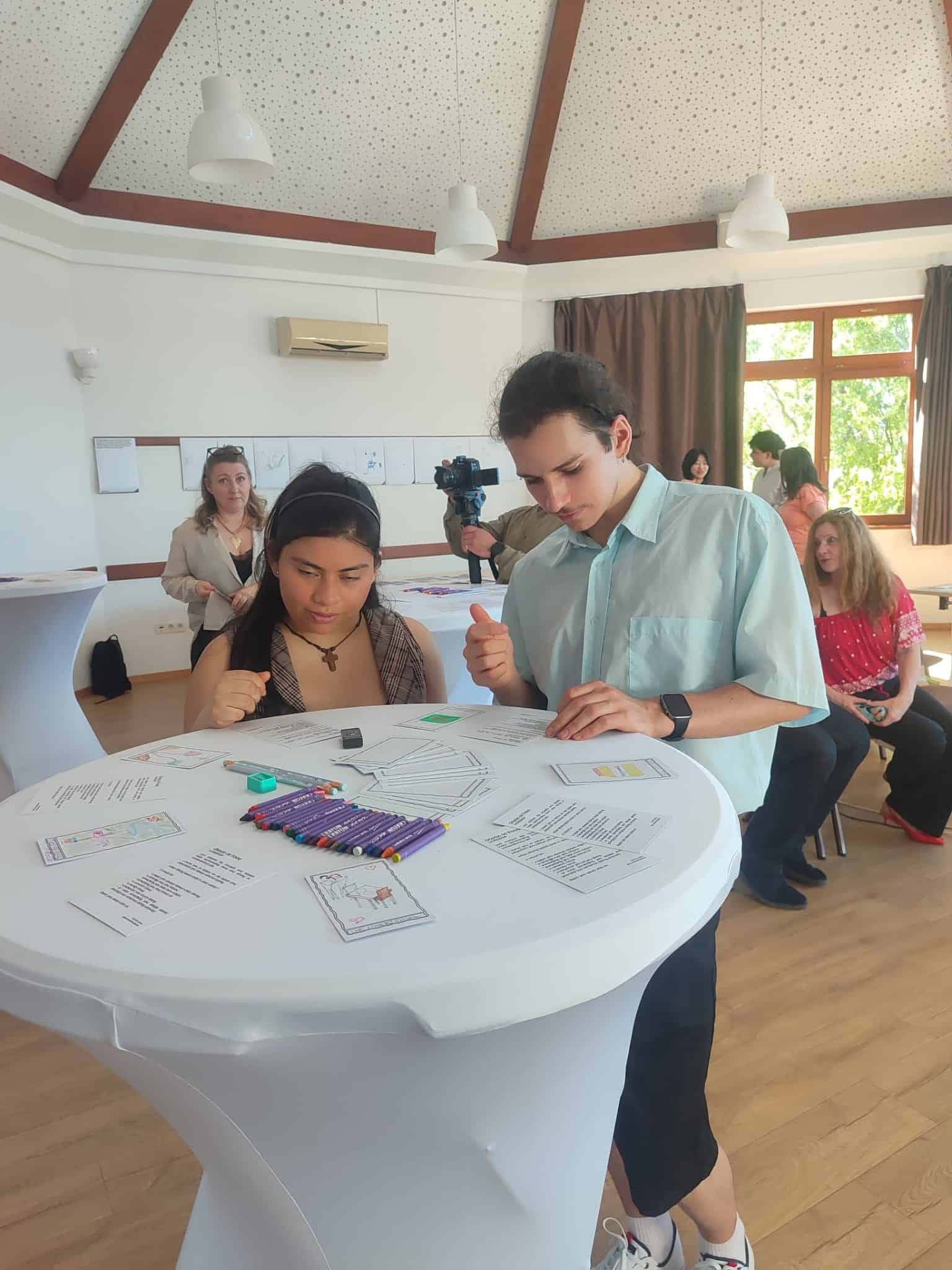
Artists also paid particular attention to understanding how food habits are shaped by social, cultural, and environmental factors. Through interactive workshops, Cemre Kara invited participants to explore their own food routines, reflect on food-related behaviours, and collectively examine challenges and opportunities connected to food consumption.
Other activities focused on co-creation and collaborative problem-solving. Artist Kitman Yeung facilitated workshops focused on the challenges encountered in everyday kitchens, encouraging participants to imagine and develop possible solutions together.
The two-week event included community meetings, interviews, informal conversations, and other participatory activities that enabled artists to gather stories, observations, and experiences related to food and everyday practices.
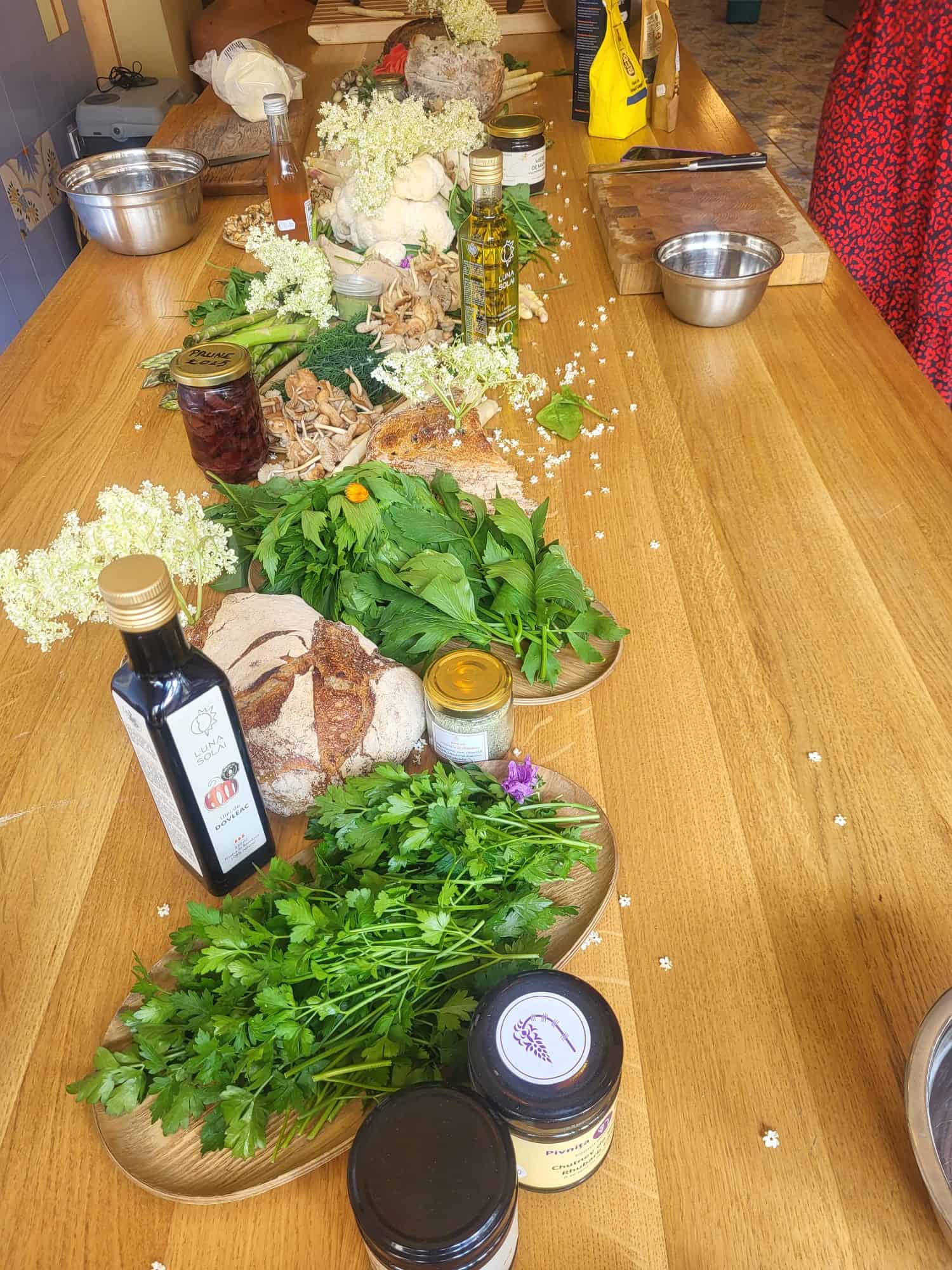
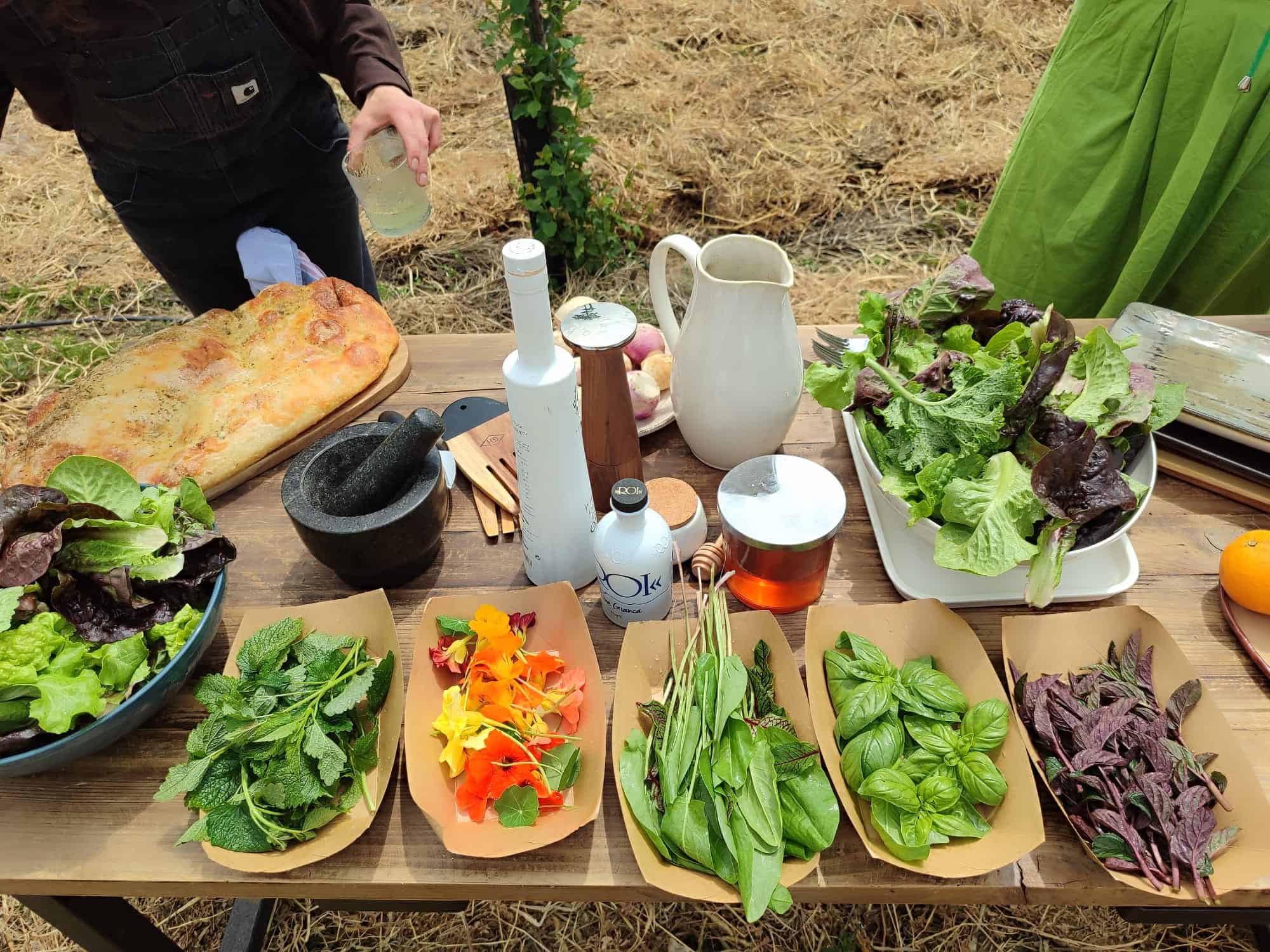
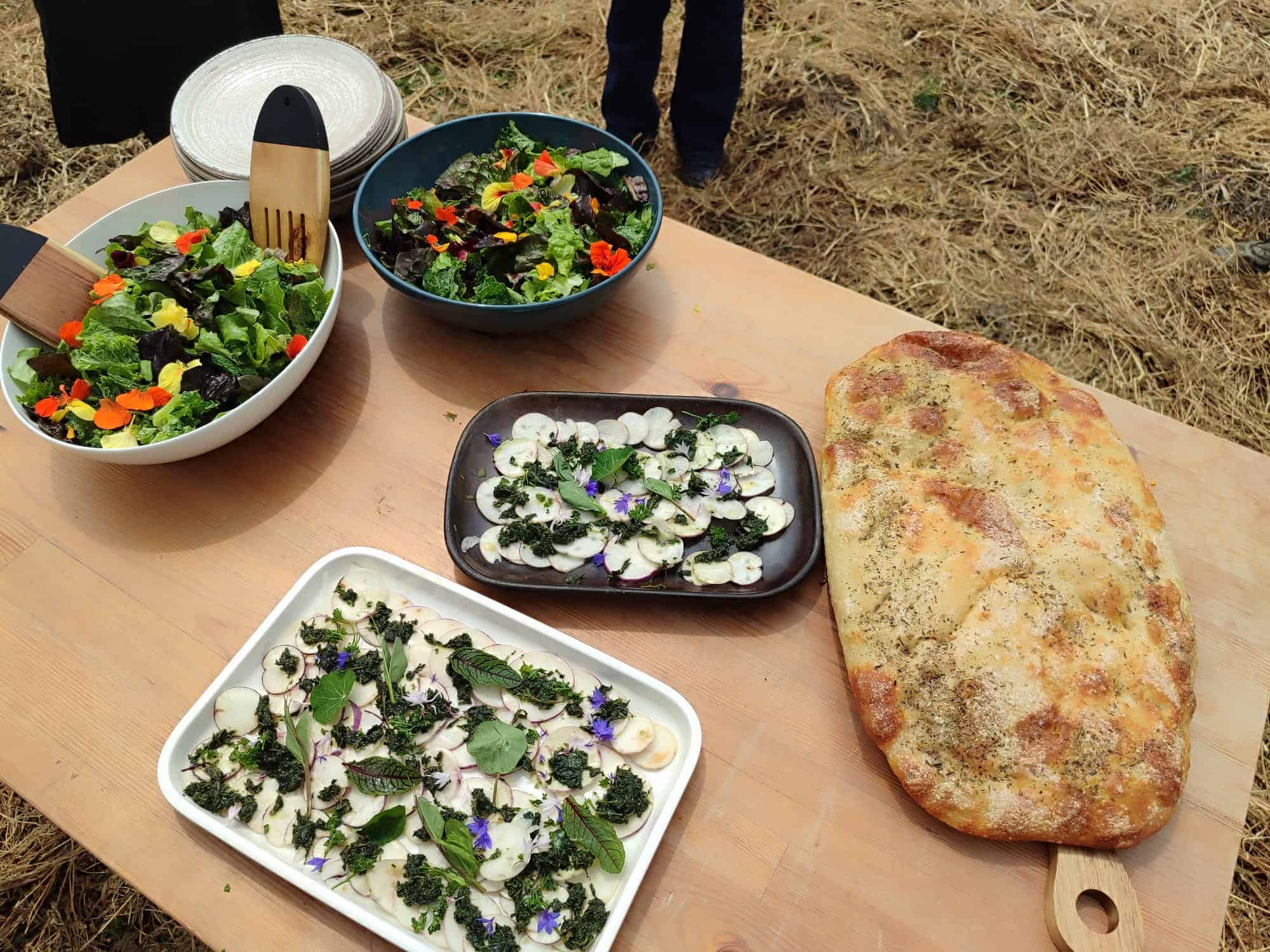
Food itself became a central medium for exchange and learning. Brașov’s invited the chef and food facilitator Elyas Liera to guide a collaborative cooking workshop, during which participants prepared and shared dishes using local and natural ingredients, creating an opportunity to discuss sourcing practices, seasonality, and the cultural significance of food. The experience encouraged dialogue around sustainable food systems while strengthening connections among participants through the act of cooking and eating together.
Another memorable moment was the gathering at Casa Piedra, where artists took part in a guided tasting session with historian Alexandru Stănescu, and were introduced to traditional Romanian recipes. Through food, storytelling, and conversation, the meal offered a deeper understanding of local heritage and the ways in which culinary traditions continue to shape cultural identity and community life.

From Research to Public Presentation
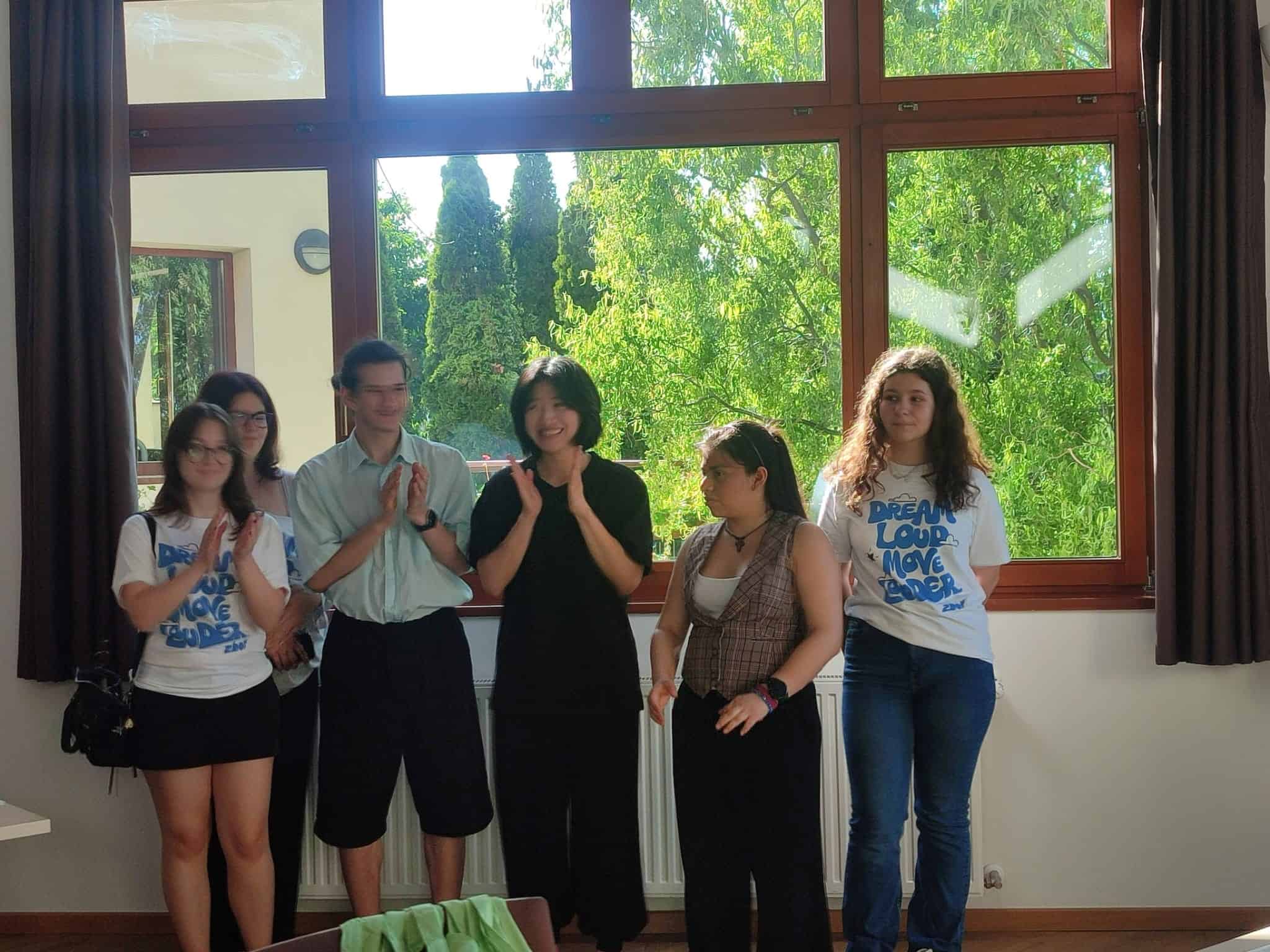
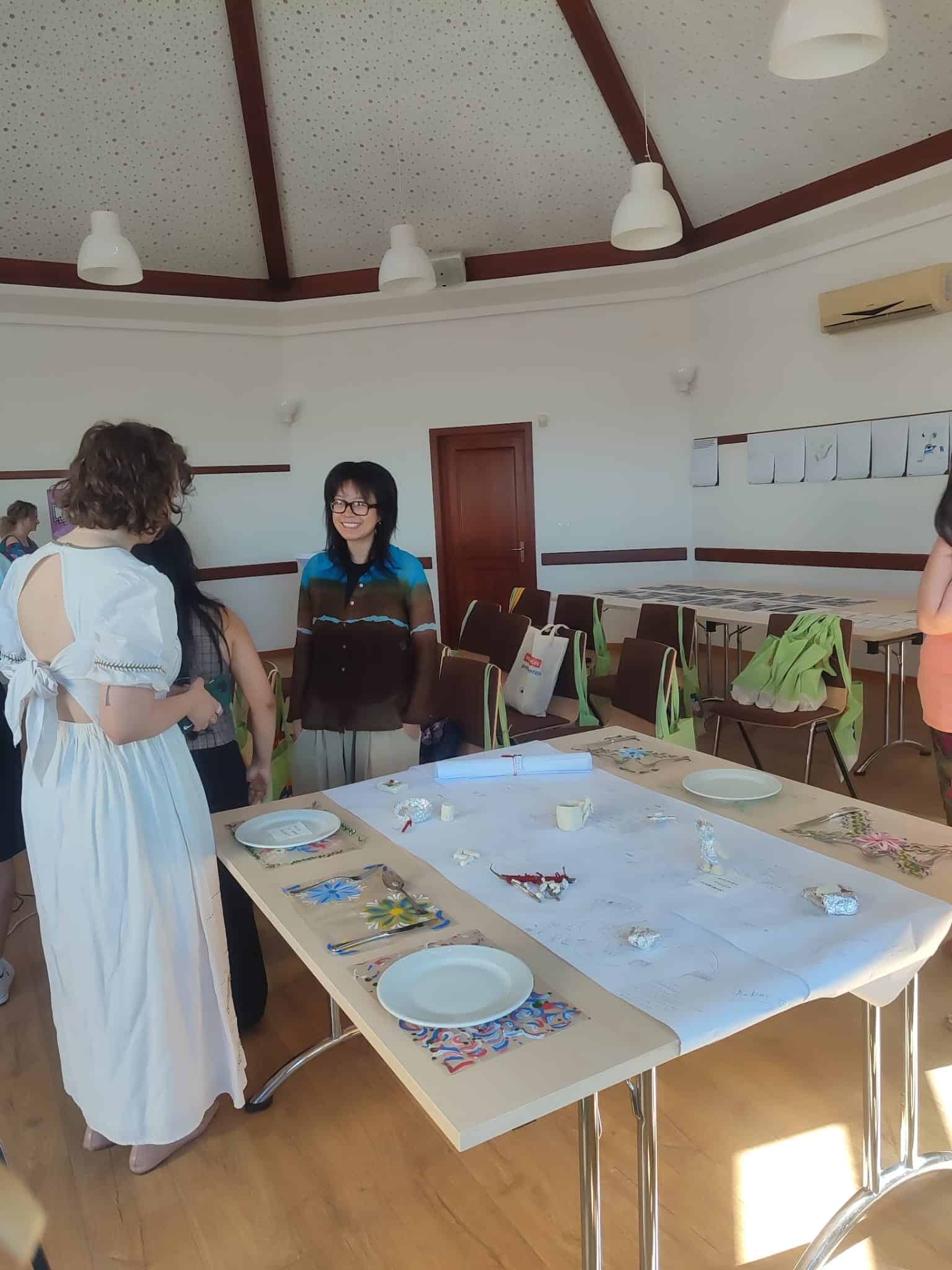
As the residency progressed, artists transformed their research findings into creative formats, experimenting with storytelling, performance, participatory methods, and artistic interventions. The residency culminated in a public event on 27 May 2026 that brought together artists, community members, local organisations, and visitors to share the outcomes of two weeks of research, experimentation, and exchange.
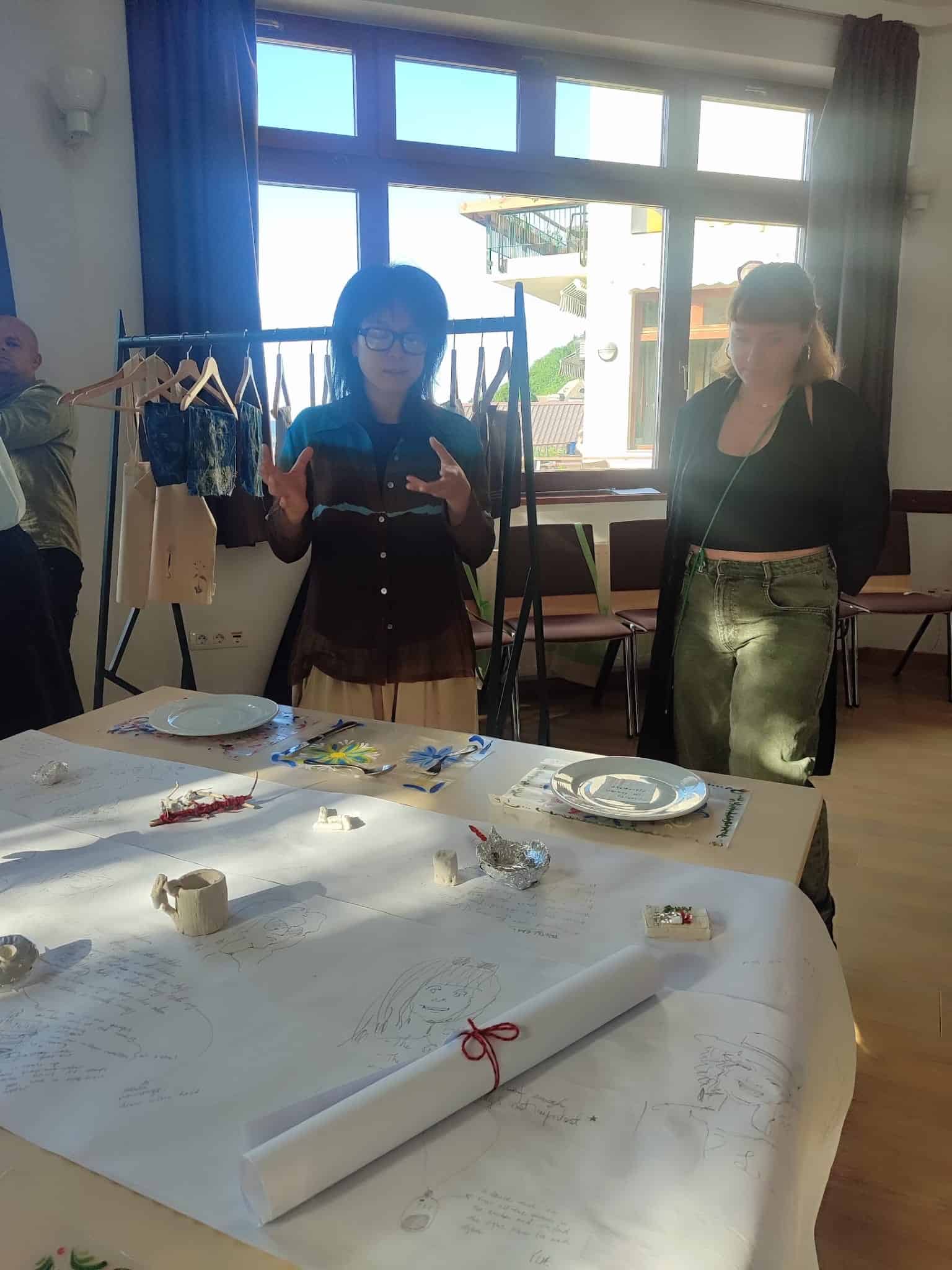
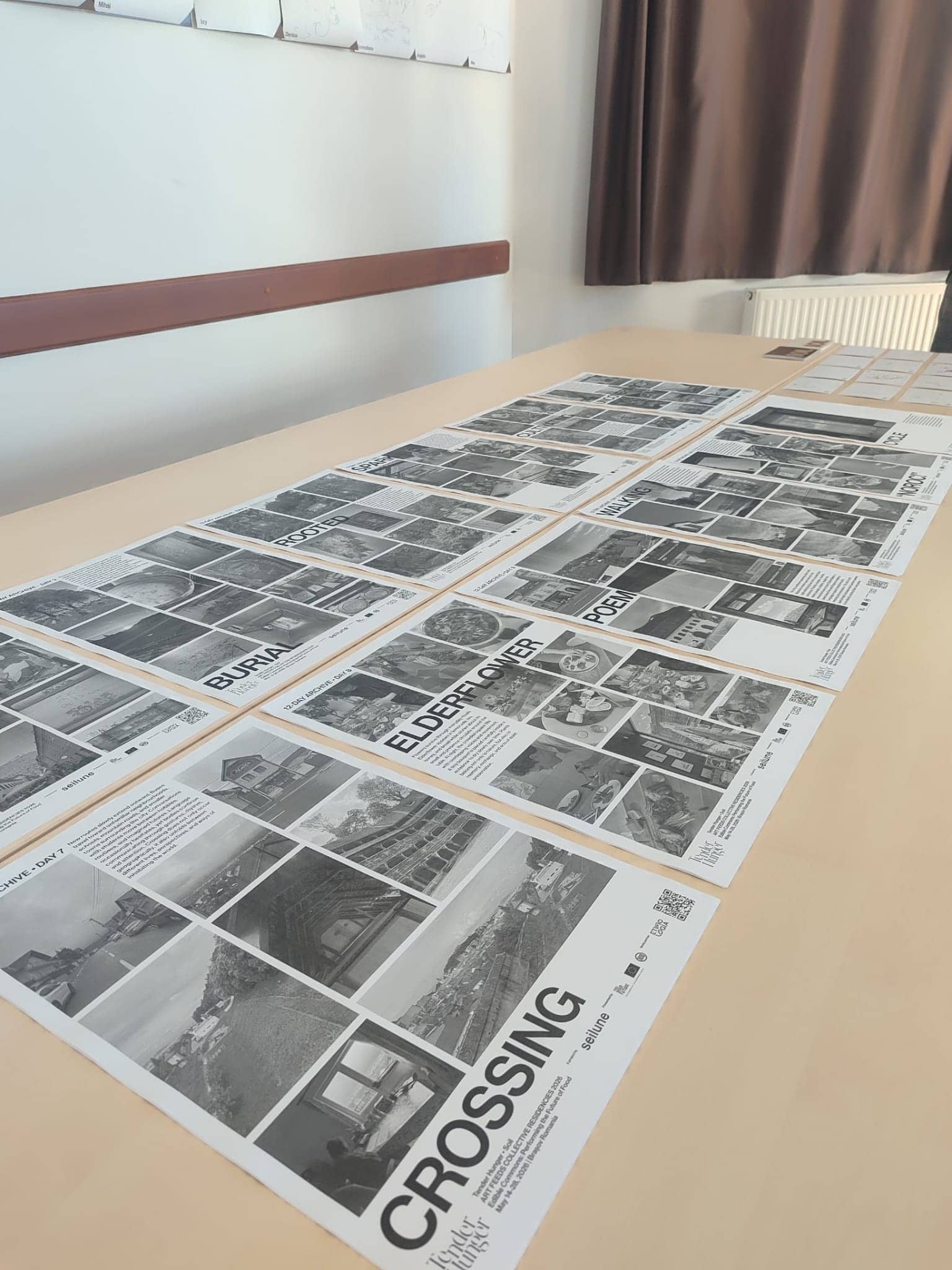
Exploring the theme “Tender Hunger”, Yue Liu’s performative work, inspired by the mountain landscape and local context of Brașov, combined an open dialogue with a collective archive documenting her experiences during the residency. The work culminated in a live performance accompanied by a soundscape created from recordings of local teenagers speaking from the perspective of the soil. Through this poetic approach, the artist invited the audience to reflect on the often-unseen connections between land, food, and human existence.
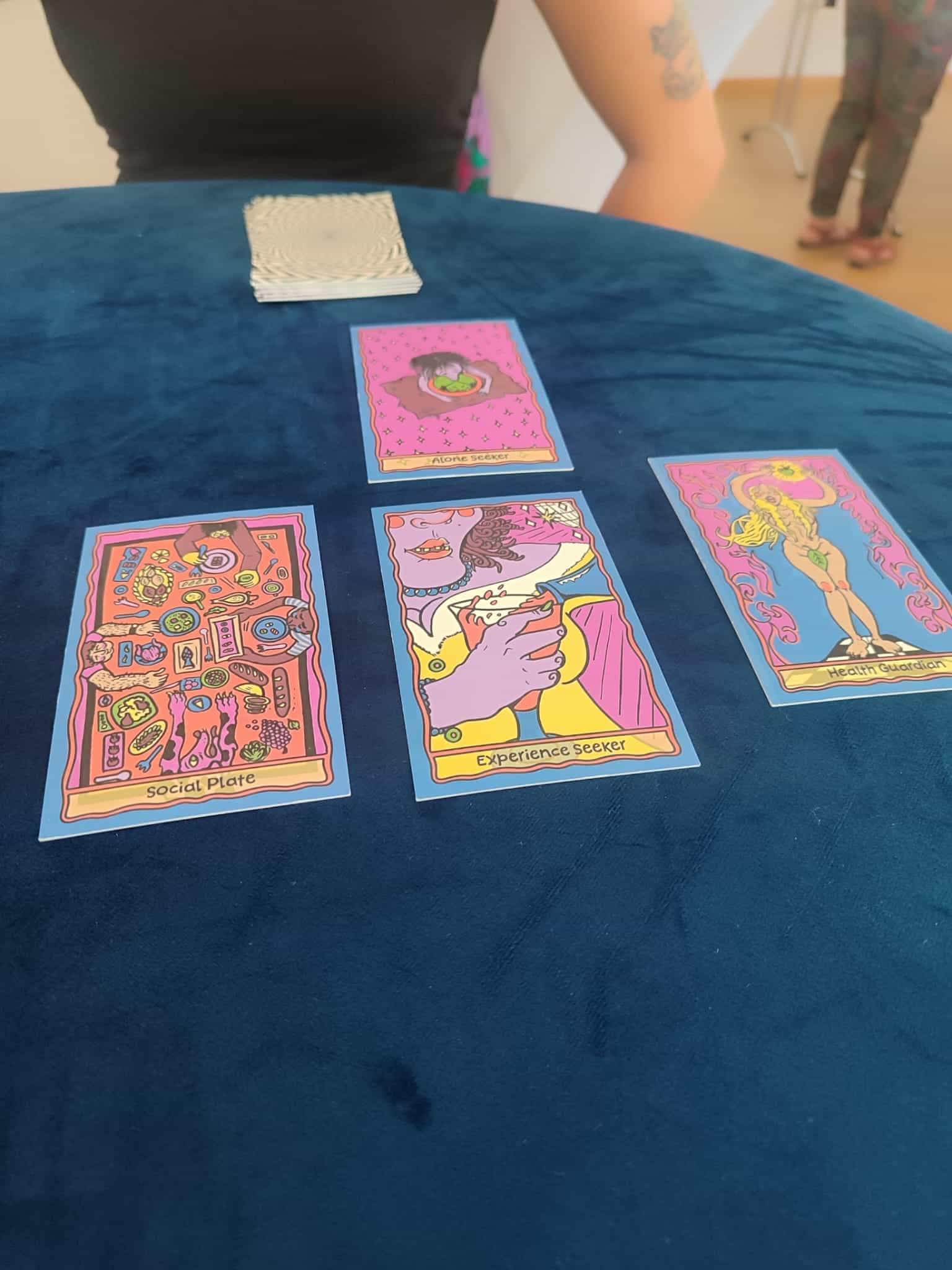
Cemre Kara introduced “Oracle of Food”, an intimate participatory experience based on her original oracle card deck. Through one-to-one reading sessions, participants were invited to explore their relationship with food, nourishment, emotions, cravings, and everyday eating practices. Combining elements of storytelling, intuition, and reflection, the work opened up new conversations about the personal and cultural dimensions of food.
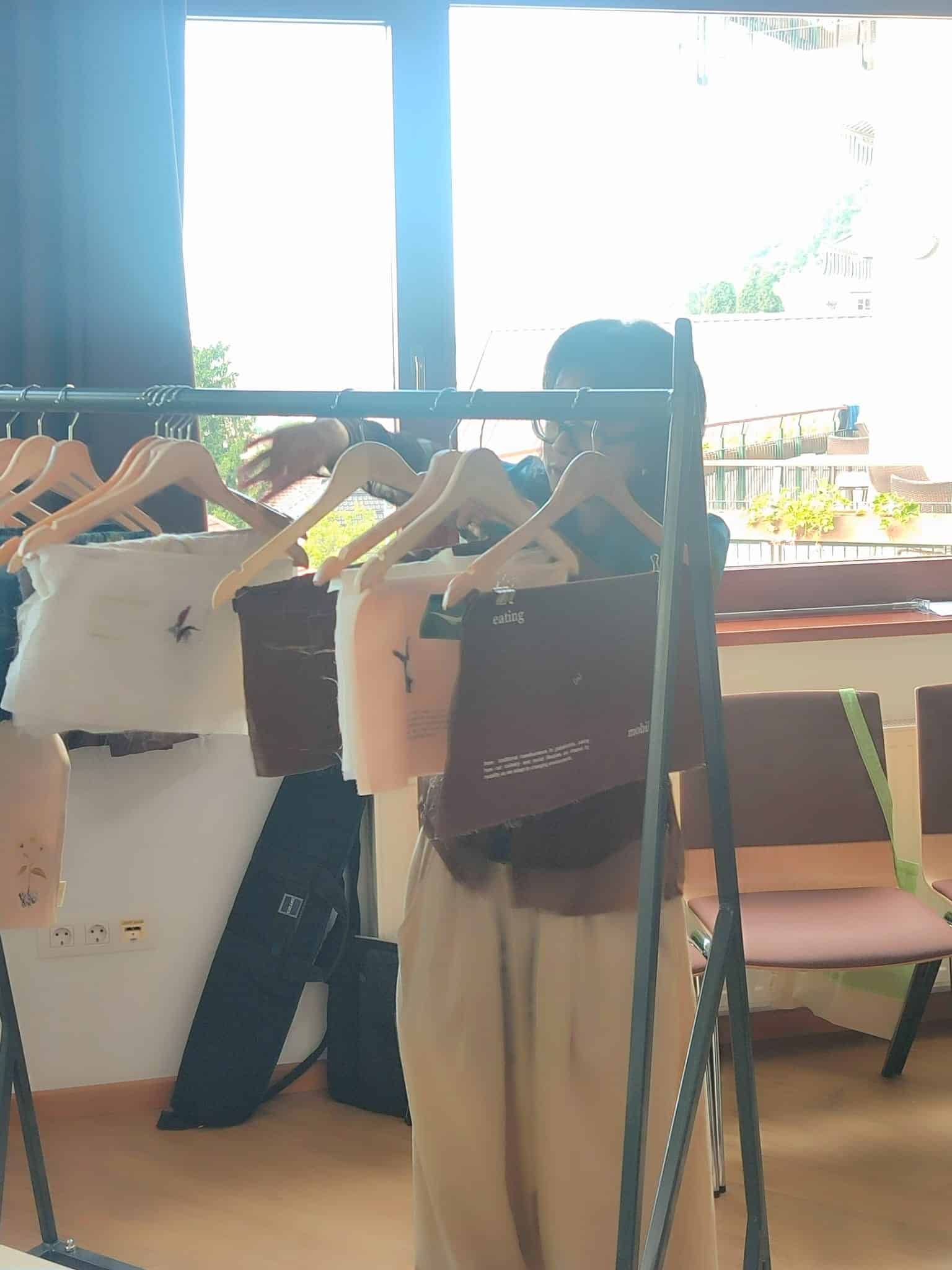
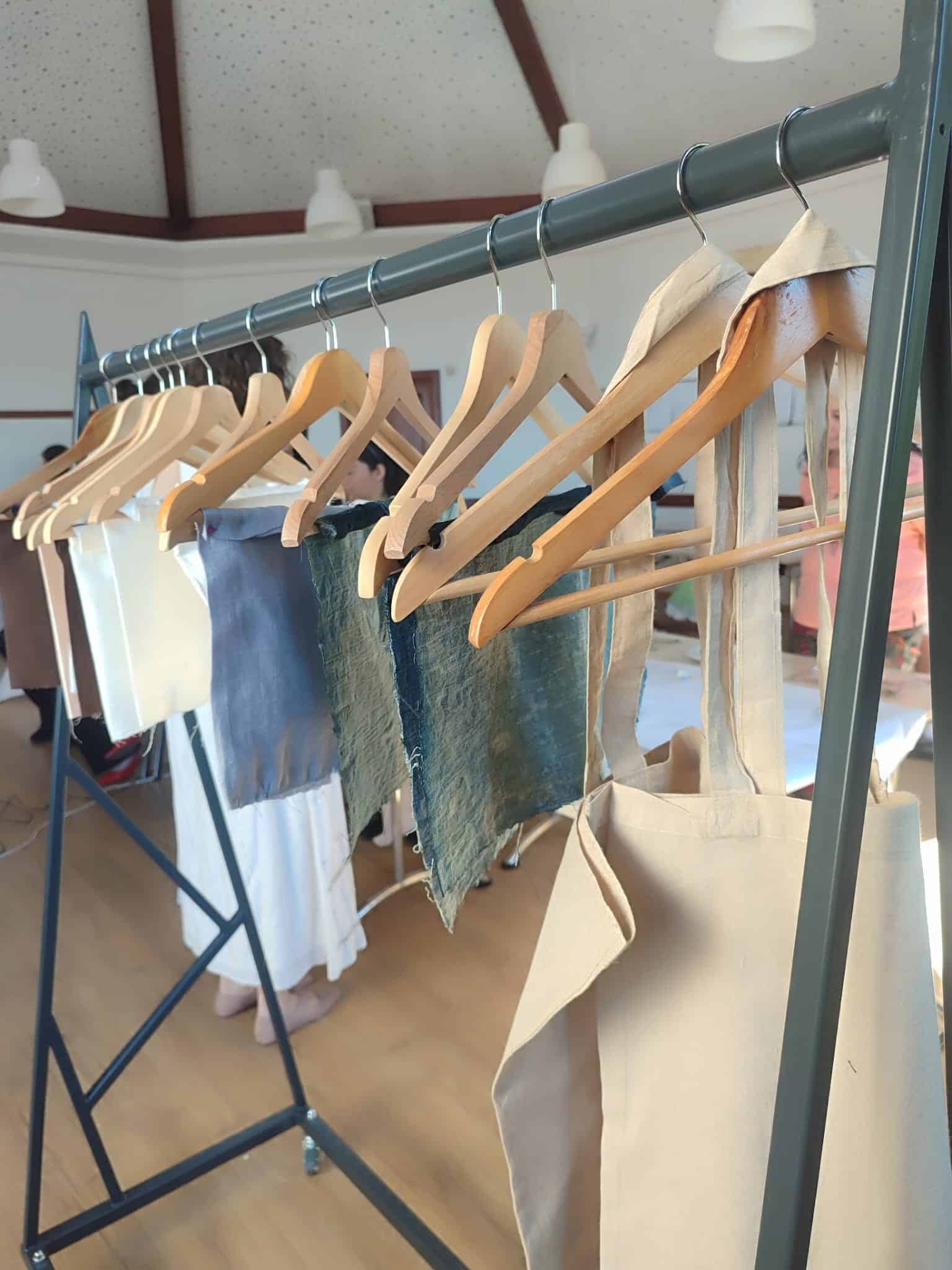
The collective Groundtable presented an interactive installation inviting visitors to create their own “pickle wish jar”, a visual and culinary recipe for the future shaped through vegetables, spices, and personal intentions. Inspired by traditional food preservation practices, the activity encouraged participants to reflect on care, sustainability, and collective futures. Alongside the installation, the collective showcased “Eating (i)n Mobility”, a textile food zine inspired by Romanian visual motifs and developed through textile experimentation, embroidery, and storytelling. The publication explored how migration, mobility, and changing environments influence food traditions, culinary identities, and social rituals across generations.
Looking Ahead
The Brașov residency demonstrated the potential of artistic practice to create meaningful conversations around food, sustainability, and community life.
By bringing together diverse perspectives and encouraging collaboration across sectors, the programme created opportunities for reflection, learning, and collective imagination.
More than a series of artistic activities, the residency became a platform for building connections: between people and places, between tradition and innovation, and between local experiences and broader conversations about the future of food.
The experiences, relationships, and ideas generated during these two weeks will continue to inspire future collaborations and contribute to ongoing discussions about how more sustainable, inclusive, and resilient food systems can be imagined and created.