Developed within the framework of the Feed Your Future project, the initiative was promoted by IED Barcelona, bringing its expertise in design education, prototyping, and international programme coordination.
Participants in the International Training Camp were selected through an open call adressed toyoung creatives, including designers, artisans, makers and professionals residing in project cities: Milan – Italy, Paphos – Cyprus, Lisbon – Portugal, Barcelona – Spain, Thessaloniki – Greece, Almere – the Netherlands, and Brasov – Romania. Applicants were invited to explore sustainable product innovation for the food and beverage sectors.
Launched in June 2025, the initiative culminated in an educational training, with the final outcomes presented at international events and exhibition between January and March 2026.
A five-stage educational journey
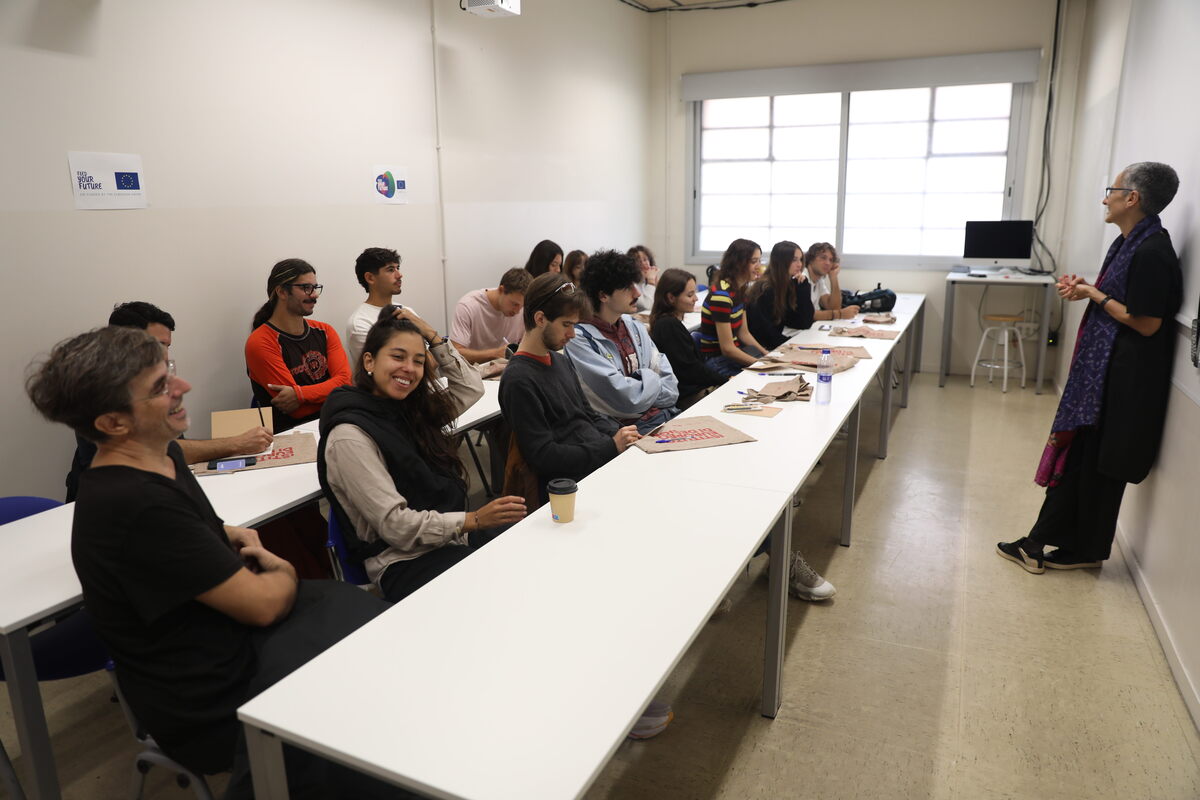
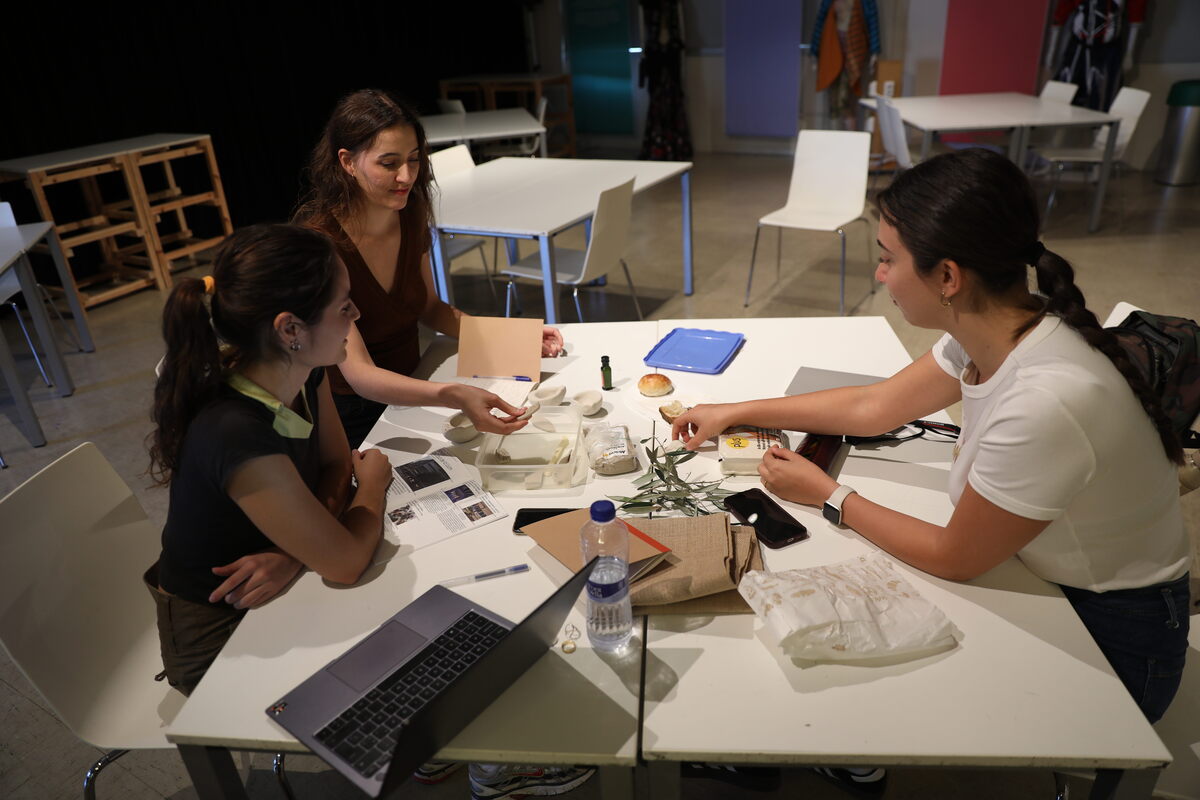
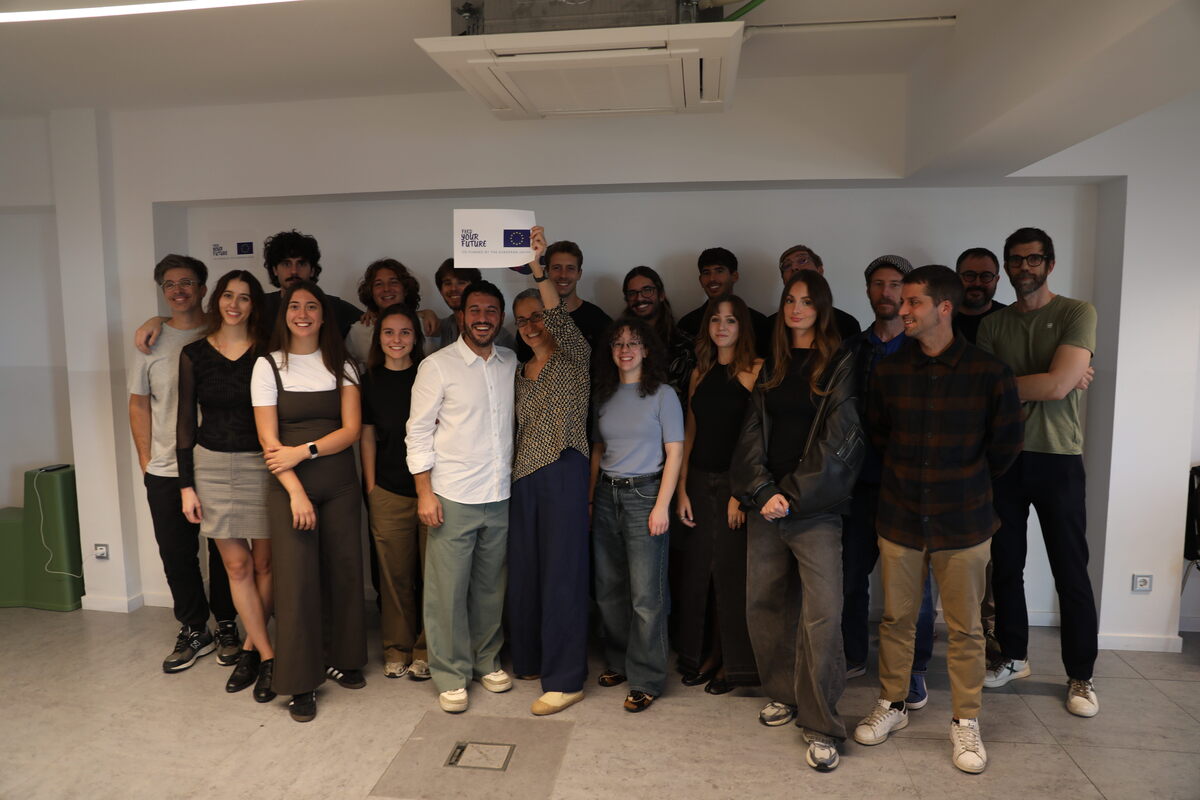
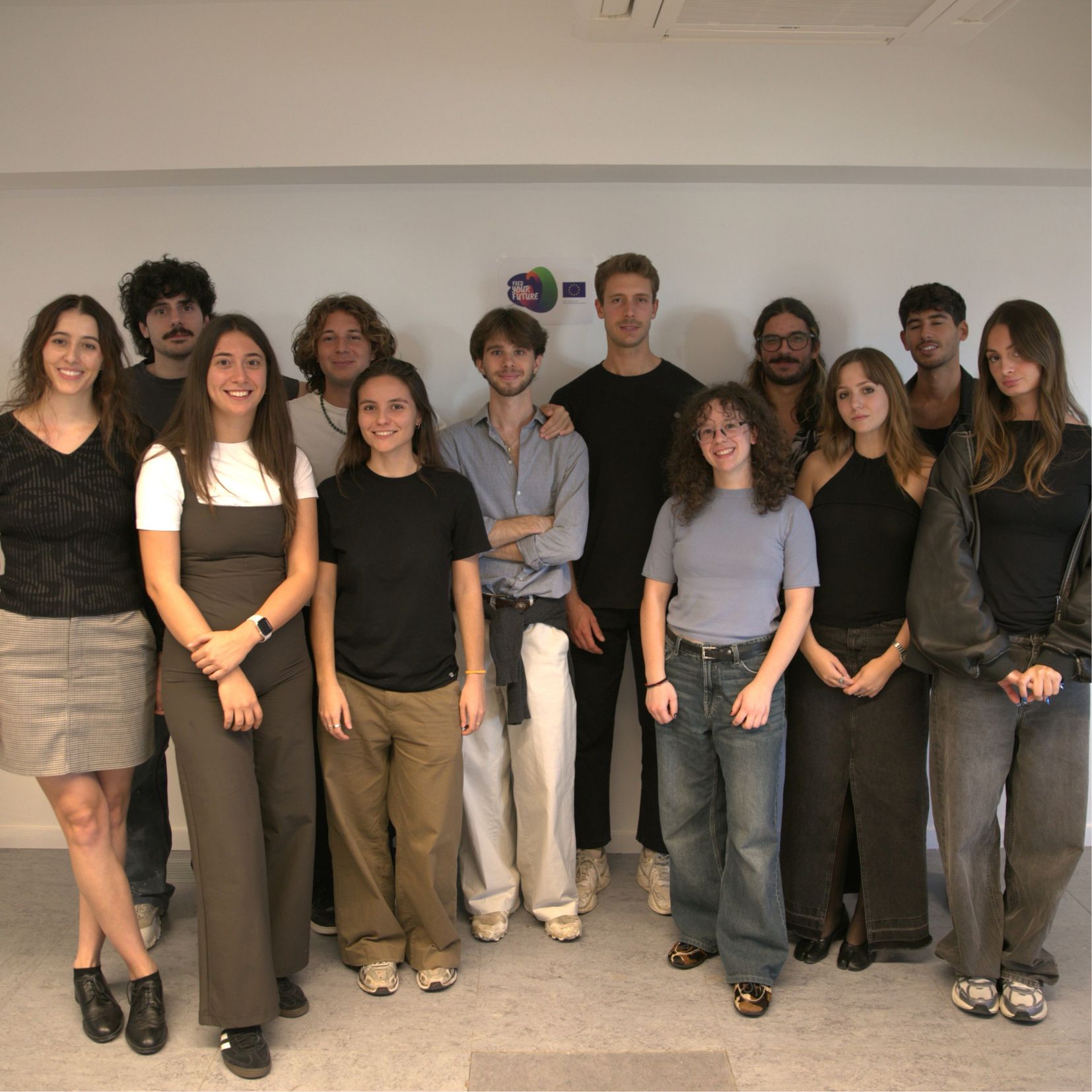
The Training programme was structured as a five-stage educational journey taking place between September and October 2025, consisting of 40 hours of online activities and 20 hours of in-person workshops at IED Barcelona. The activities combined theoretical modules, hands-on sessions, and collaborative reviews, encouraging experimentation and peer learning, while giving participants the opportunity to move from idea development to product prototyping.
In the first phase, 11 project ideas were submitted and evaluated to select participants for the Training Camp. The applications addressed a wide range of topics related to sustainable food systems, including urban micro-farming solutions, circular product systems, food waste reduction tools, experiential installations, and communication-driven awareness campaigns.
Of the eleven proposals received, seven were selected to move forward to the next stage.
The selected participants then entered the second phase of the programme, consisting of a Bootcamp, a Hackathon, and a series of Project Review Sessions.
Initially, a two-day Bootcamp gave participants the opportunity to present the submitted ideas and build potential project synergies, forming clusters aligned in terms of project goals and capable of supporting each other. Then, during a Hackathon, participants advanced their concept, testing and refining their ideas through structured teamwork and mentoring. Finally, four remote Project Review Sessions helped the teams further develop their proposal and prepare for the prototyping phase.
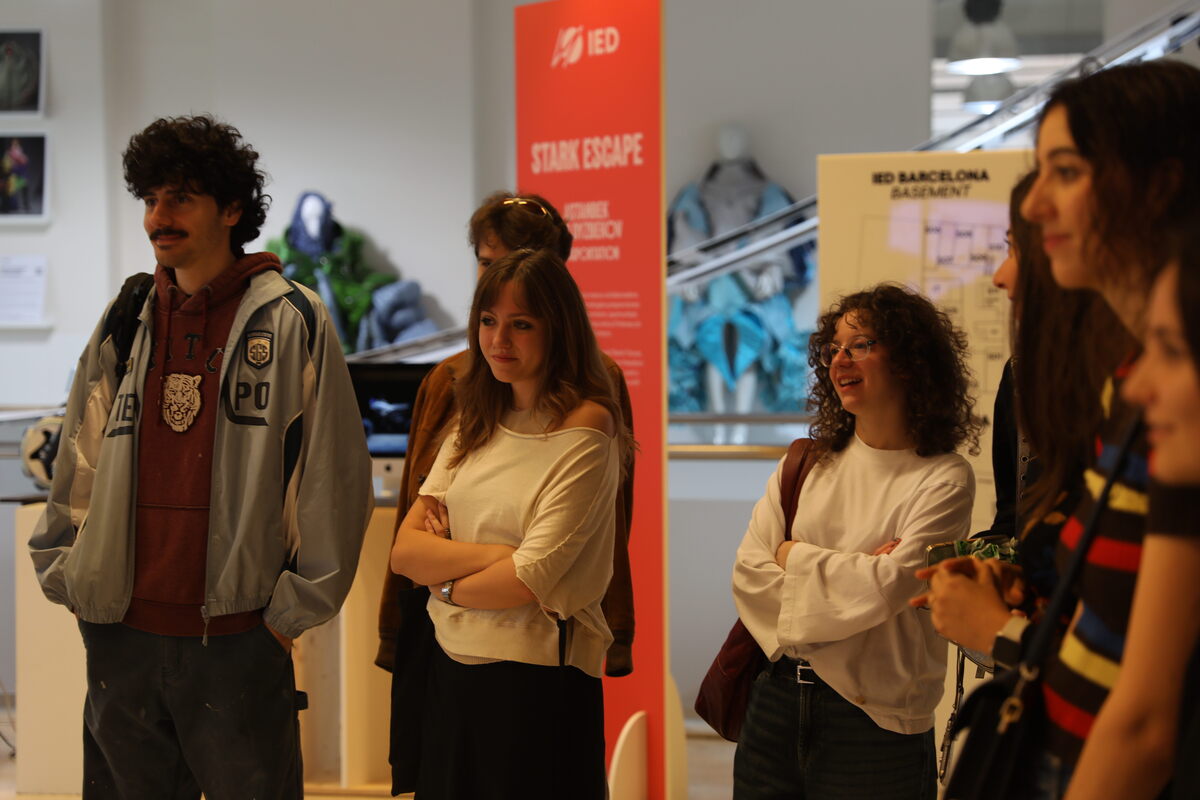
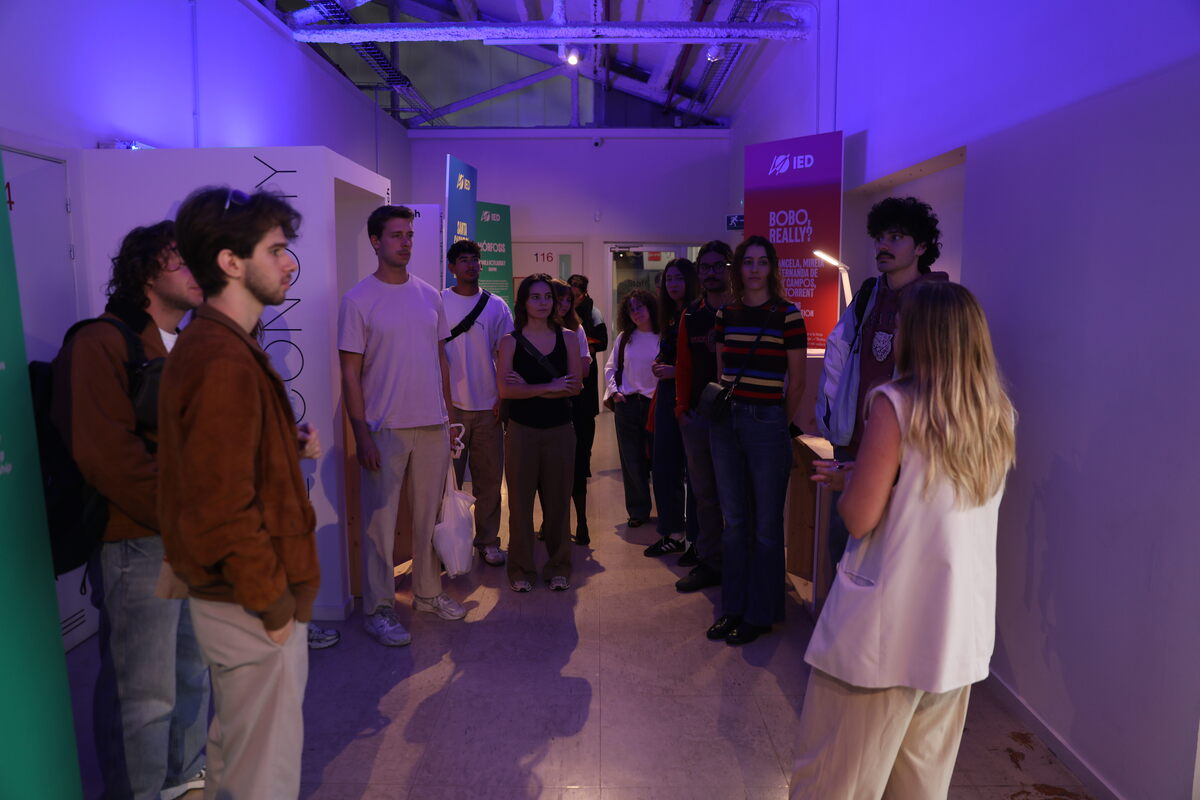
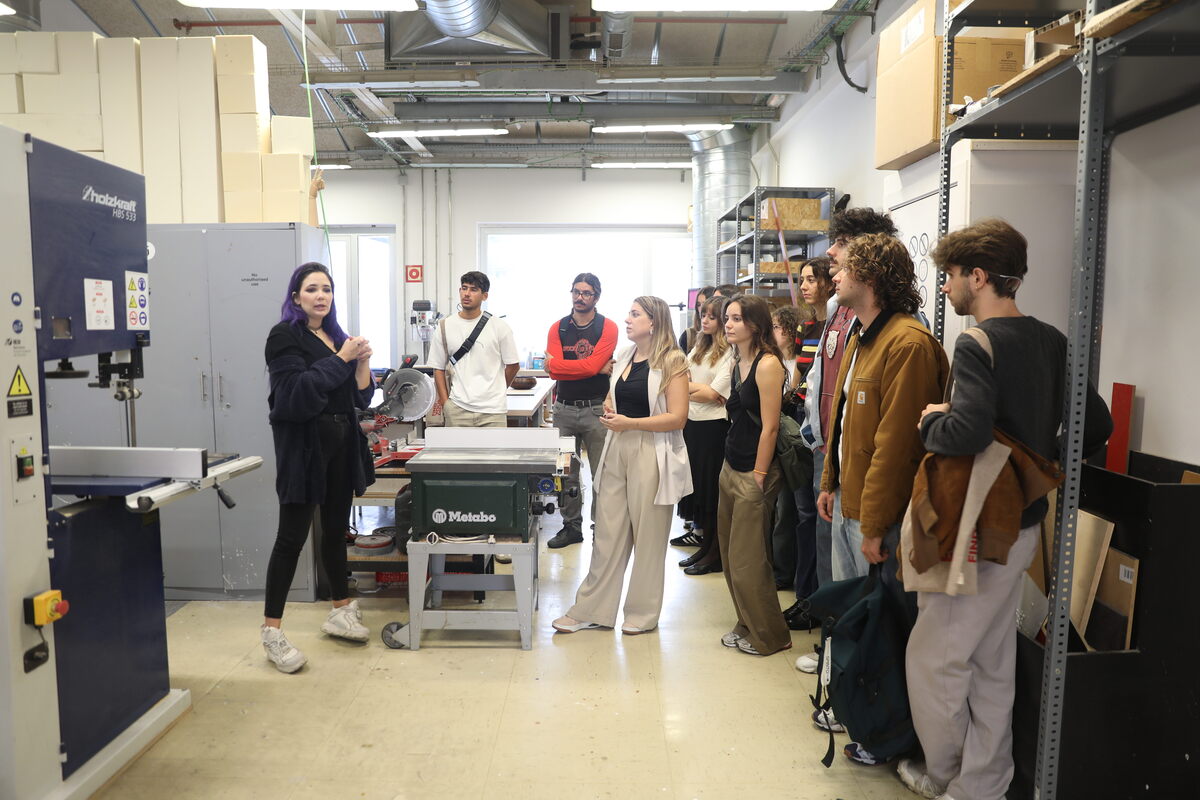
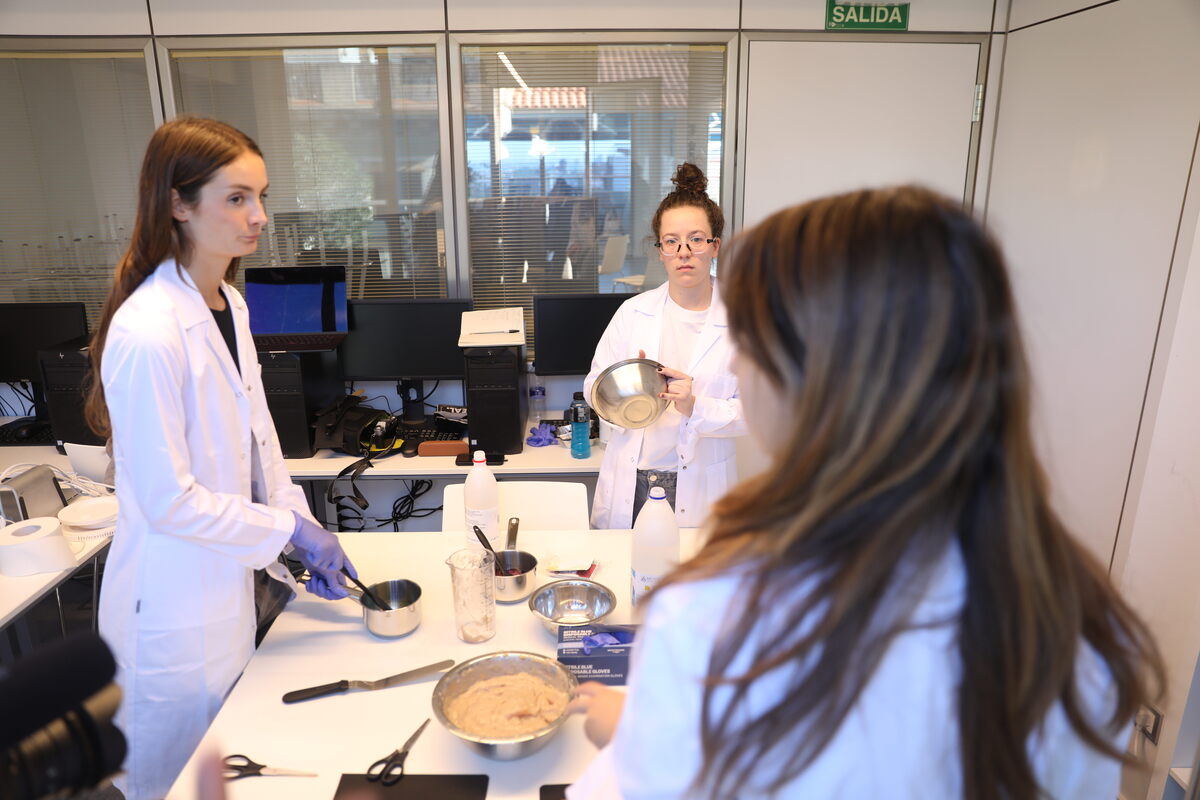
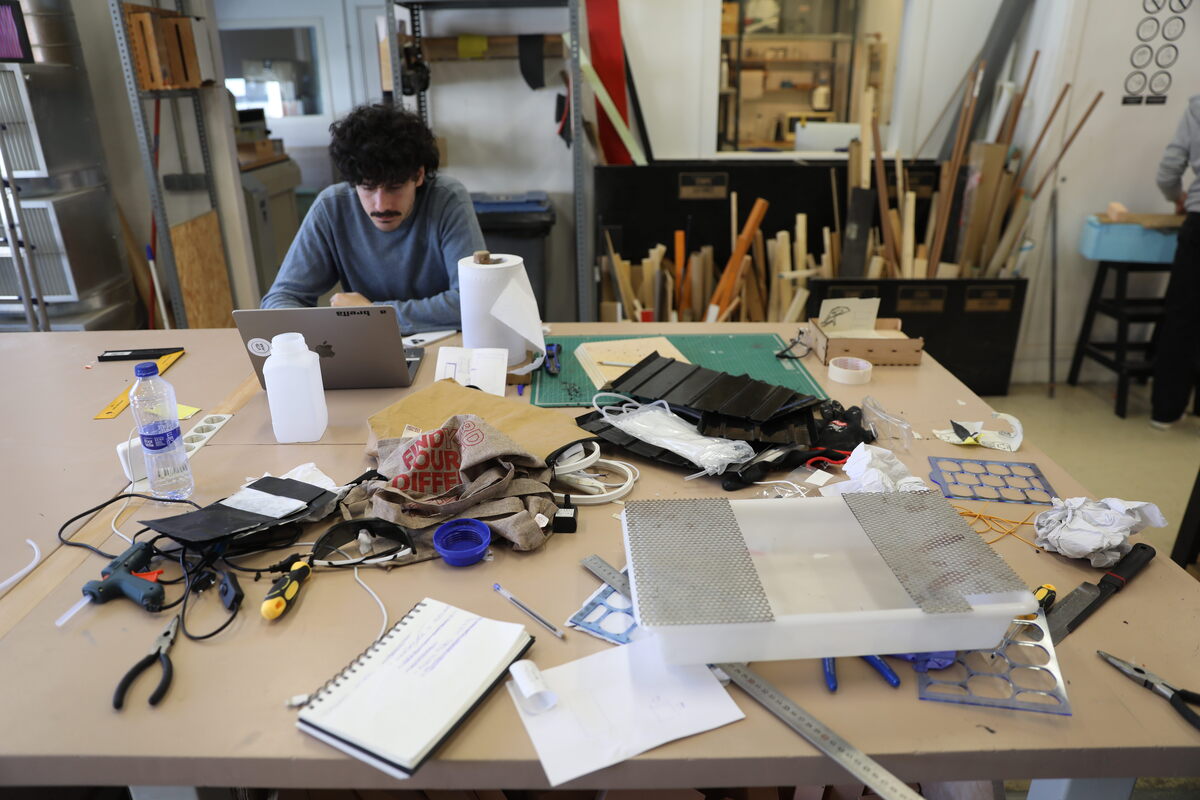
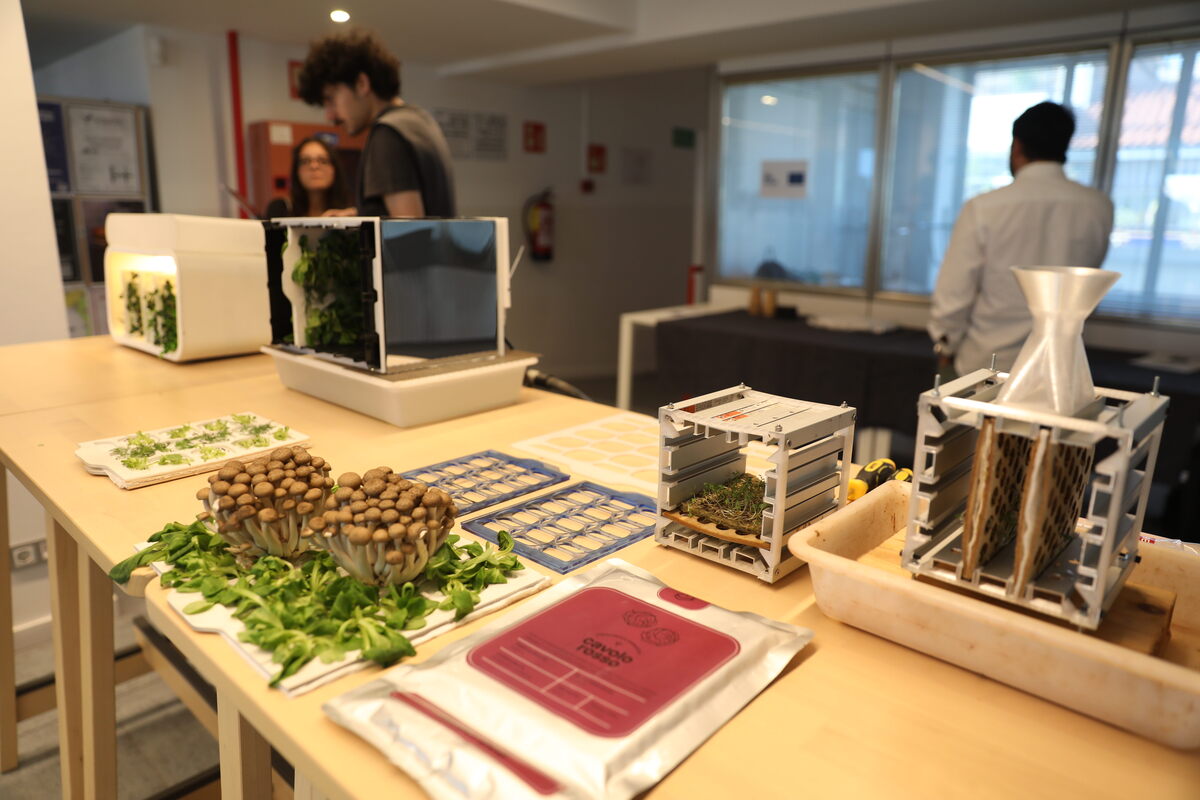
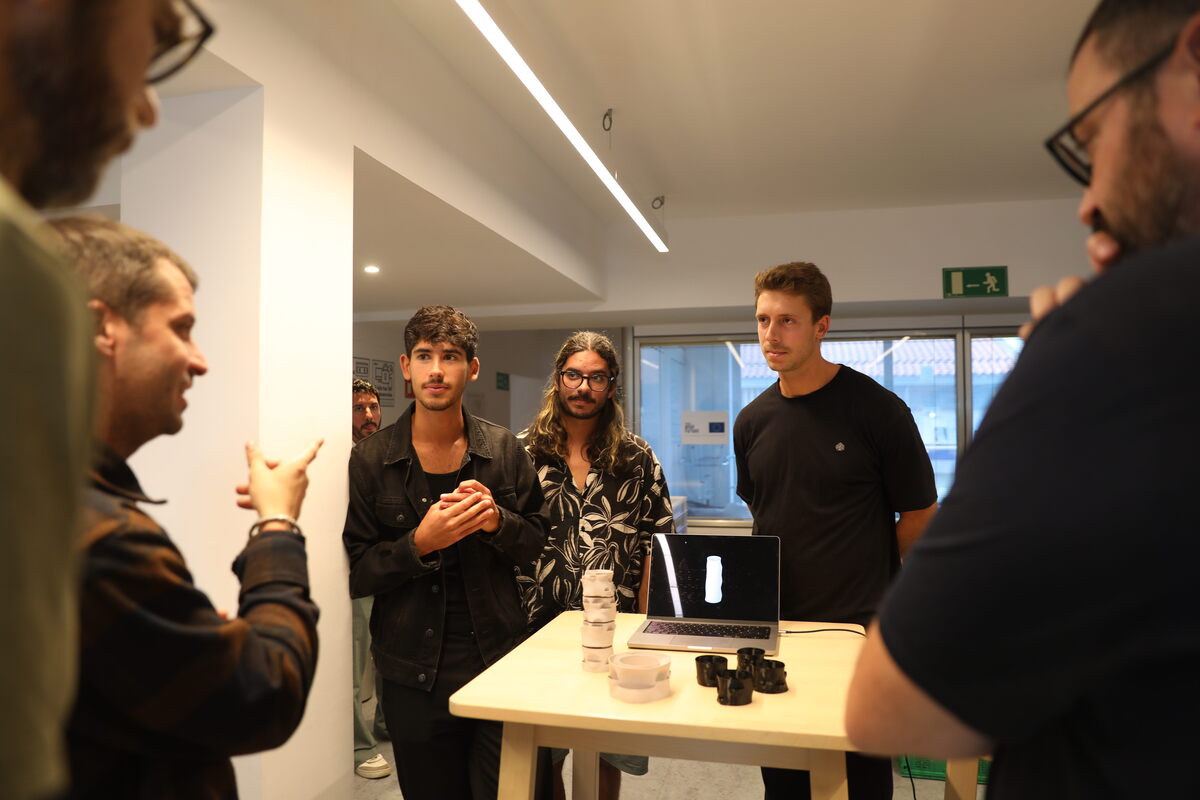
The third stage of the Training Camp was fully dedicated to hands-on prototyping and concept refinement, and it took place at IED Barcelona from 20 to 24 October 2025. Participants worked in the IED’s modelling lab, where they accessed technical resources and mentorship to turn their product ideas into physical prototypes.
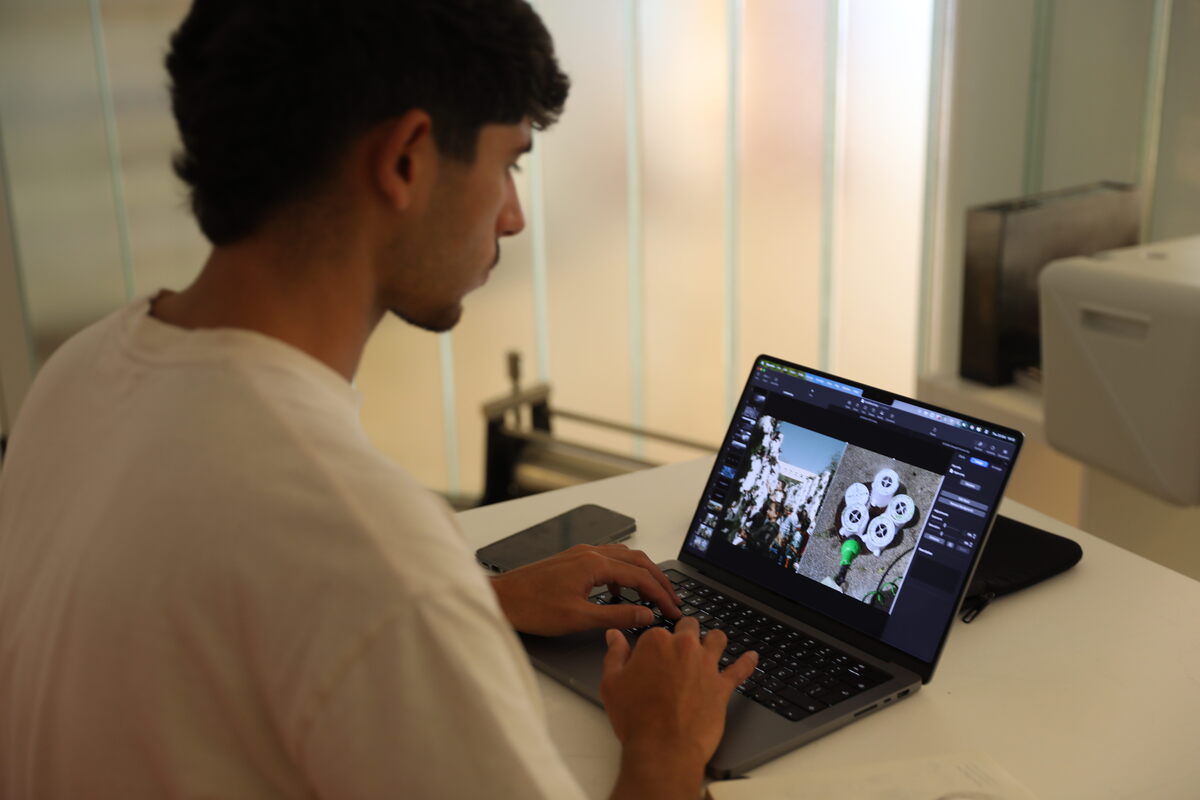
The fourth phase, running from November to mid-January 2026,aimed to bring each concept closer to commercial readiness. Paticipants received guidance on crafting effective elevator pitches and developing communication materials, including visuals, storytelling, and presentation strategies.
This phase culminated in January 2026 with a public presentation of projects developed during the Training Camp. All participating teams showcased their final projects, illustrating their journey from research and concept development to product realization. On this occasion, a jury selected the winning projects and awarded monetary prizes to support their further development and visibility.
The winning projects also had the opportunity to be exhibited in major design and innovation events, including “Gendler Future” (Lisbon, 5-6 June 2026) and “EXPO Ateneo de Fabricación de Gracia ” (18-22 May 2026). This final stage consolidates the entire Training Camp experience, transforming educational output into professional opportunities and meaningful public engagement on an international scale.
Meet the Winning Projects
At the end of the programme, the jury selected the winning projects, with two projects jointly awarded third place, and granted a special mention for social impact.
The first- and second-prize winners received development grants of €3,000 and €1,500, respectively, while two projects shared third place, each receiving a €750 development grant.
The grants are intended to support the teams in developing their projects further, with a focus on communication, dissemination, visibility, and promotion, as well as participation in professional fairs and exhibitions.
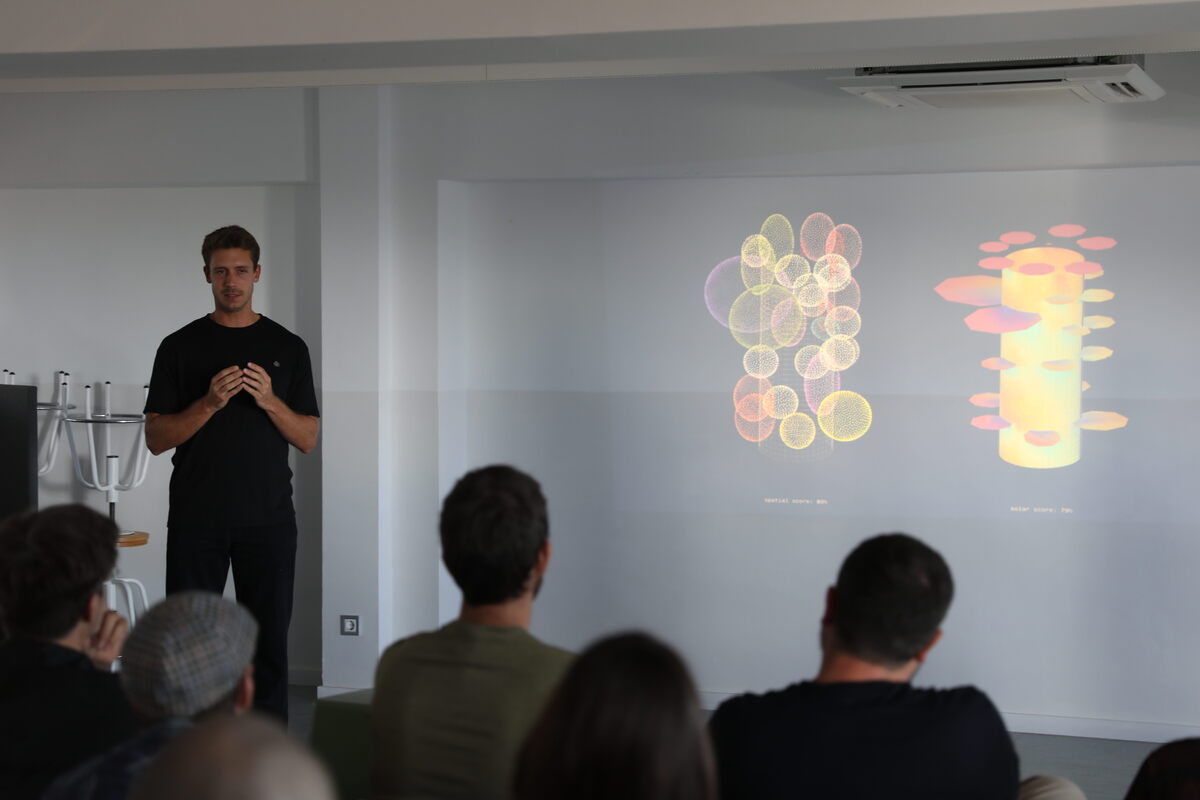
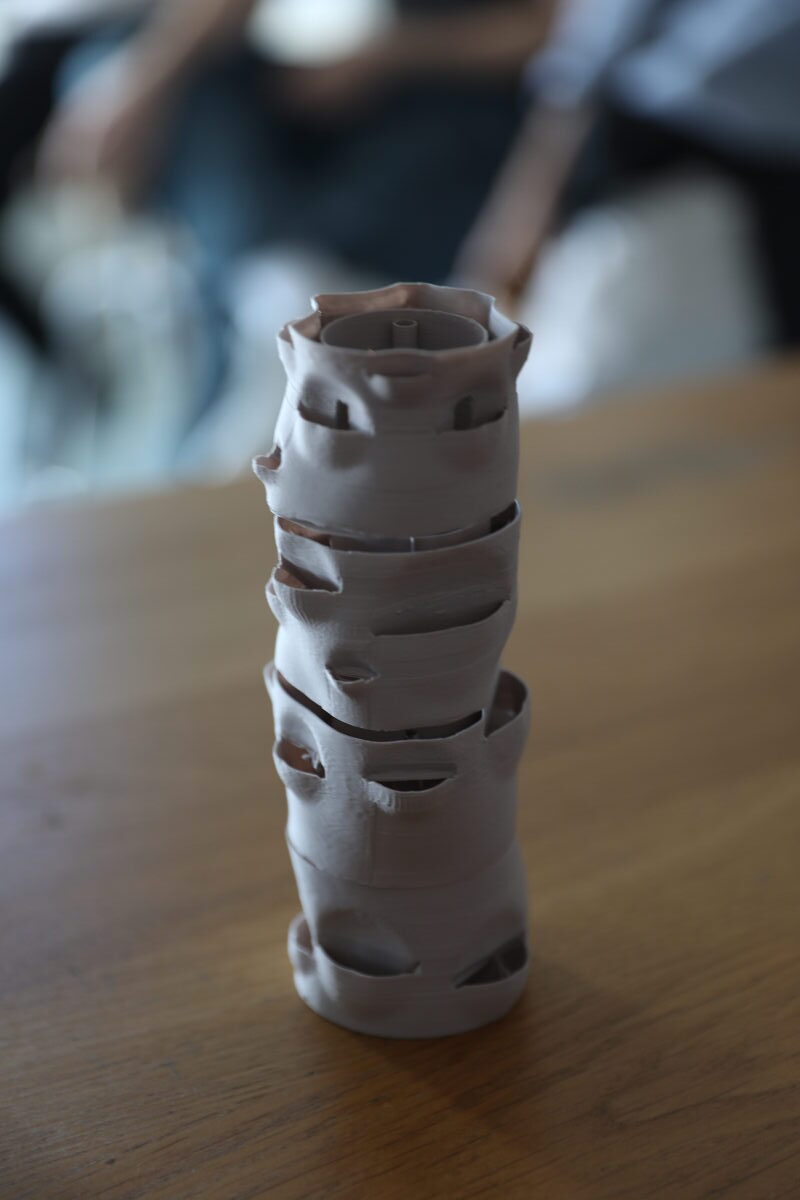
The first prize was awarded to “Living Layers”, developed by André Duarte Teixeira Trindade (Portugal), Laszlo Cseresznyés (Hungary) and De Matos Nunes Seatra Tomas Maria (Portugal).
The project reimagines urban farming as a symbiotic, low-tech system integrated into the ecological fabric of the city. Through 3D-printed bioreceptive structures made from natural materials, Living Layers combines food production, biodiversity, and climate resilience, all within compact urban settings. The project stands out for its innovative approach to human-nature interaction, redefining the role of plants not only as decorative or edible elements but as co-creators of meaningful spaces. By combining open-source systems, participatory planning, and ecological awareness, Living Layers proposes a service-driven product that enables users to shape their own green environments.
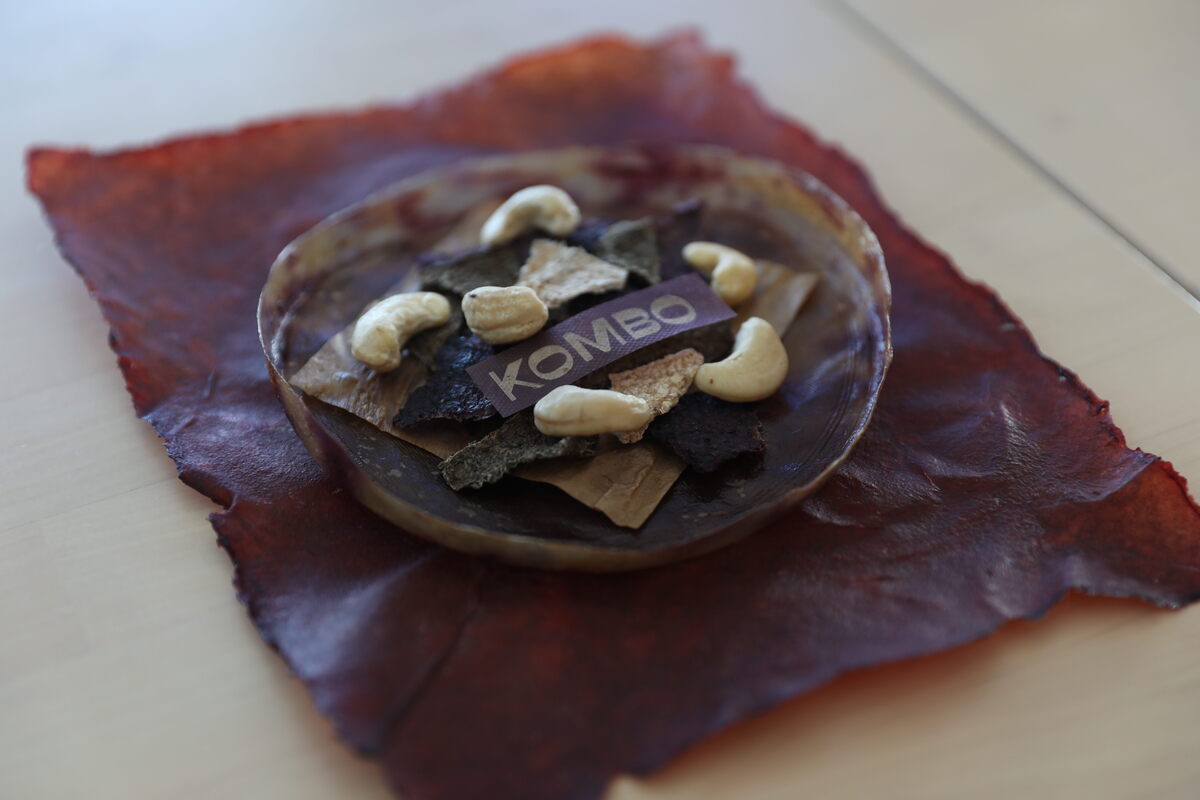
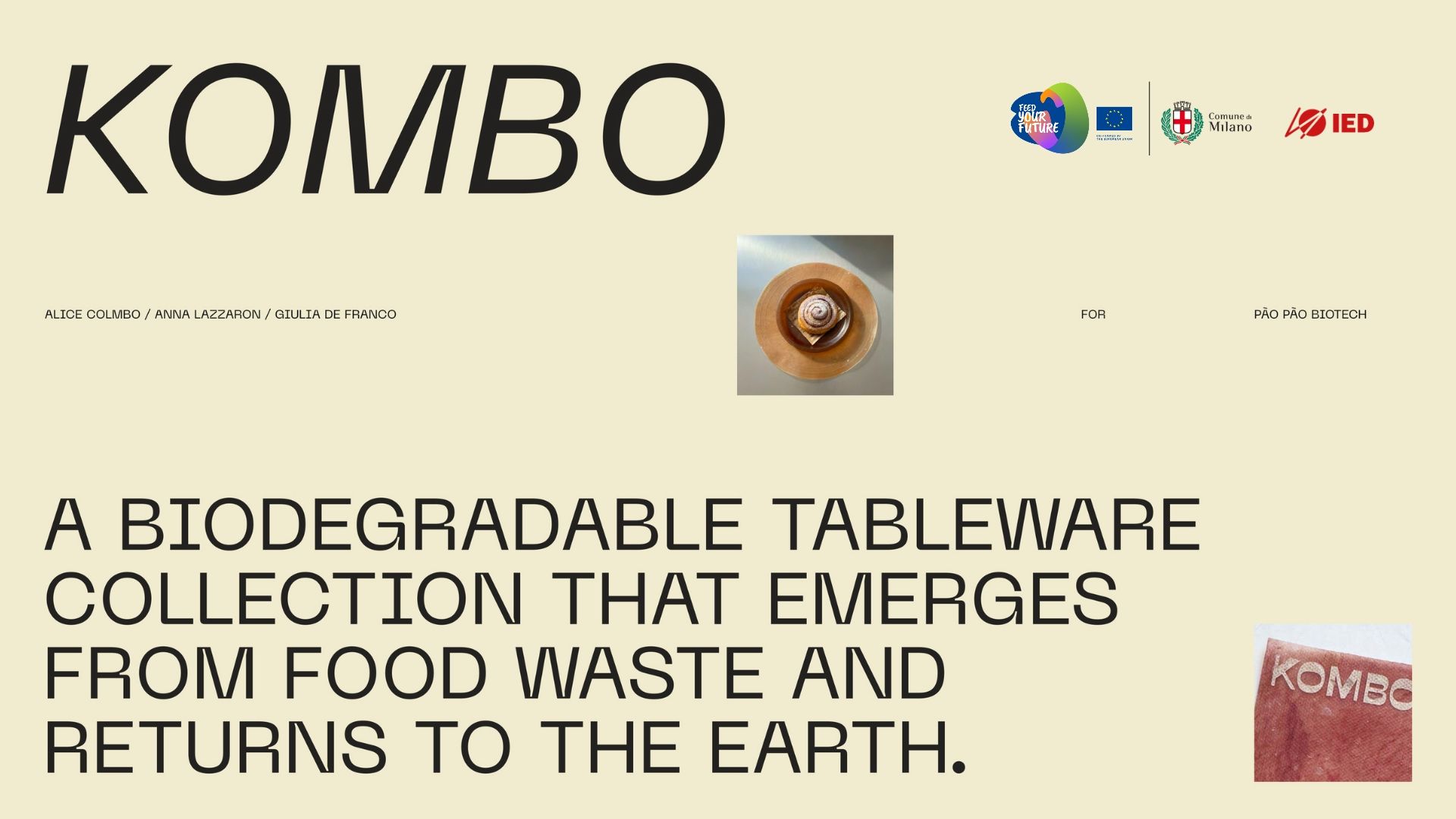
Created by Lazzaron Anna, Colombo Alice and De Franco Giulia (Italy), “Kombo” received the second prize.
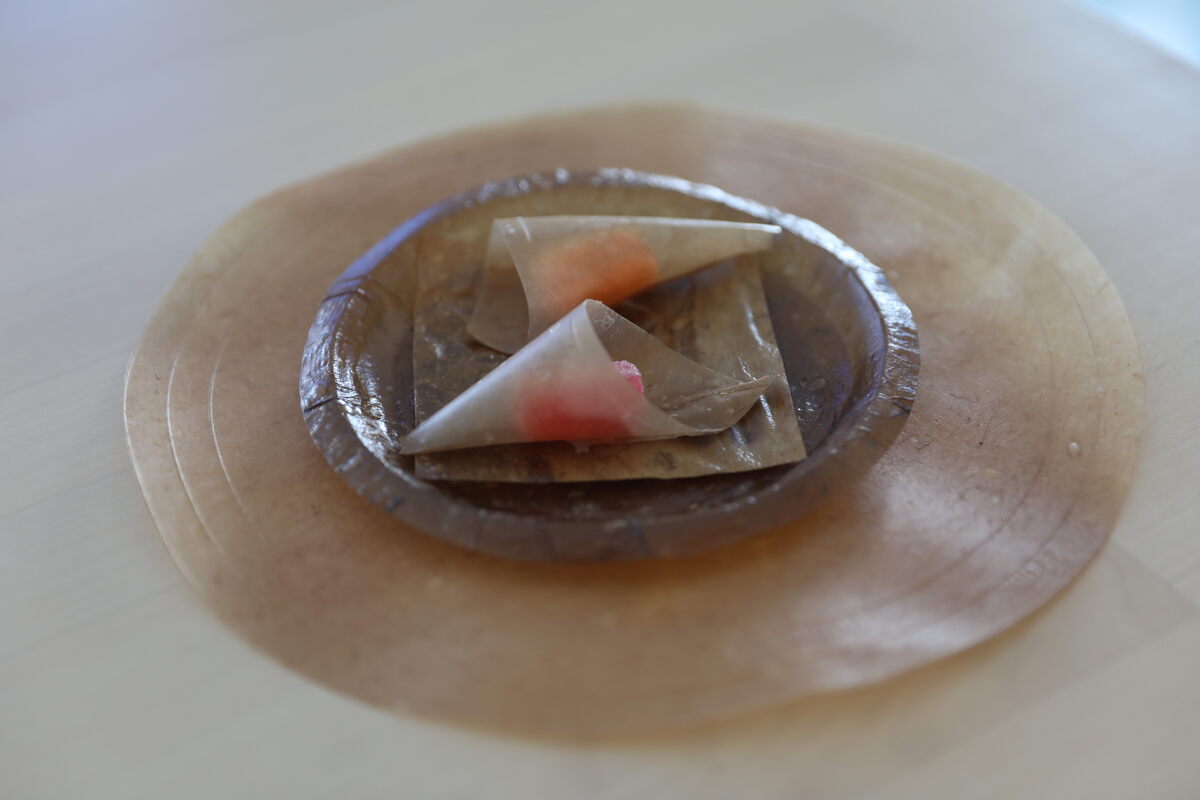
Kombo is a collection of biodegradable tableware created from the by-products of Kombucha fermentation. The project explores the potential of SCOBY, a symbiotic culture of bacteria and yeast that generates microbial cellulose during fermentation, as a living material for sustainable product design. The project offers a pragmatic and potentially impactful solution for the food takeaway sector, combining sustainability, user experience and material innovation. The project reimagines fermentation waste as a design resource, creating objects that originatefrom food production processes and eventually return to the natural environment.
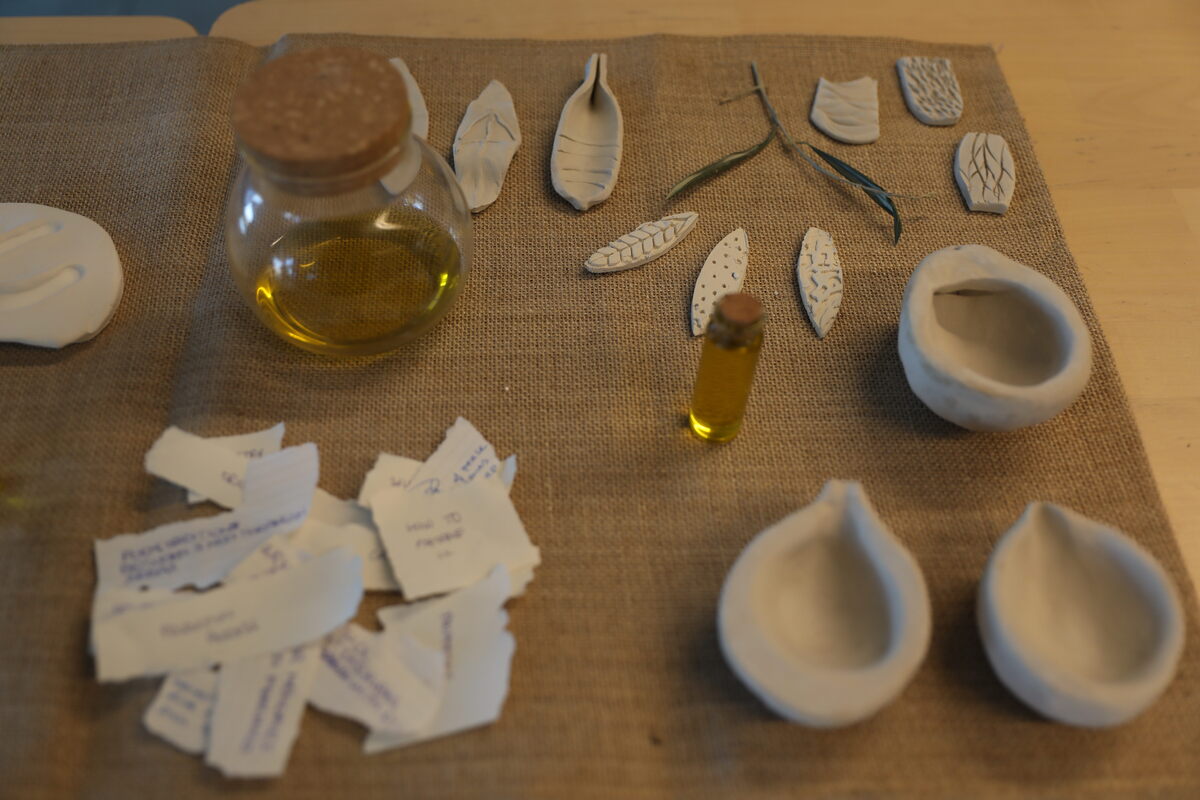
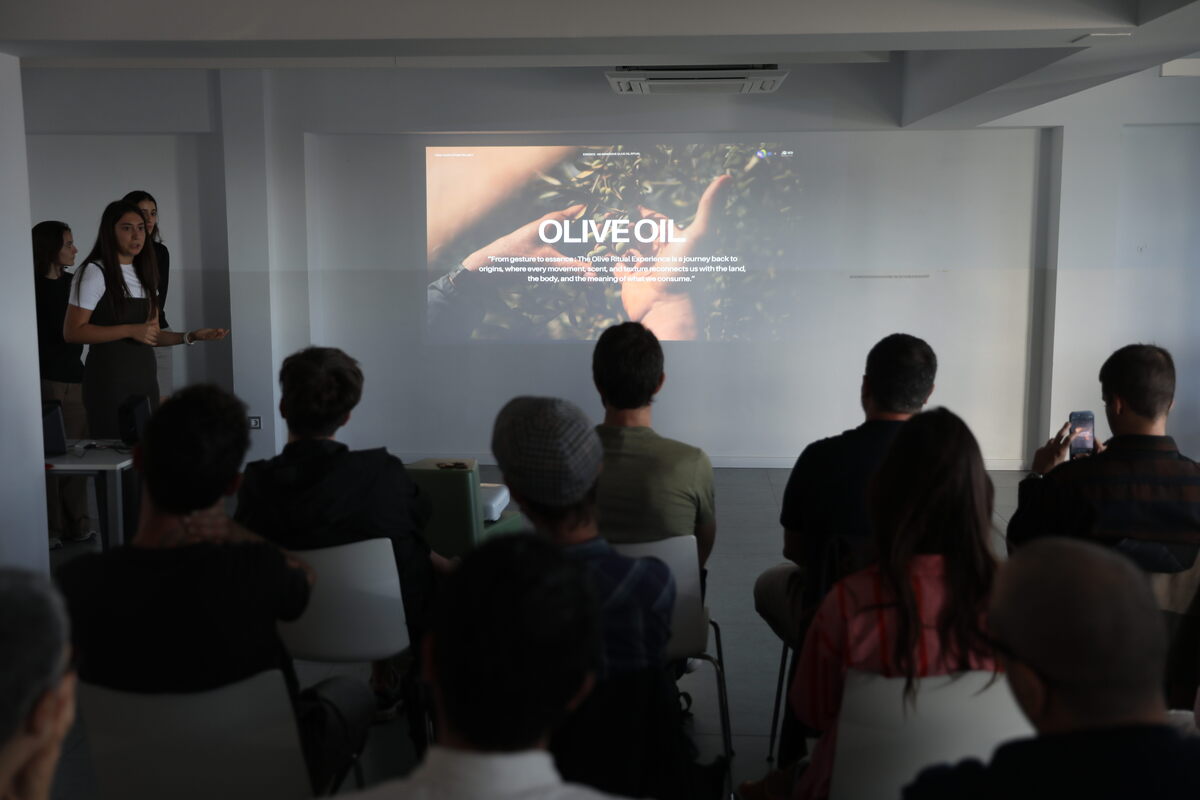
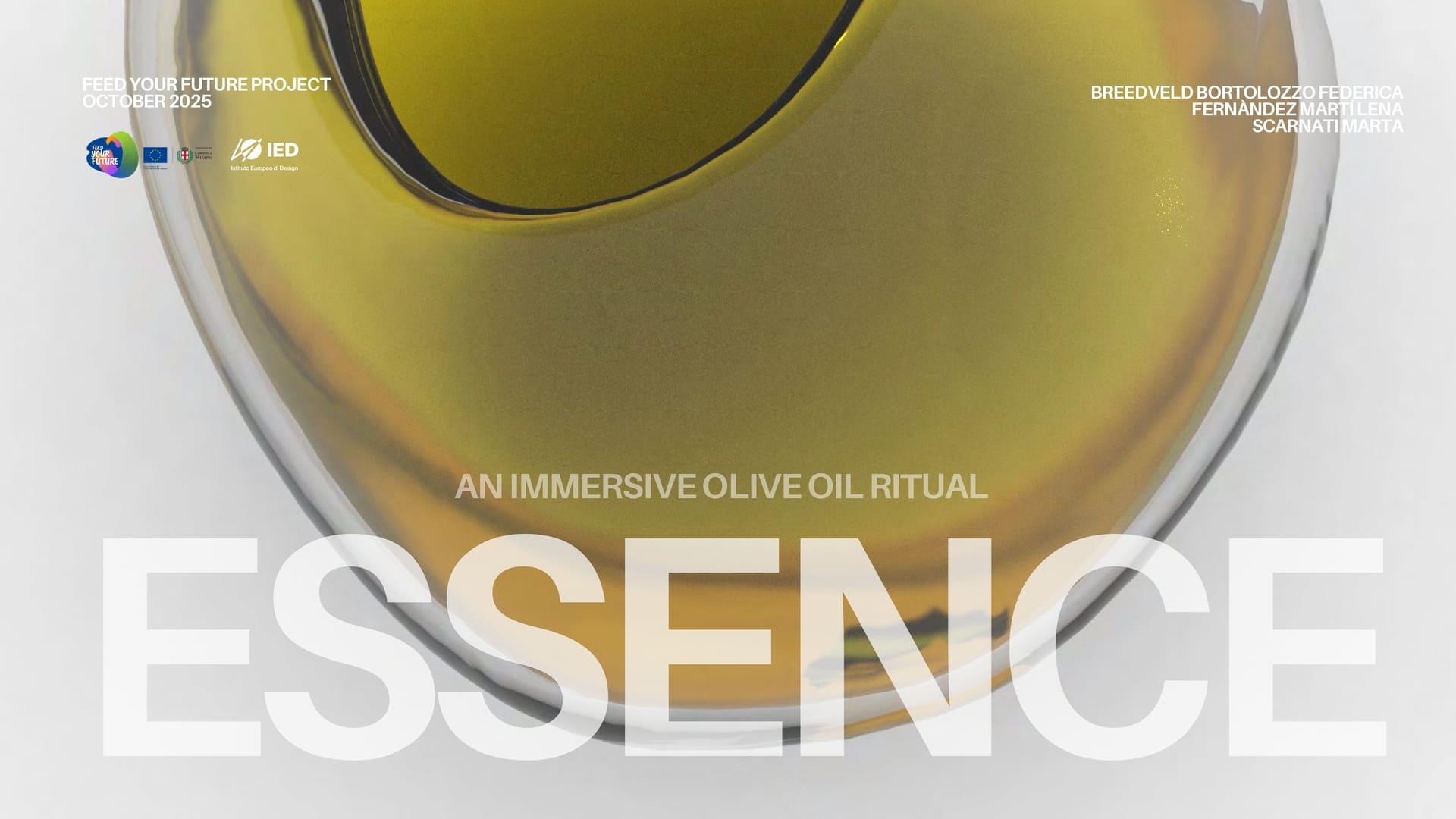
The third prize was awarded to “Essence: an immersive oil ritual” by Breedveld Bortolozzo Federica, Scarnati Martina and Fernandez Marti Lena (Italy).
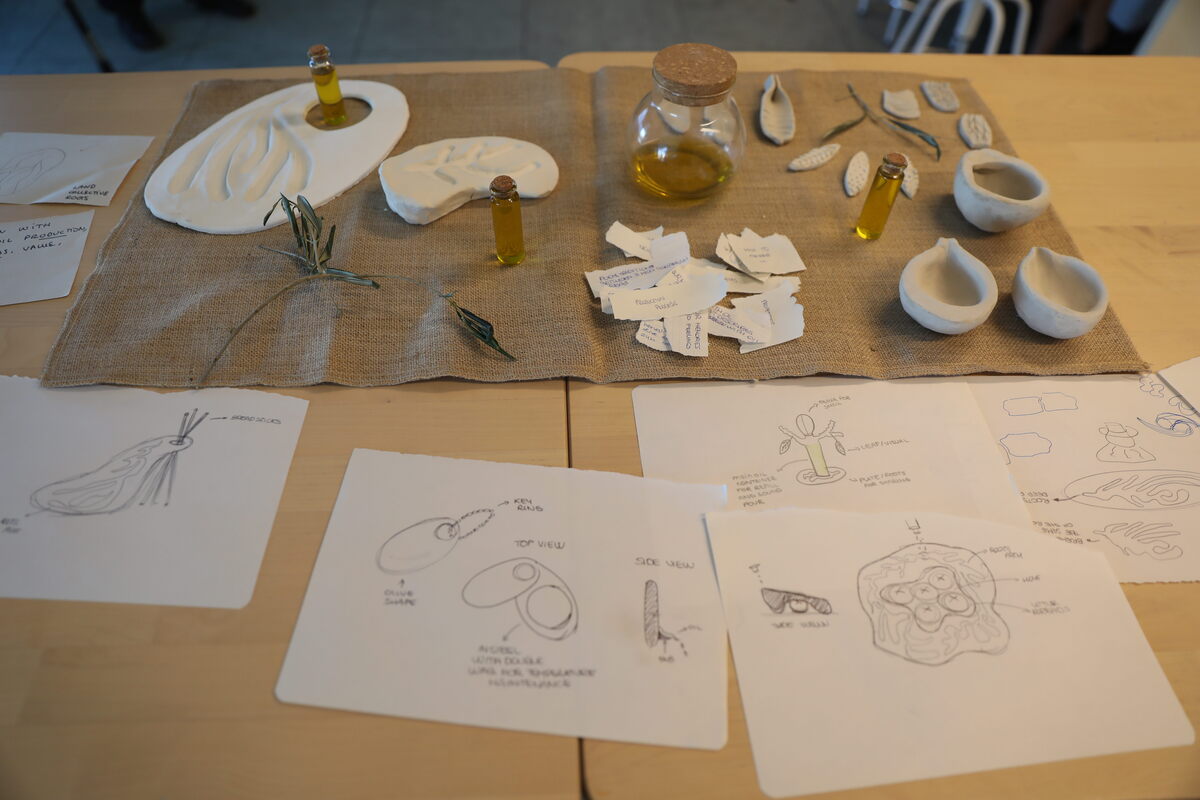
Essence is a multisensory ritual that reimagines olive oil tasting, transforming it into a slow and reflective experience that reconnects participants with the cultural, environmental, and human dimensions behind this fundamental Mediterranean product. It invites users to rediscover olive oil as a living material shaped by time, craftsmanship, and landscape.
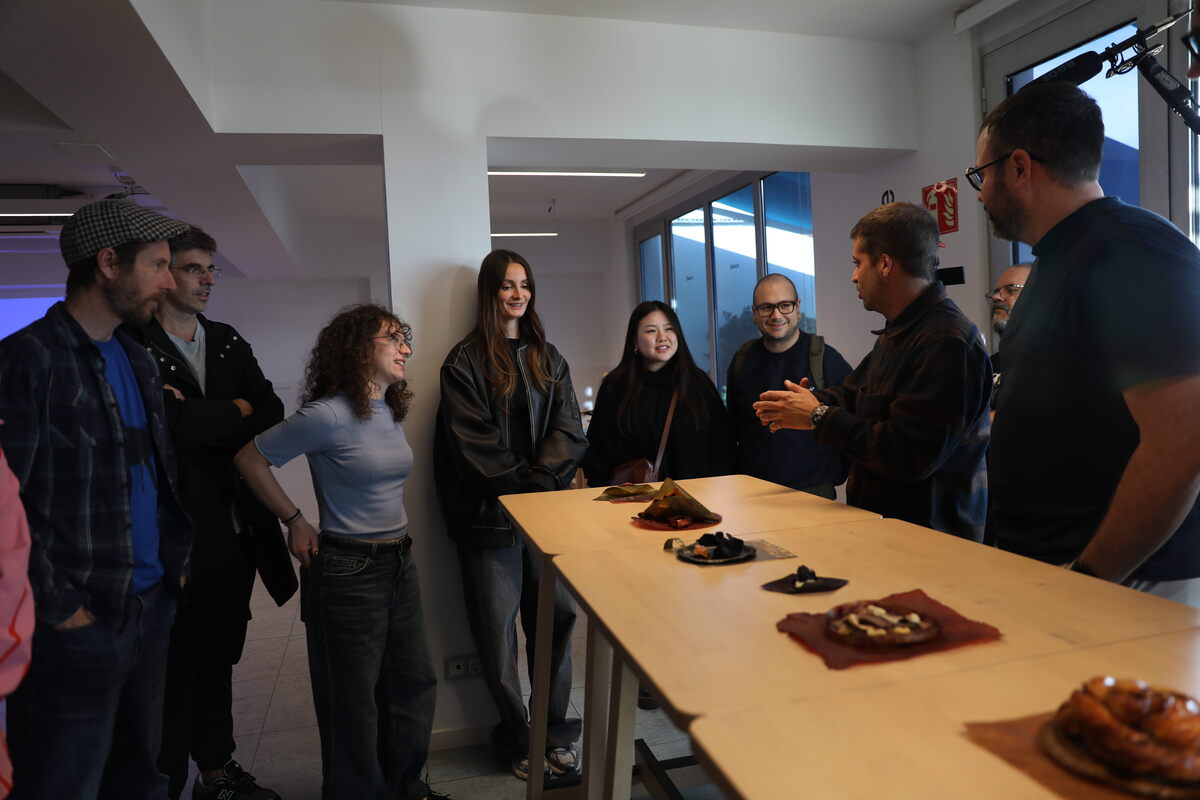
The project takes shape as a small collection of tableware objects specifically designed to structure the tasting ritual. The kit includes a porcelain plate, two sculptural utensils, a glass vessel, and a glass straw, each element corresponding to a different sensory phase of the experience.
The plate features soft organic grooves designed to hold a block of frozen olive oil that slowly melts during the ritual. Unlike conventional tastings where olive oil is often accompanied by bread or other foods, Essence removes all additional elements in order to focus entirely on the raw material.
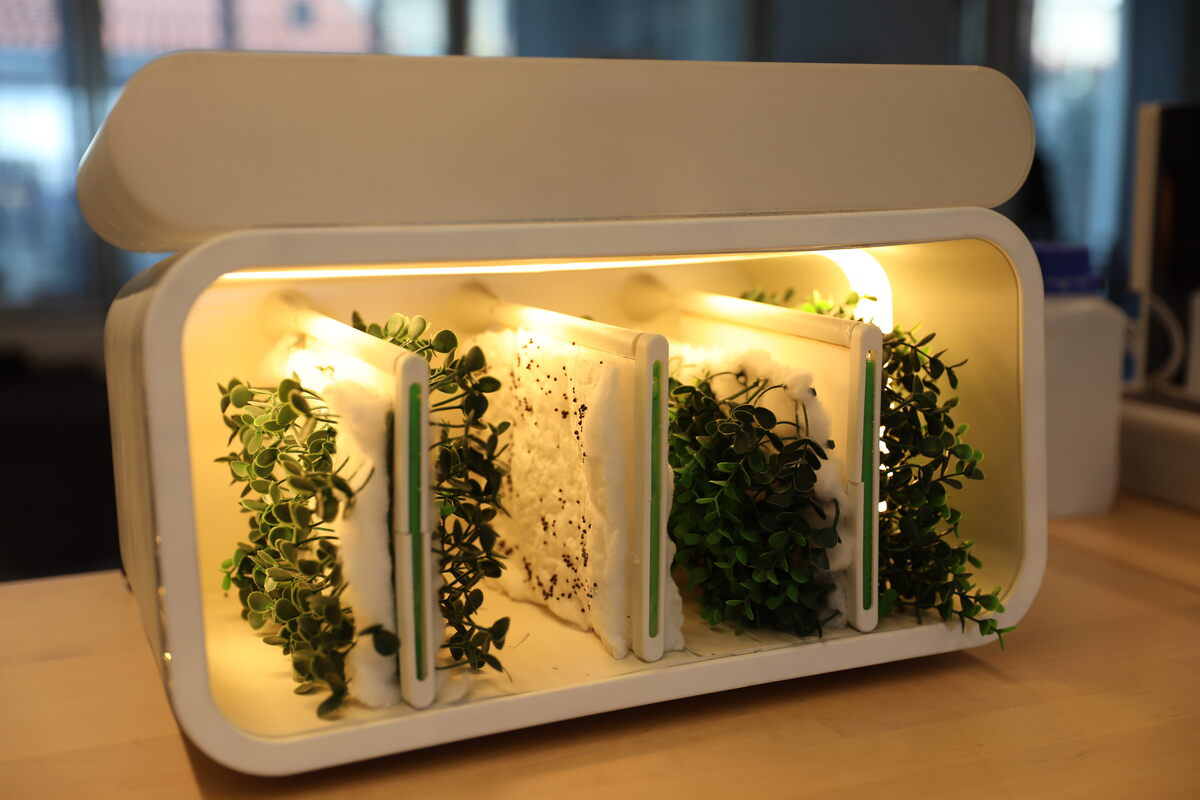
Finally, the other joint third place winner was “Square Greens”, developed by Costa Eugenio, Tallone Nicolò and Centonze Simone (Italy), that also received a special mention for social impact.
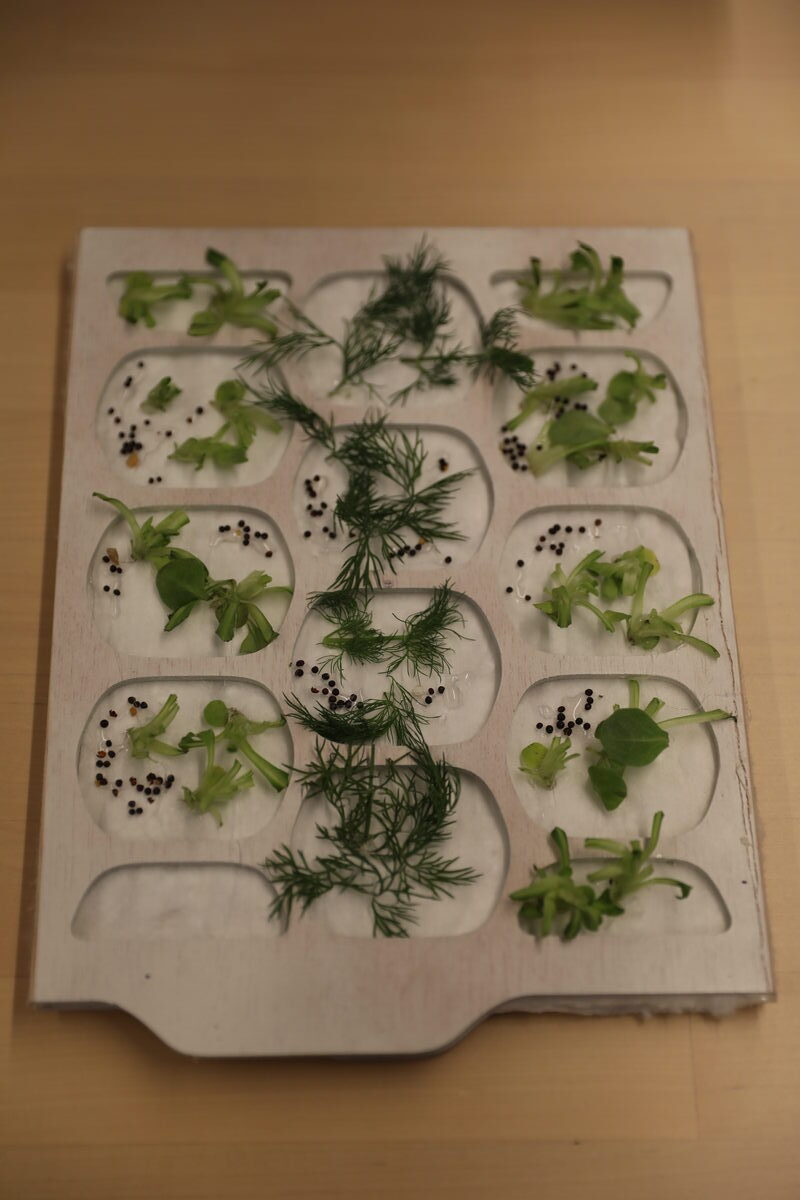
The project consists of a microwave-sized, self-contained greenhouse that empowers city dwellers to harvest three nutritionally complete meals of micro-greens in just 4 days, drastically shortening the traditional 8-10-day growth cycle while eliminating packaging waste.
Square Greens translates the principle of product design, circular service models and participatory artivism into a tangible, shareable artefact that makes climate-positive eating visible at home and on social media. By bringing agricultural processes into the living room, the project converts passive consumers into active co-producers and aligns seamlessly with Feed Your Future’s goals of youth empowerment, climate education and food-system transformation. Its open-source modular architecture invites designers and artisans across the eight target countries to adapt, localise and showcase new versions of the project.
Impact and Outcomes
The impact of the Feed Your Future Training Camp can be observed across multiple dimensions, including the development of participants’ design capabilities, the production of innovative prototypes, and the creation of new professional connections within the fields of food design and craftsmanship.
Beyond the development of final prototypes, the Training Camp strengthened participants’ design skills and created new professional connections within the fields of food design and craftsmanship. The programme also provided new perspectives on collaborative learning processes, interdisciplinary experimentation and the role of design in addressing challenges related to sustainability and food systems.