Location
Almere, Netherlands
Dates
13-27 May 2026
Artists
Agnes Essonti Luque
Joana Velu
Eva van der Zand
Curators
Zoi Psimmenou
Host organization
Gemeente Almere
Coordinated by BJCEM – Biennale des Jeunes Créateurs de l’Europe et de la Méditerranée, and curated by Zoi Psimmenou, the initiative brought together three international artists – Agnes Essonti Luque, Joana Velu and Eva van der Zand – to explore how climate change and food shape the future, and stimulate action through performance, ritual, and material experimentation.
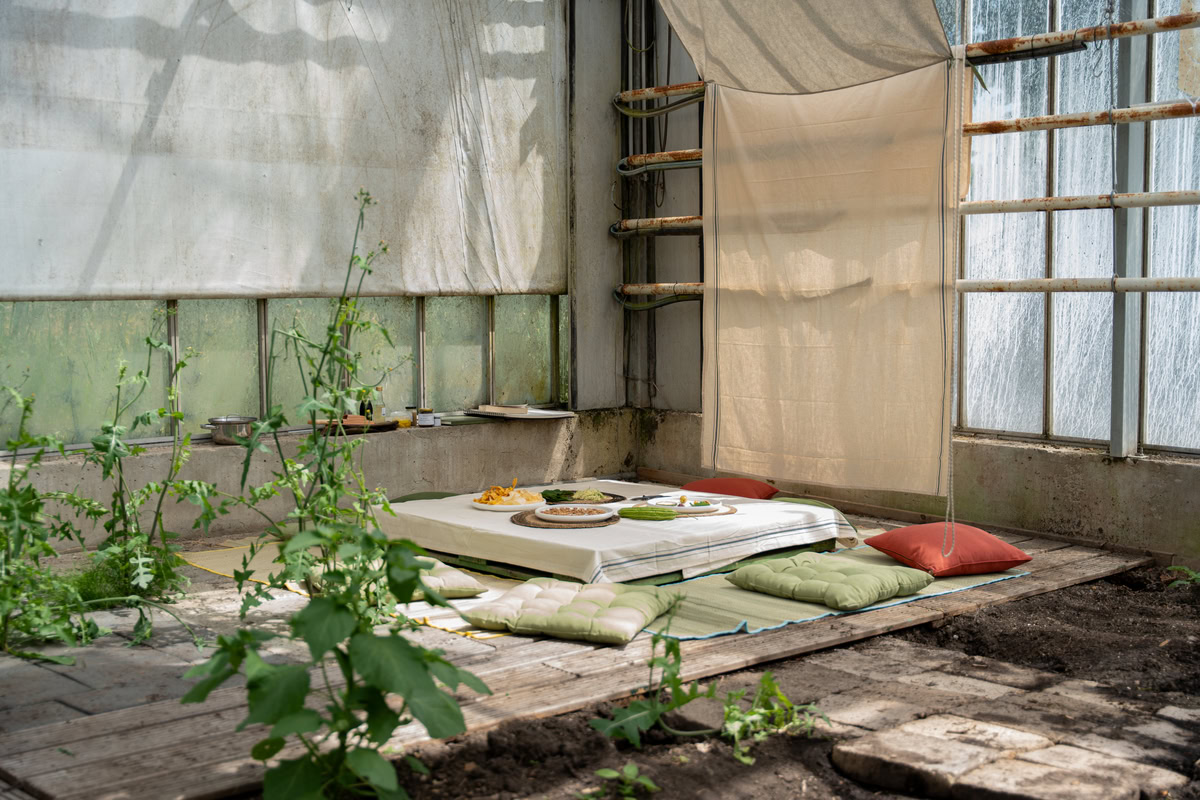
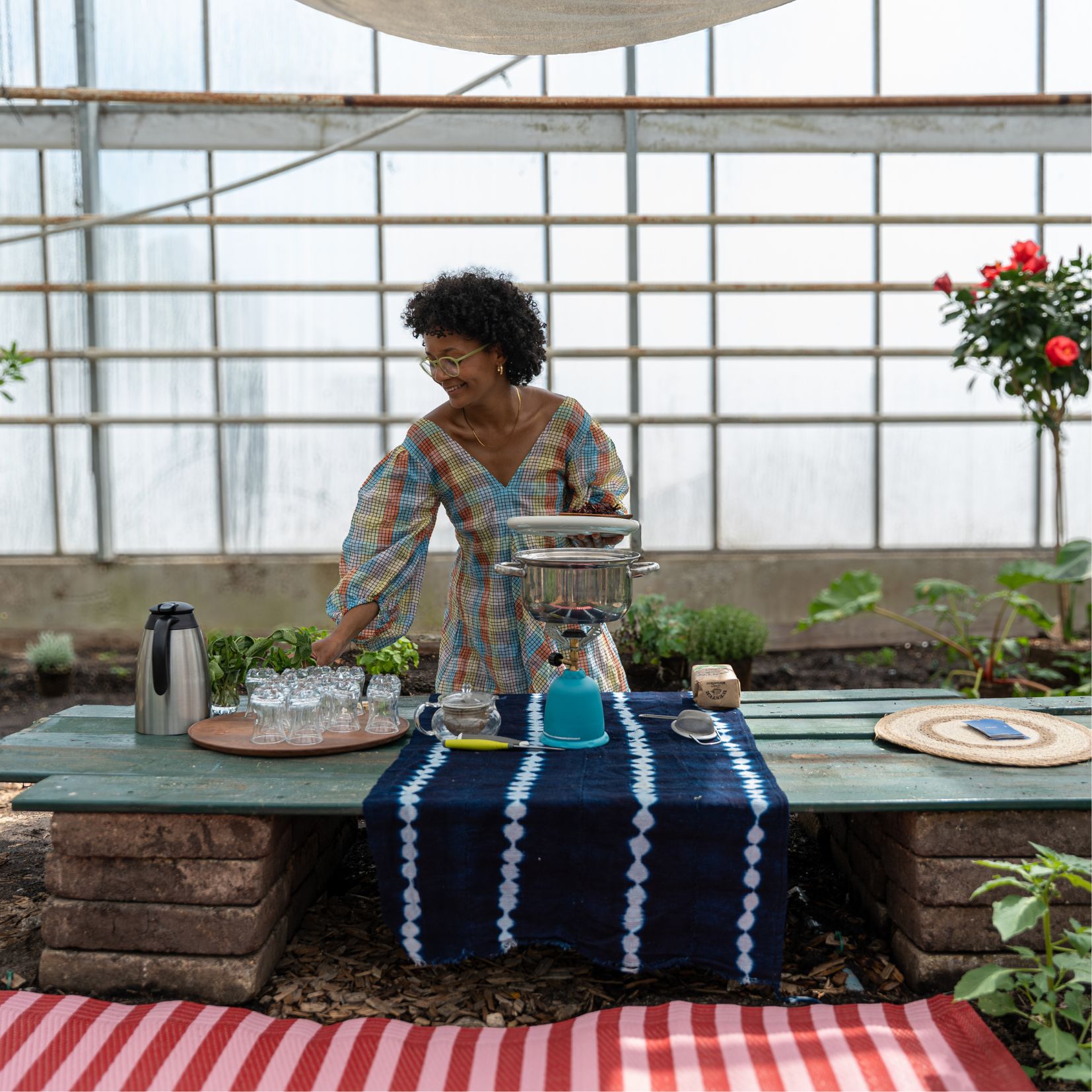
The two-week residency culminated in two events: an interactive workshop at the community garden greenhouse, ONZE volkstuin in de kas, and a concluding presentation of the residency’s outcomes at the Cultuurhuis Cultural Centre in Almere.
Discovering Almere: food, culture and community and individual artistic research
The residency began with a series of activities and experiences designed to introduce artists to the local context. Participants had the opportunity to engage with local stakeholders, gaining insights into the city’s food culture and the practices and traditions surrounding food.
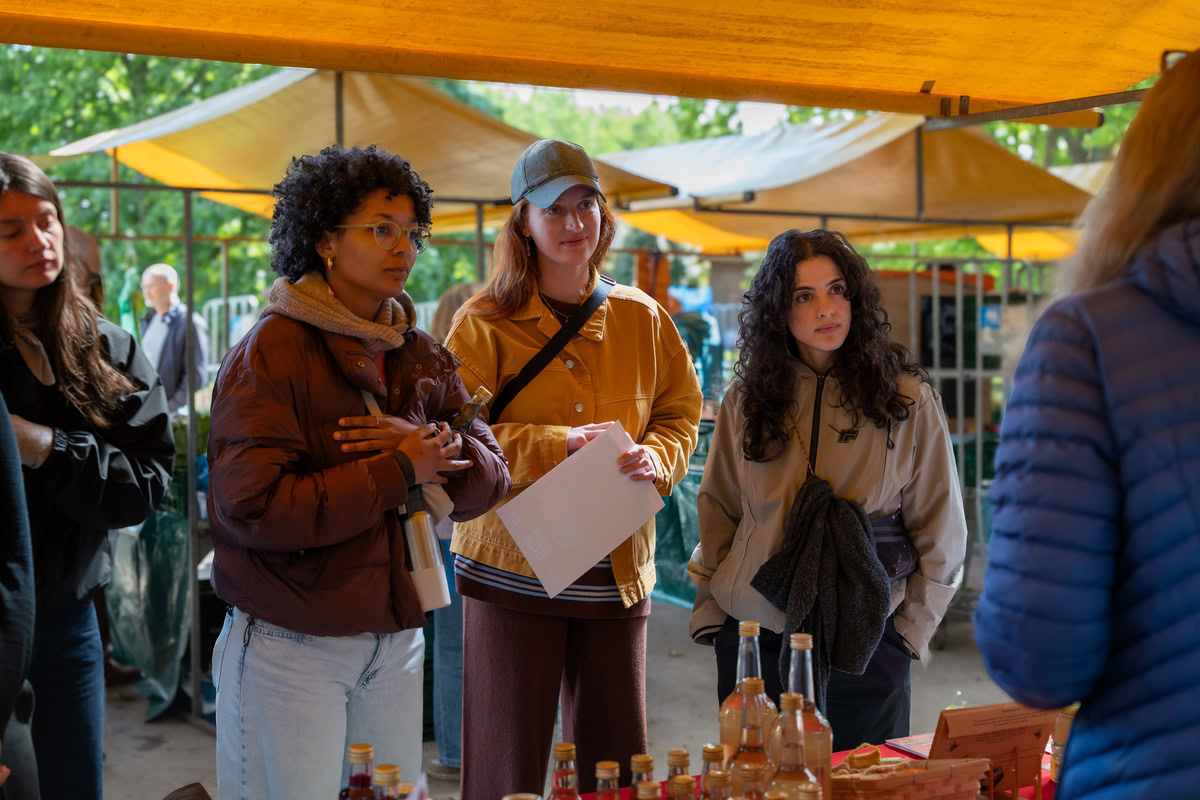
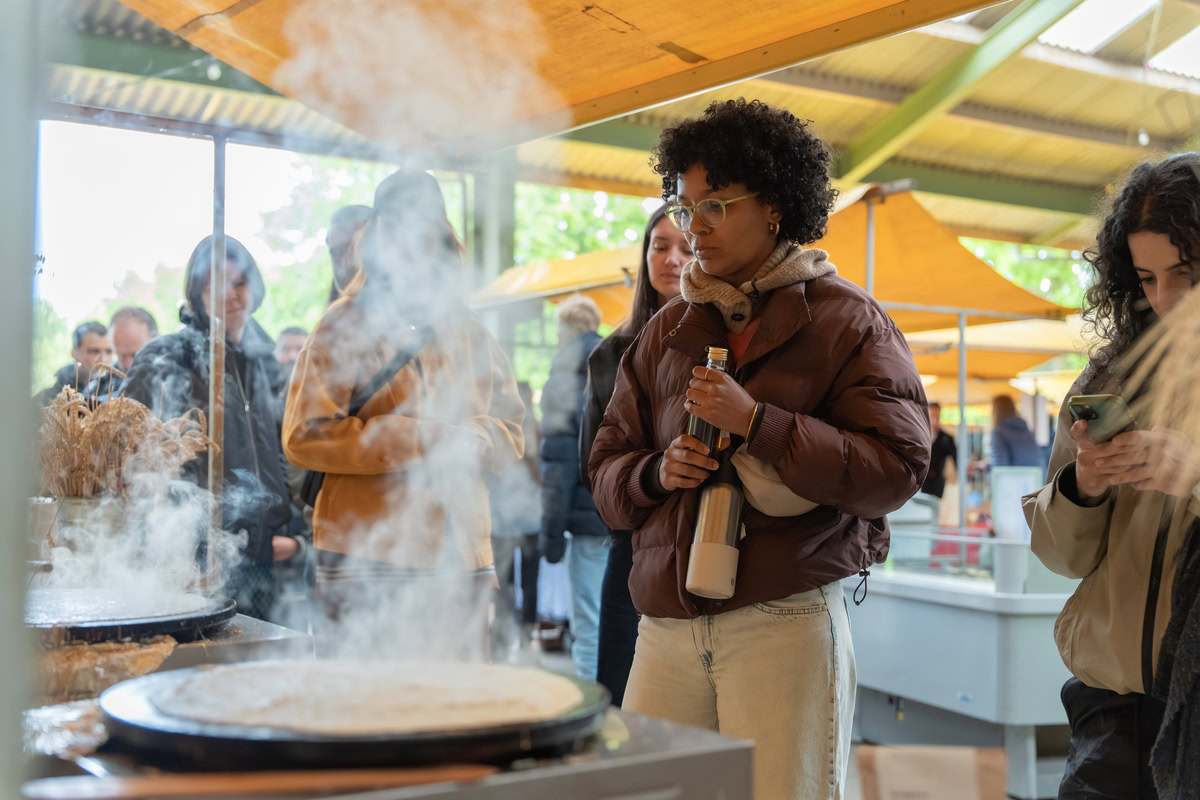
For example, artists had a chance to visit a local market and get to know local food entrepreneurs.
Agnes Essonti Luque focused on nourishment as a collective act of remembrance and healing, reflecting on the connections between food, memory and shared experiences.
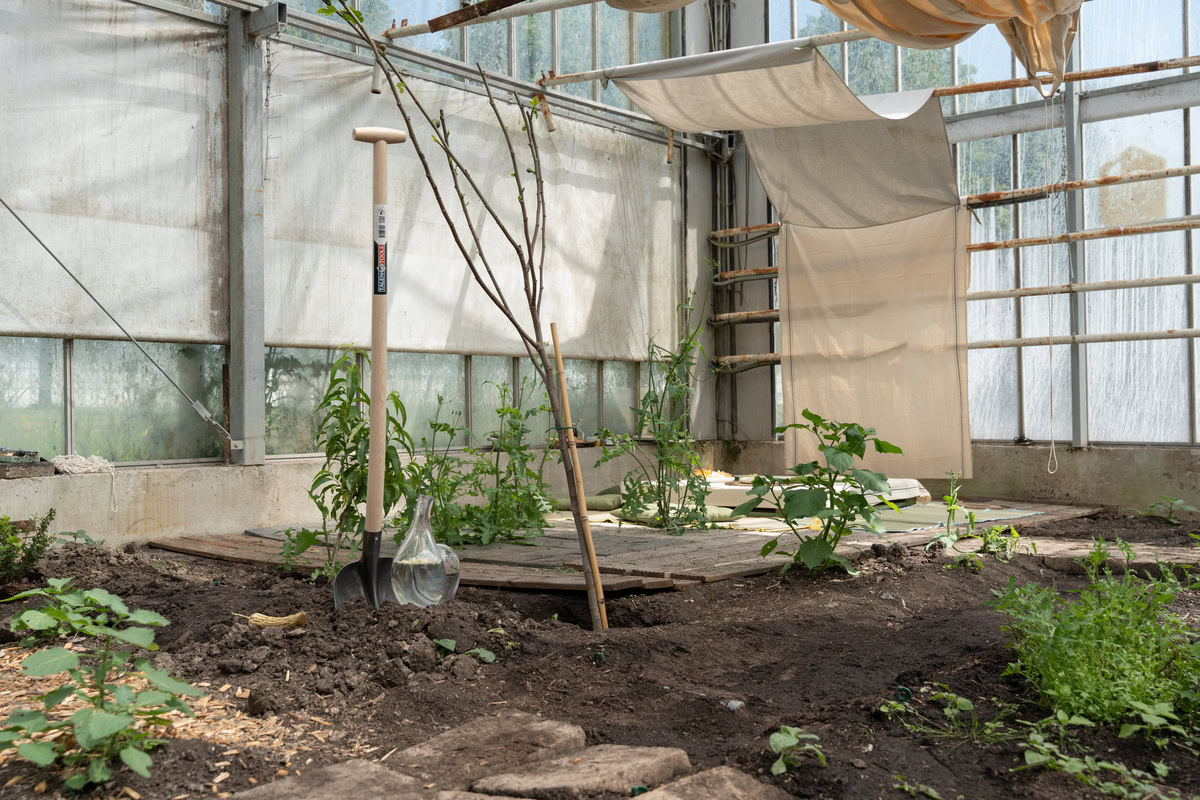
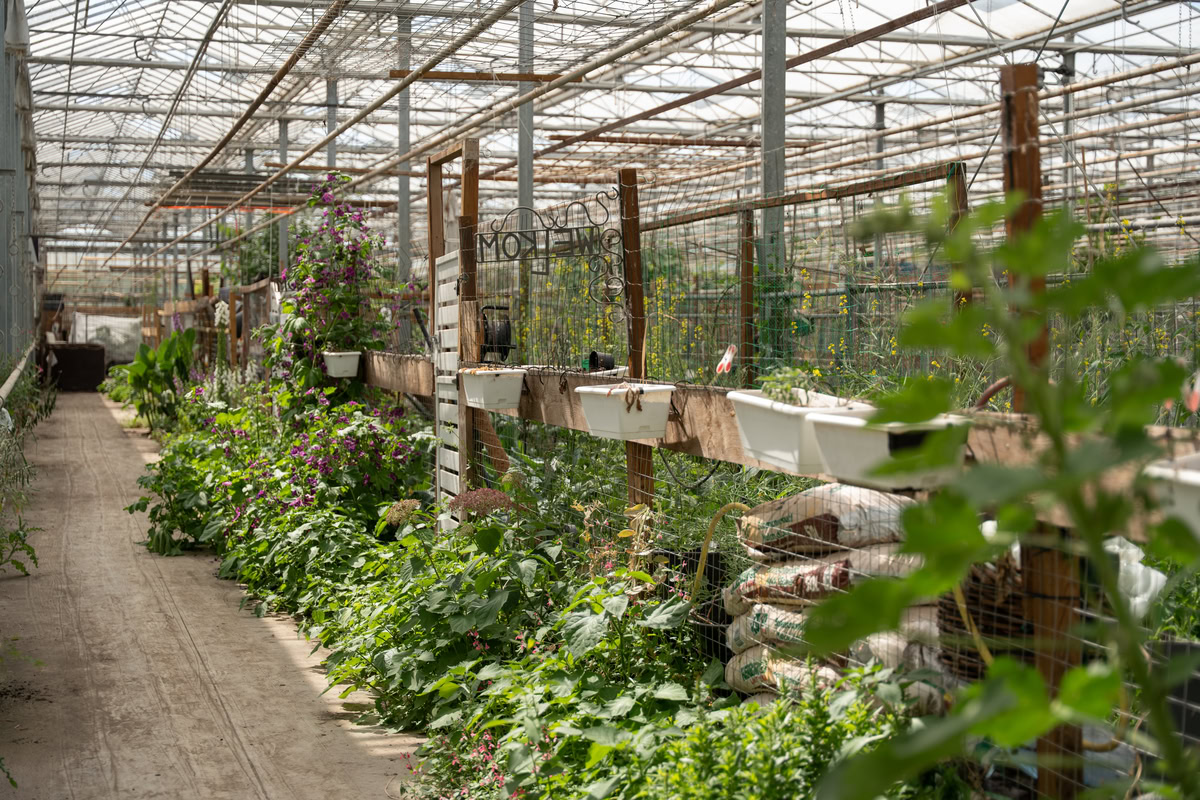
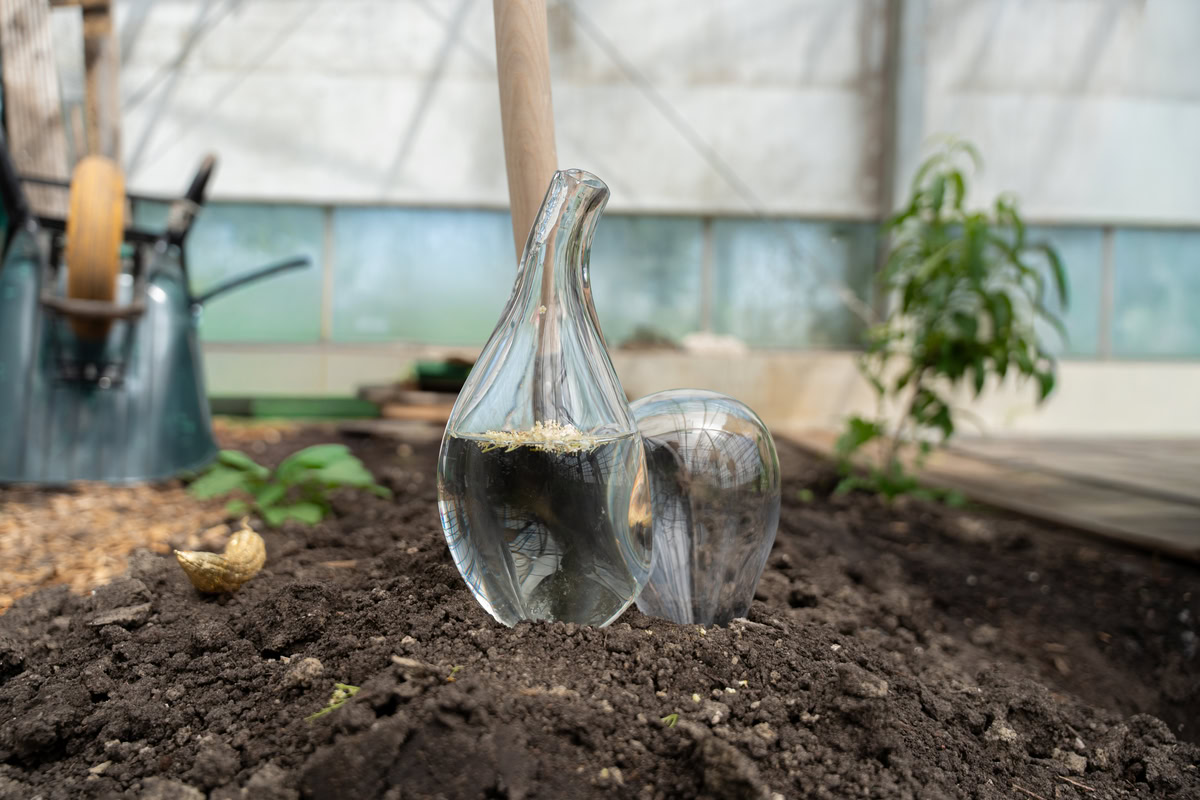
Eva van der Zand drew inspiration fromAlmere’s greenhouses, particularly the community of ONZE volkstuin in de kas, where locals rent plots of land to grow their own fruits and vegetables. Her idea was to create something within the greenhouse that would remain in Almere and continue to grow into its own ecosystem beyond the two weeks of the residency, challenging the temporary nature of the format.
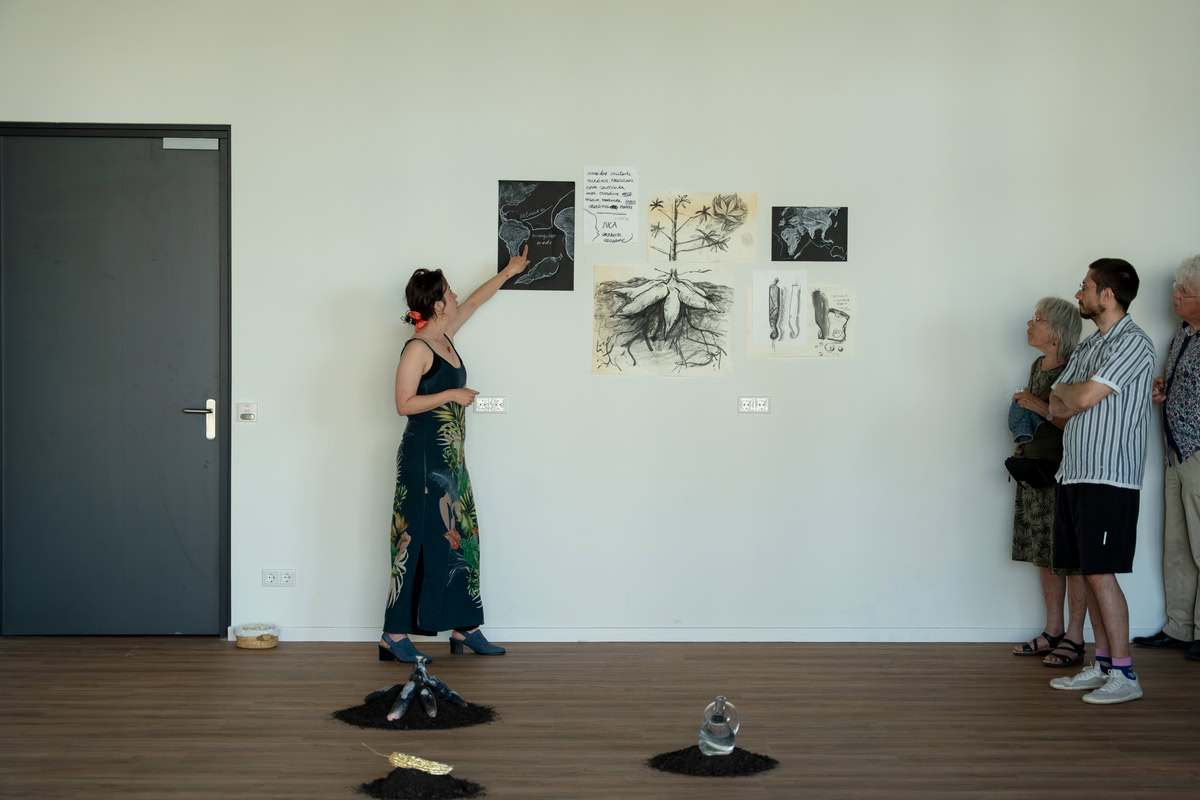
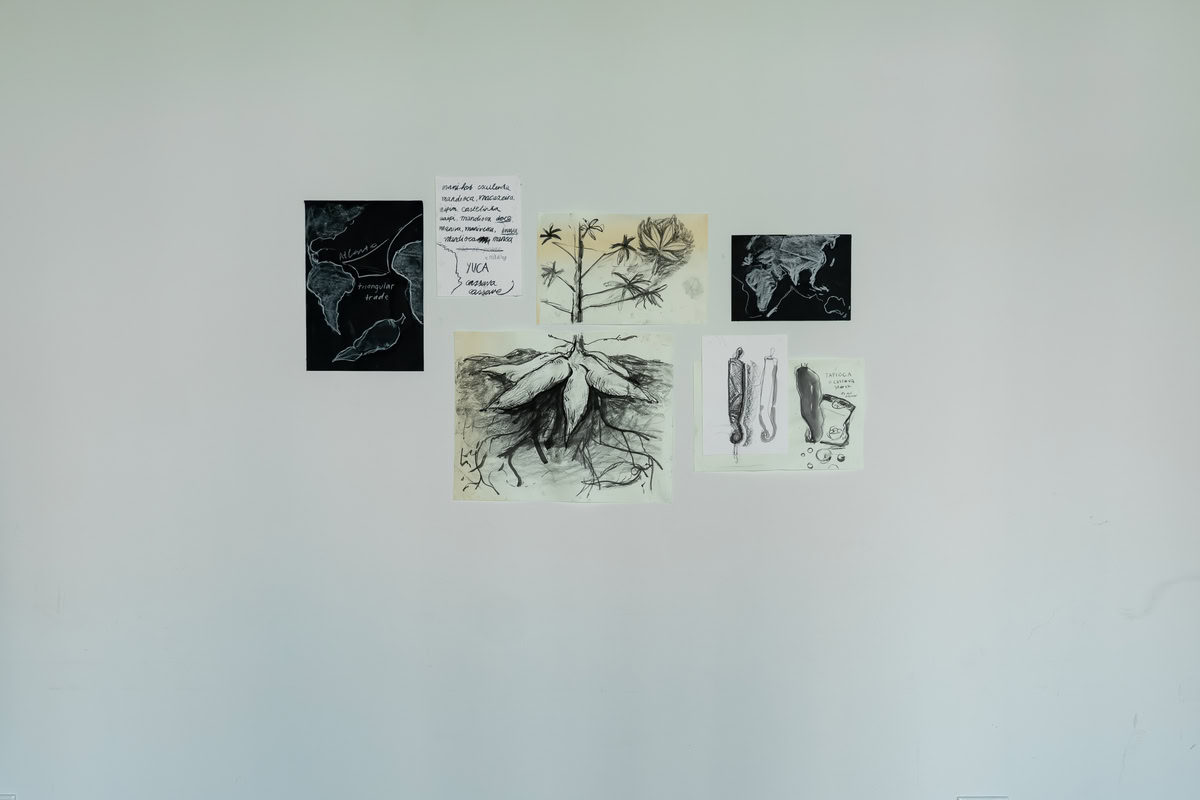
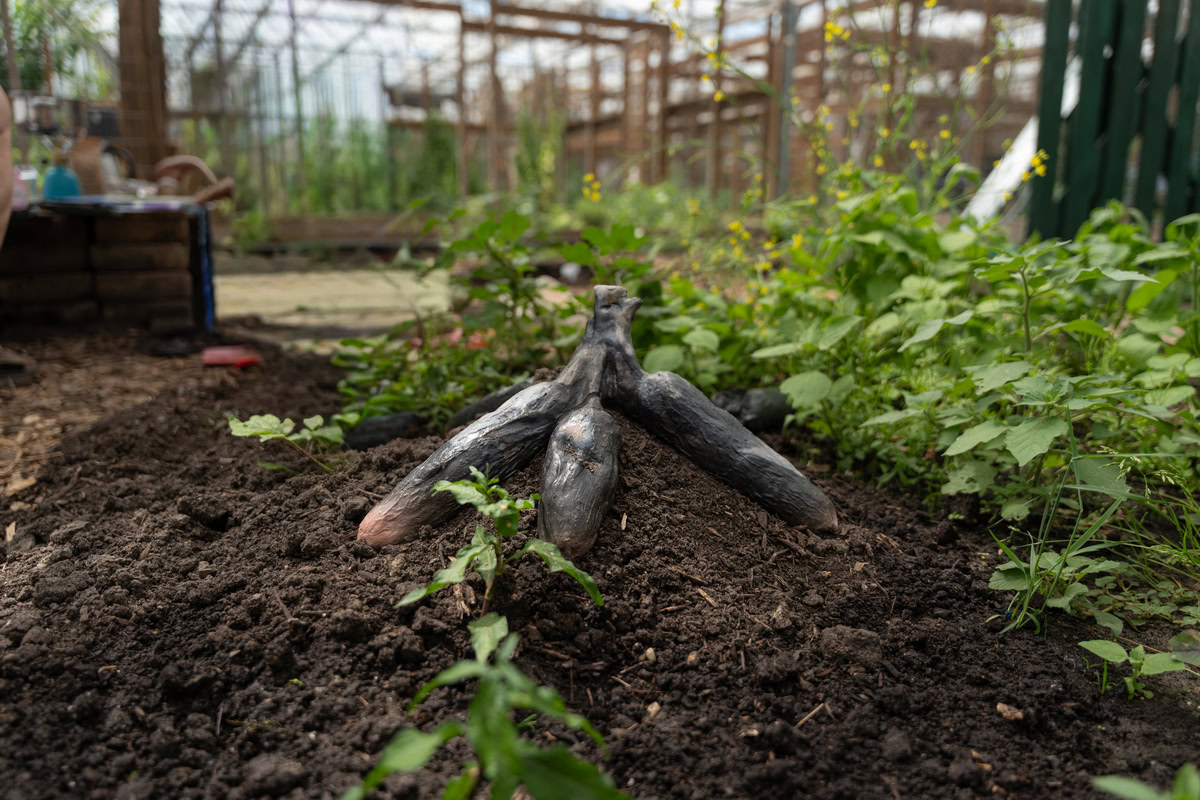
Joana Velu inspired the audience with food from other parts of the world, for example by showcasing her project “How Cassave Travelled the World”, ceramic cassaves fired with pitfire technique, with ash and charcoal.
From Research to Public Presentation
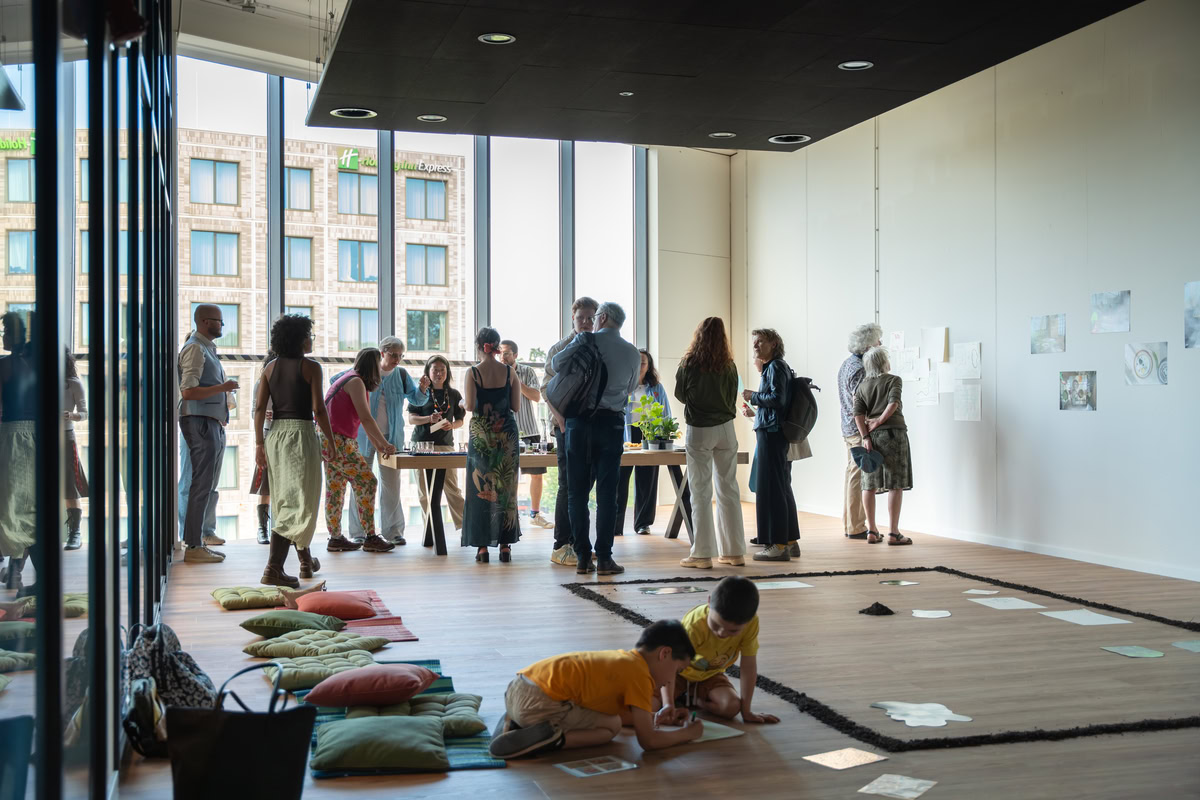
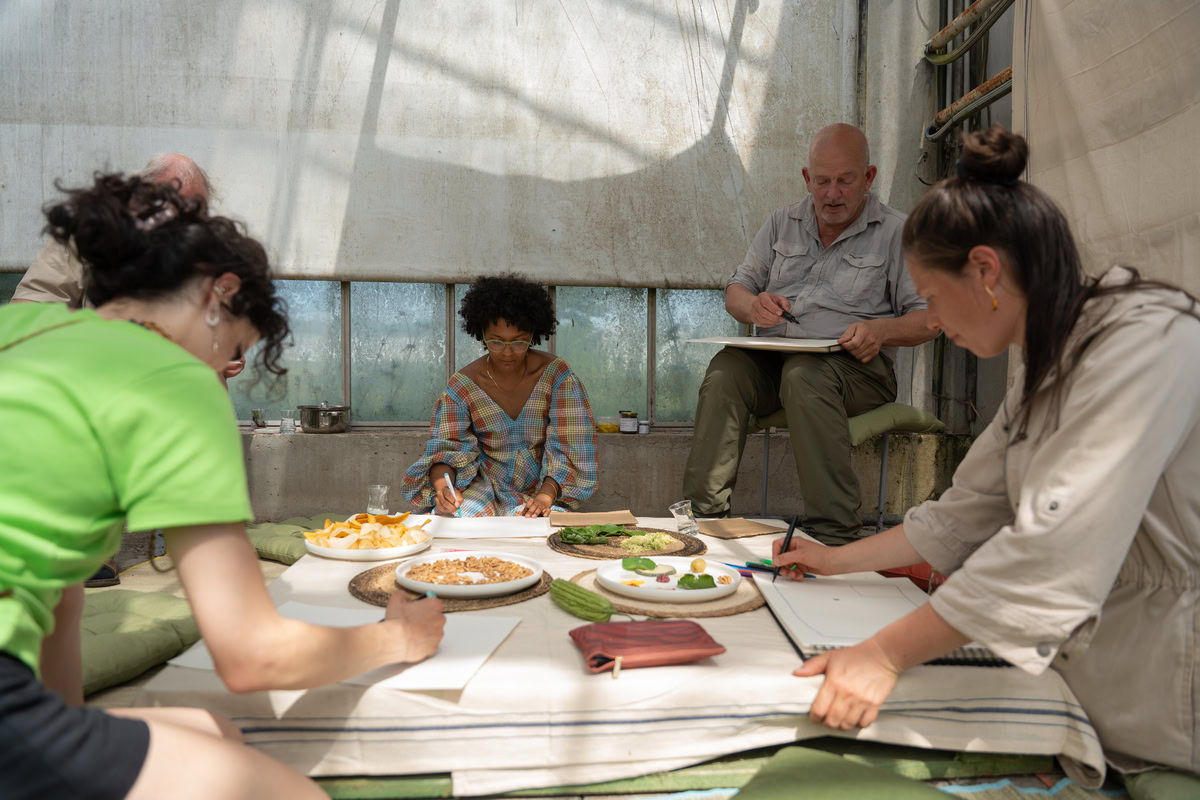
On 26 May 2026, the artists held interactive workshops at ONZE volkstuin in de kas. The following day, they presented the outcomes of the residency at Cultuurhuis Almere Buiten, through performances, rituals, and material experimentation.
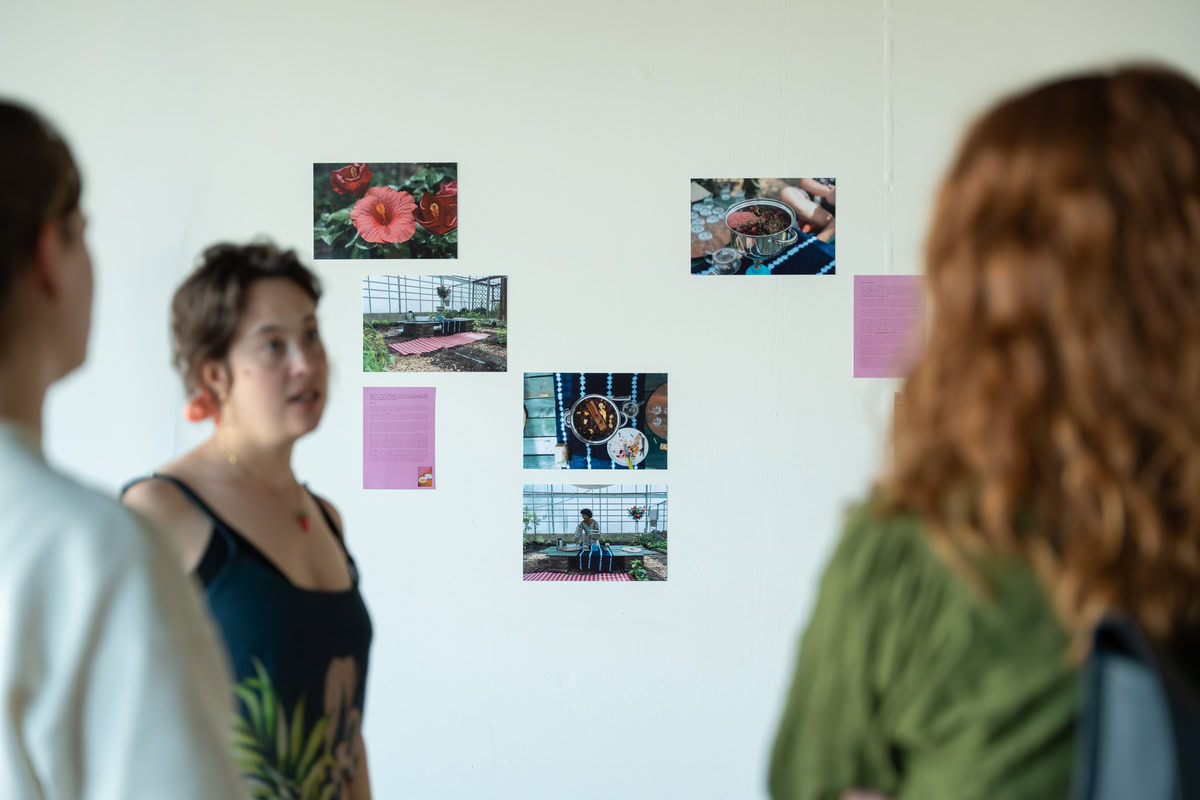
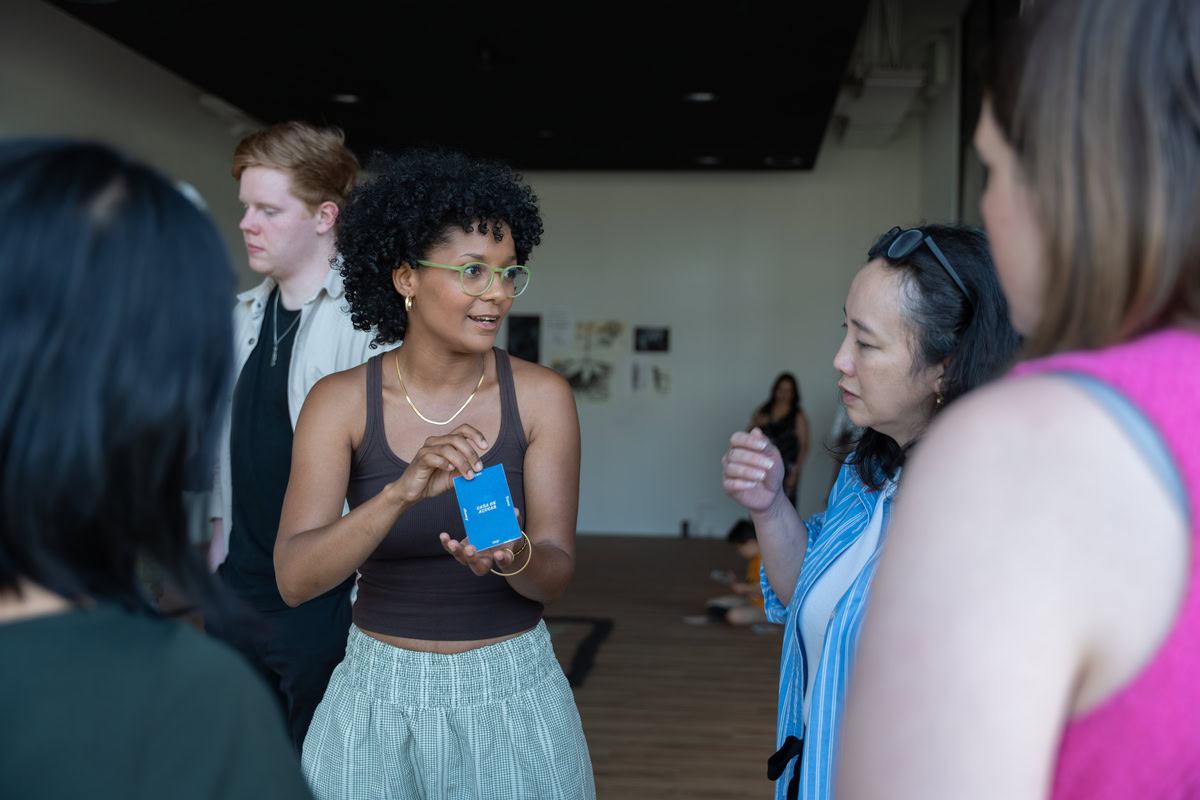
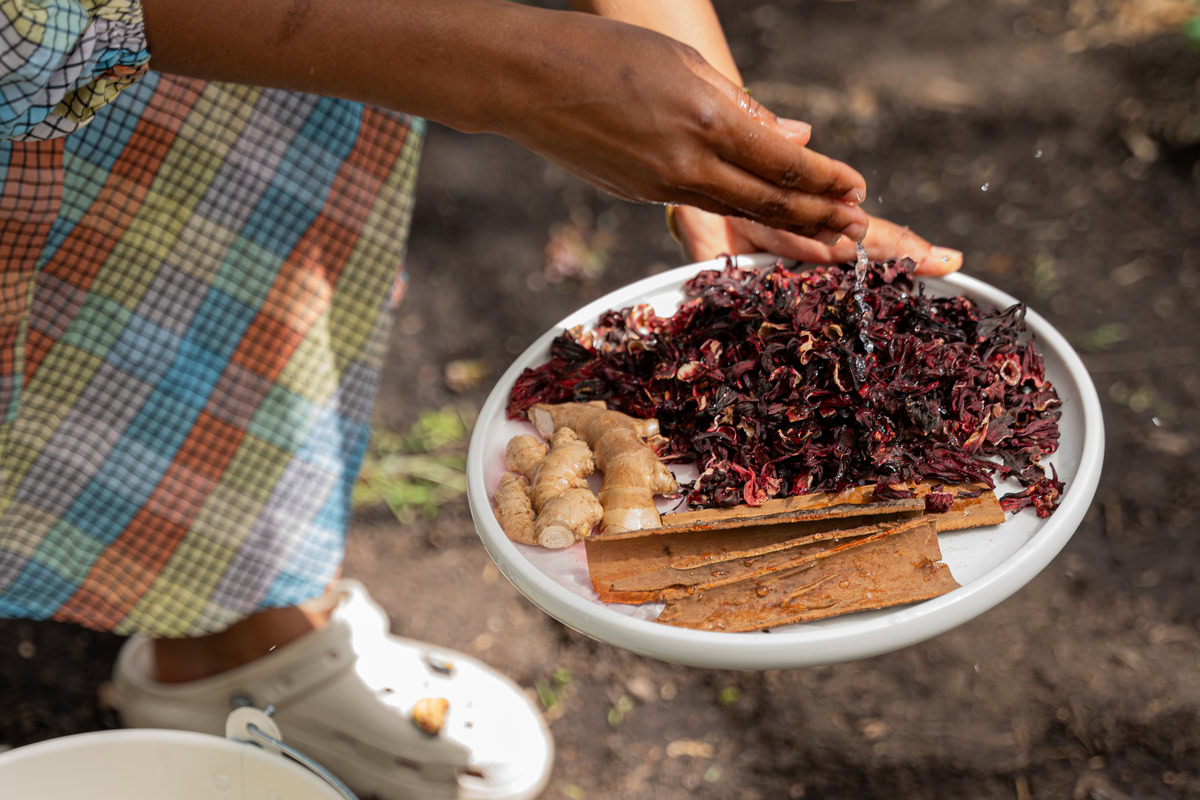
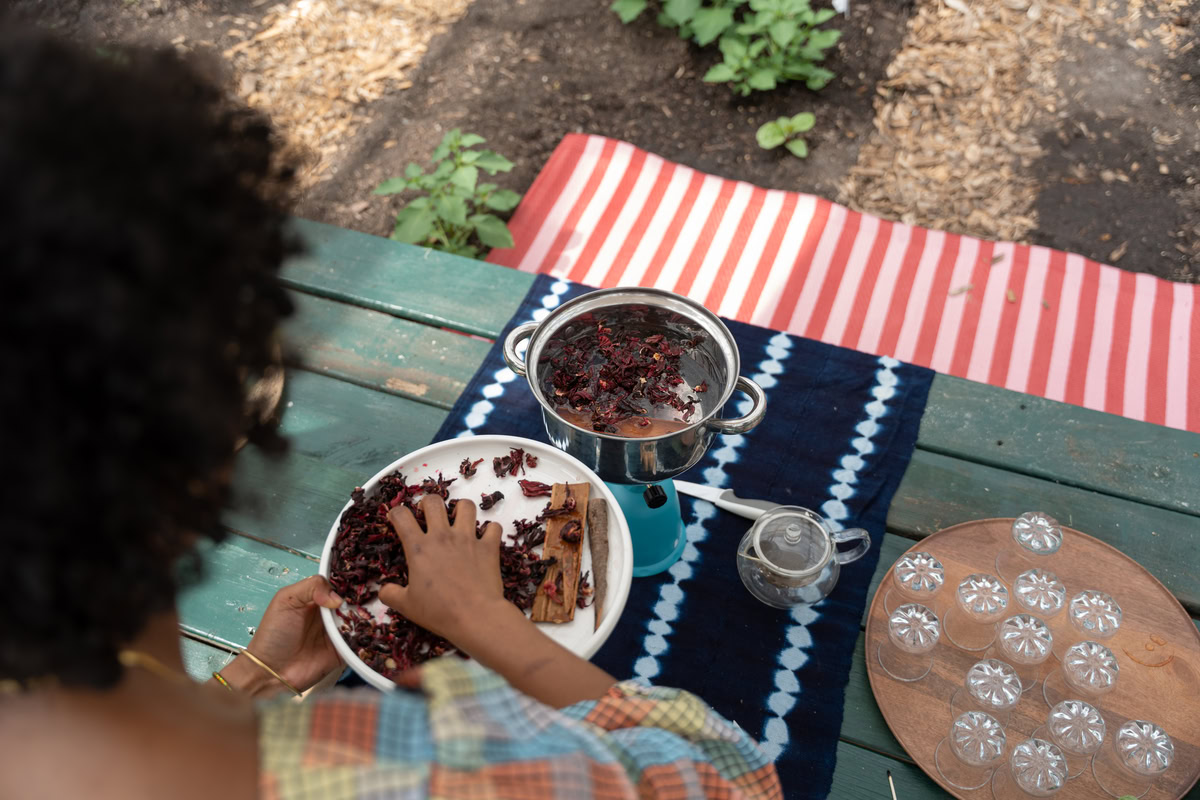
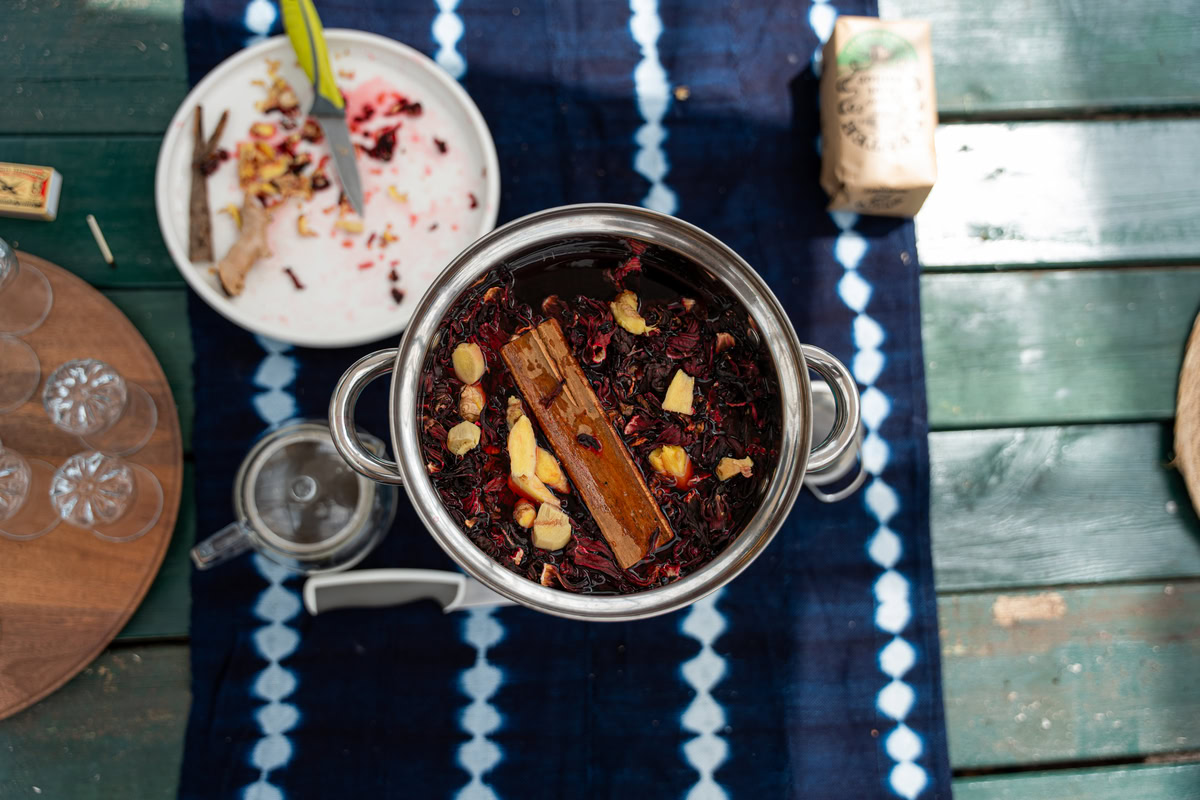
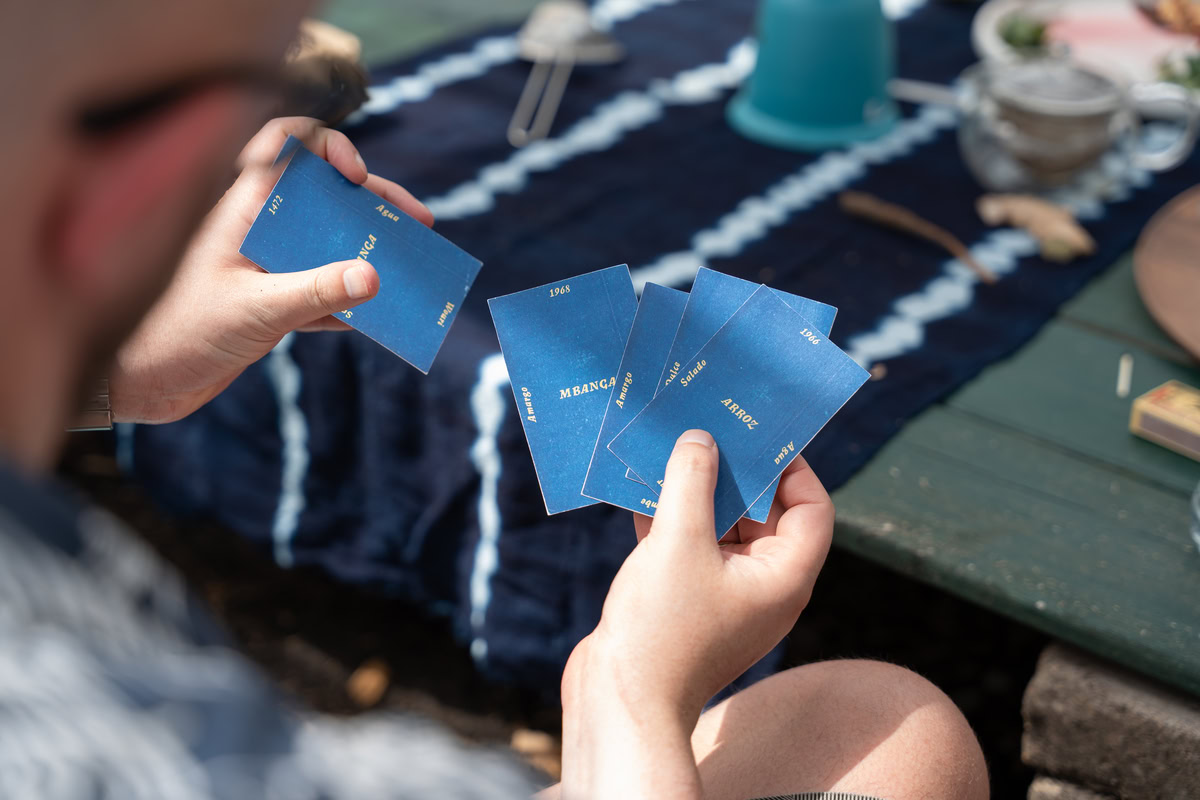
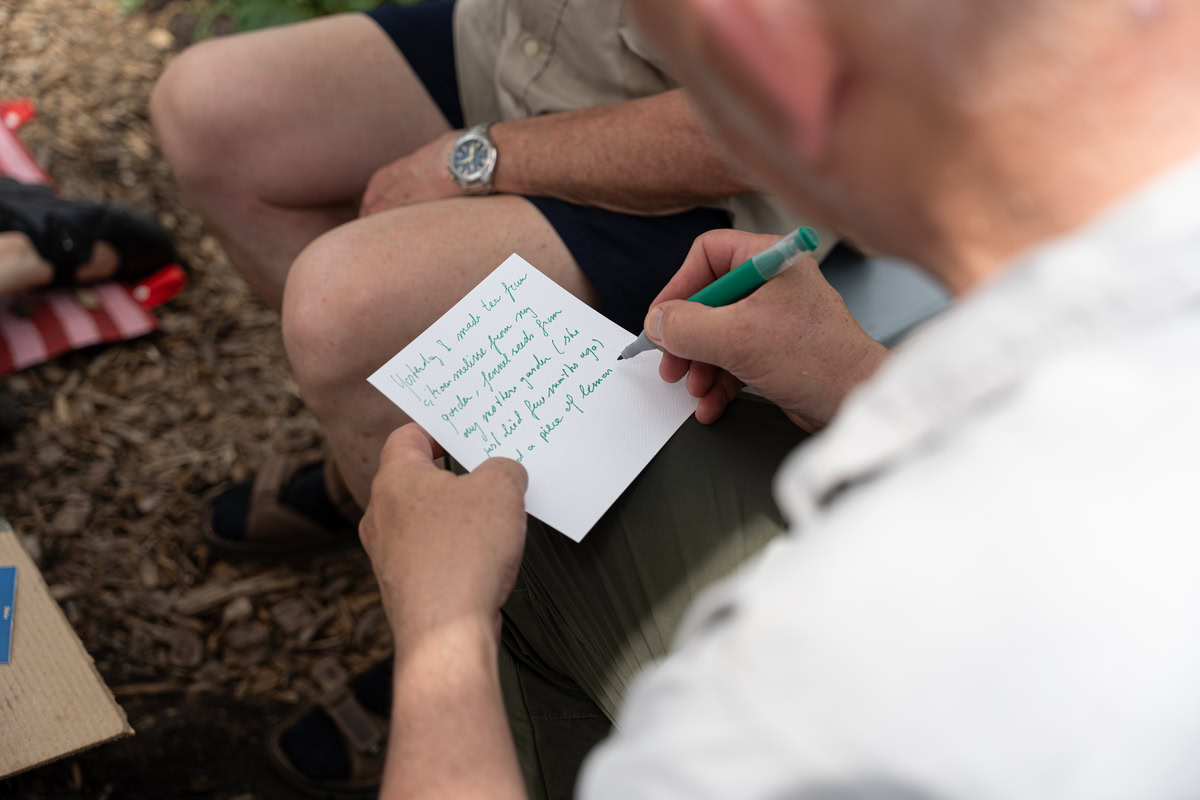
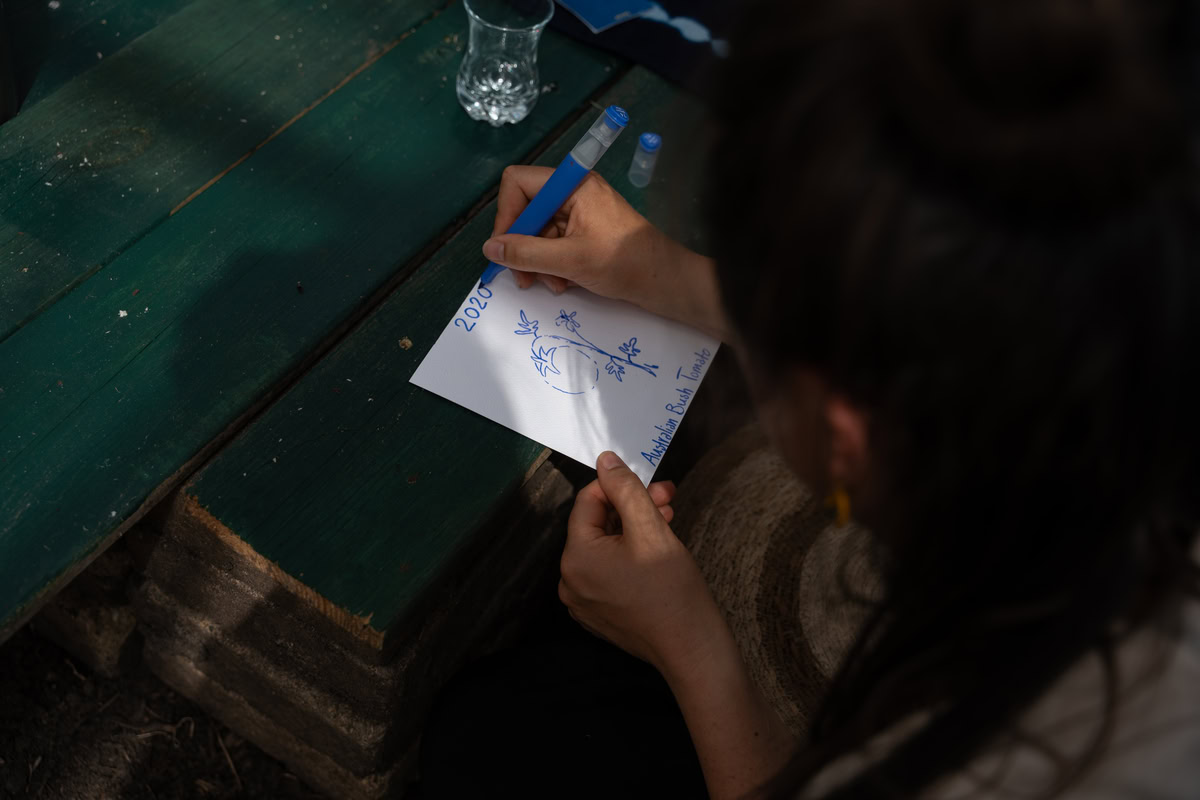
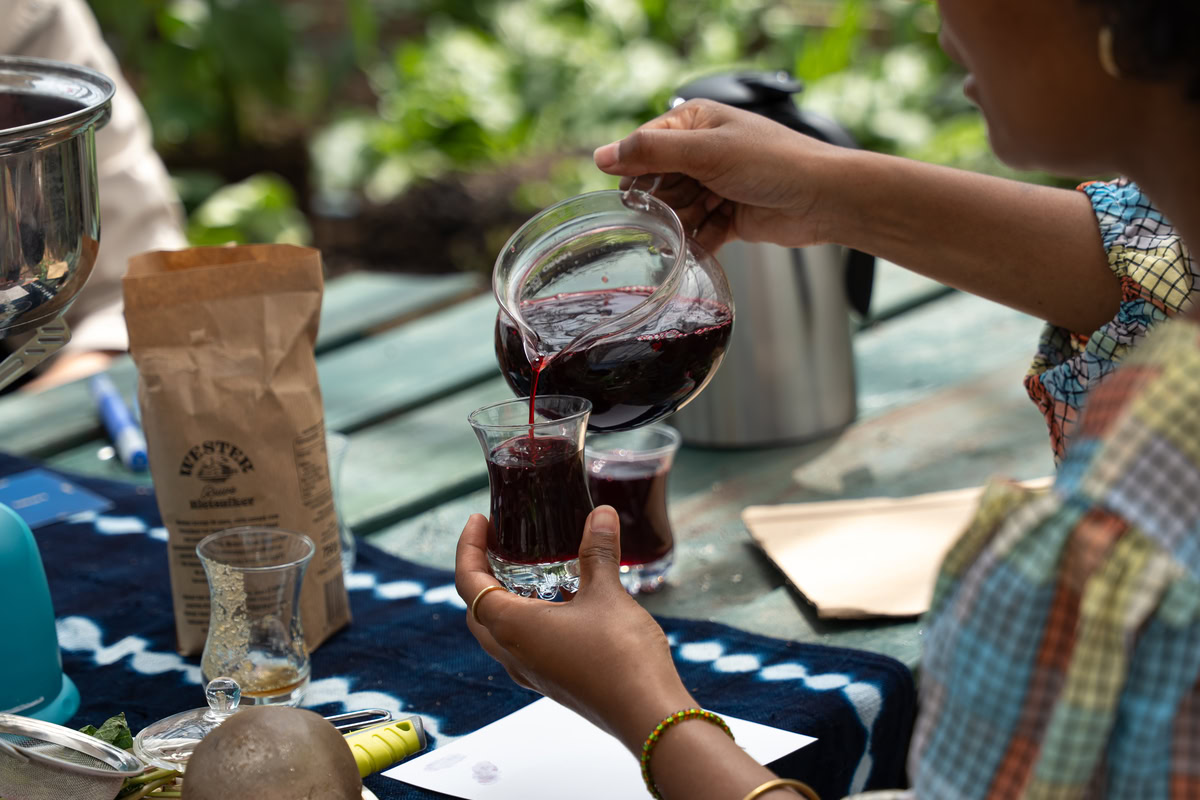
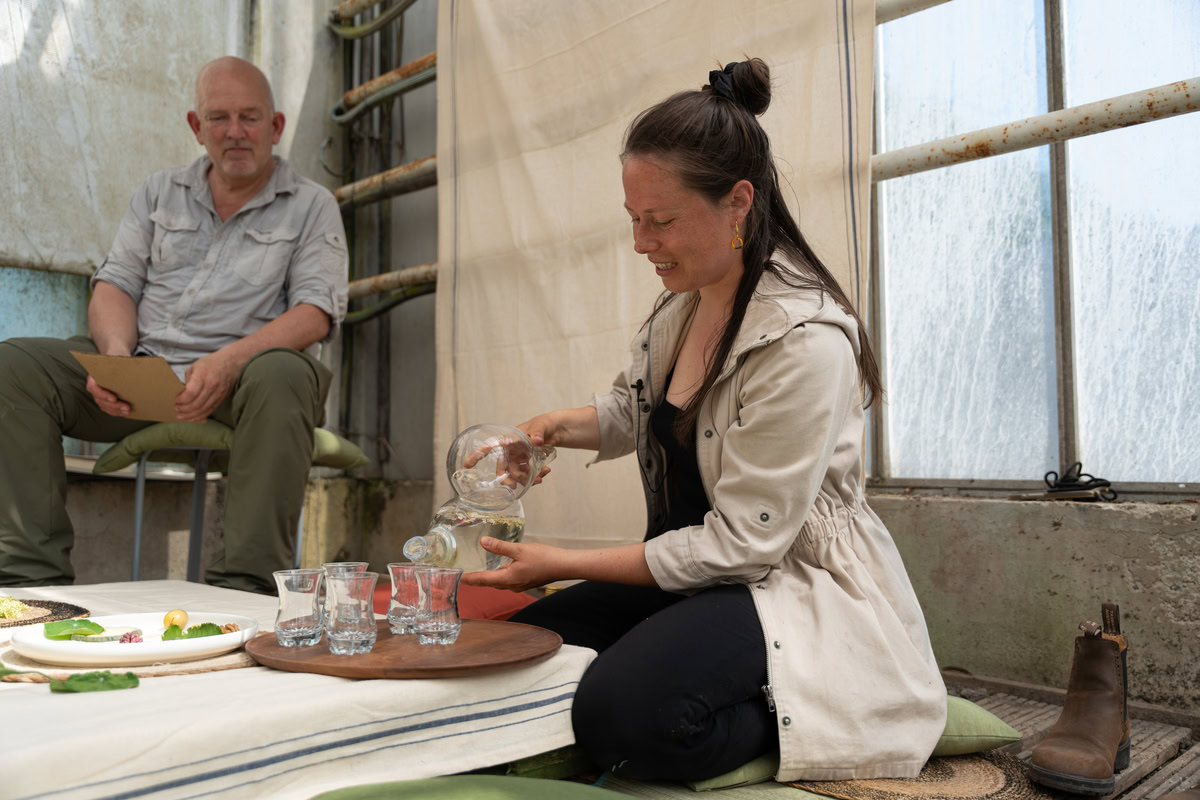
Drawing from her ongoing project, La Bissaperie, Agnes Essonti Luque invited the participants to take part in a ceremony that explored decolonial perspective. Inspired by the treatment methods developed by Franz Fanon in Algeria, her performance connected healing and collective reflection through the shared experience of tea drinking. Participants were invited to reflect on food traditions and share personal stories while drinking hibiscus tea prepared by the artist. Alongside this, Agnes presented a deck of oracle cards inspired by afrodiasporic ingredients, encouraging participants to explore past and present, personal and collective histories connected to food, colonisation and ecological exploitation. The audience was also asked to reflect on ingredients that held personal significance and create their own cards.
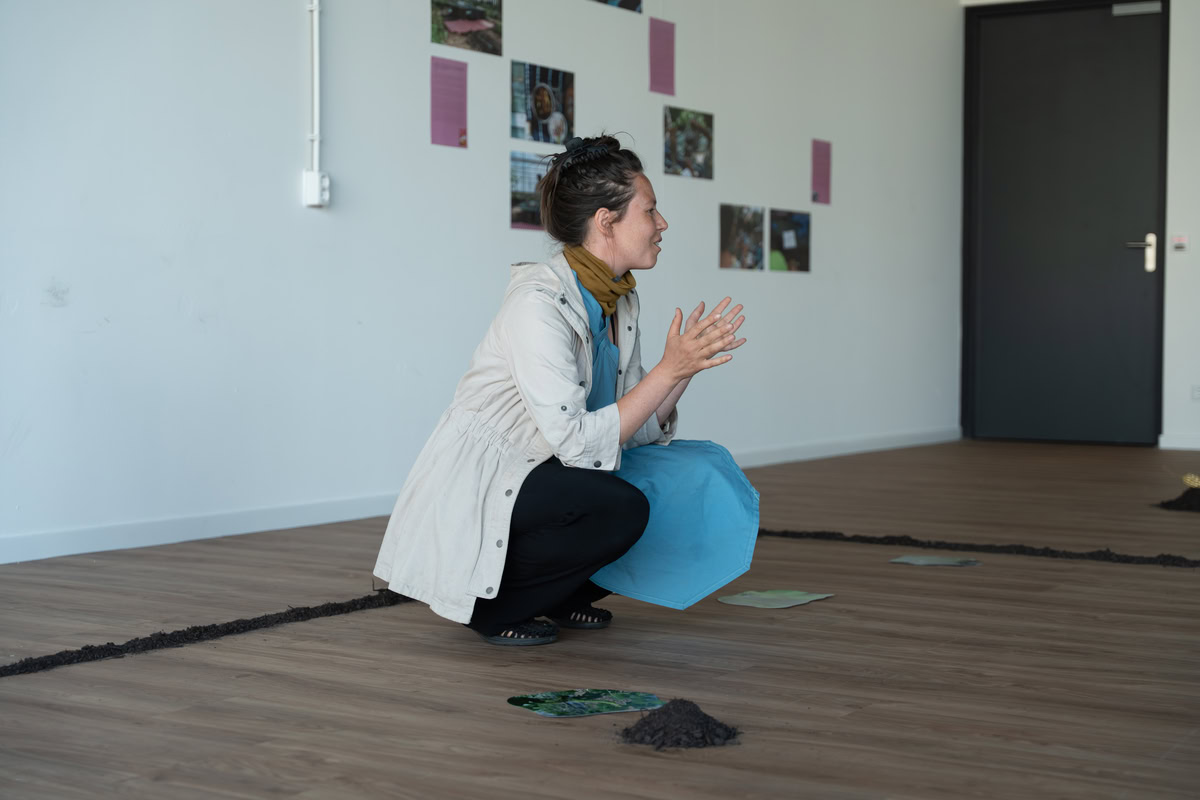
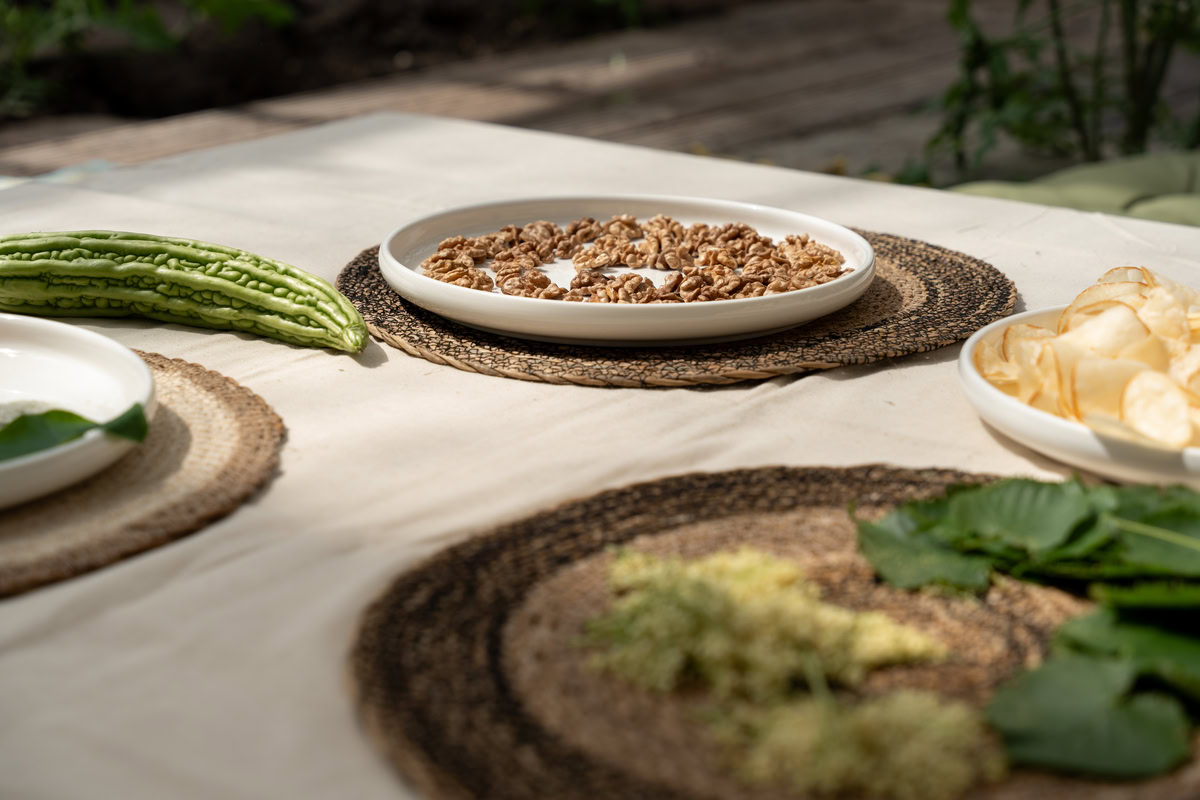
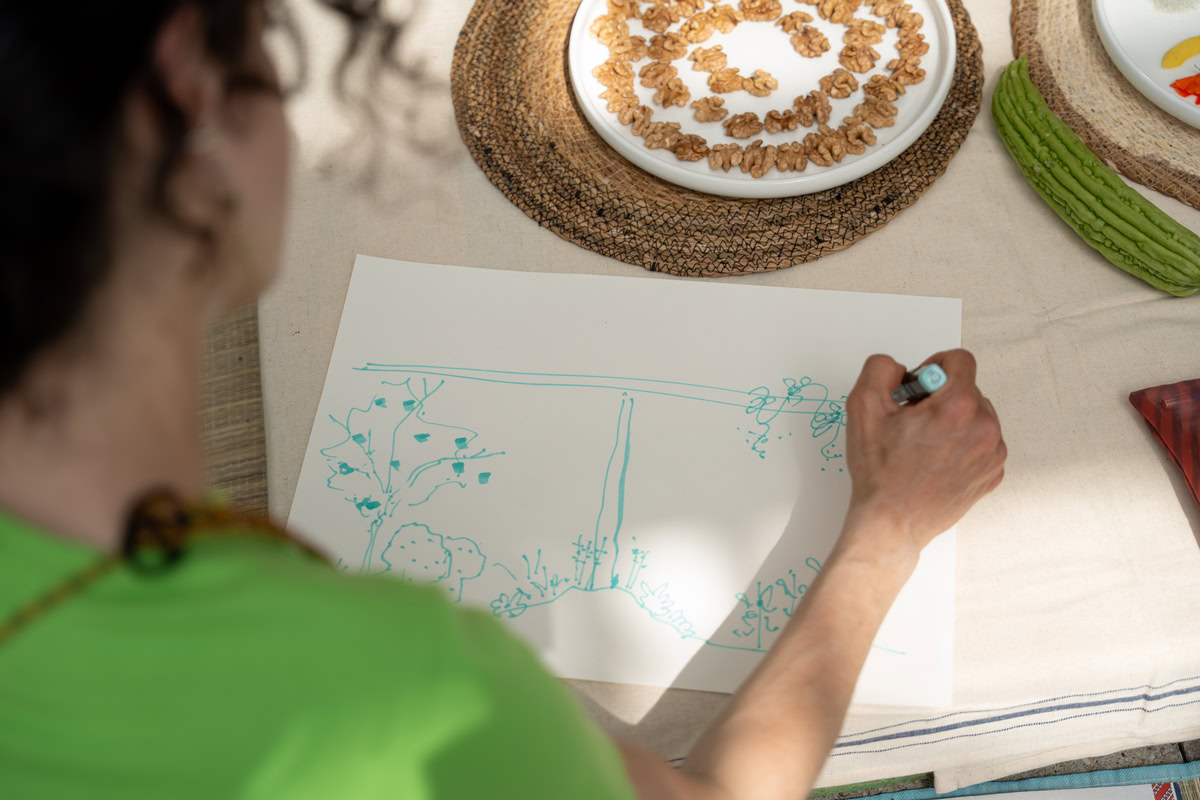
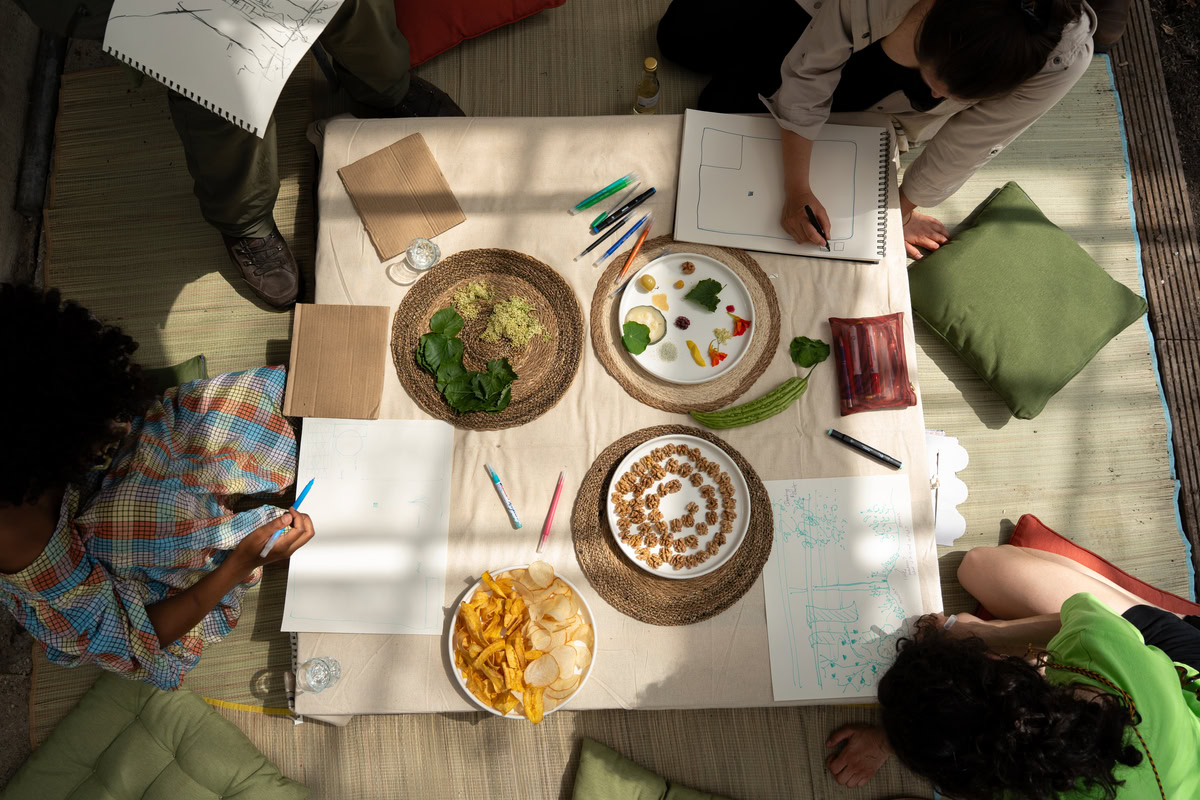
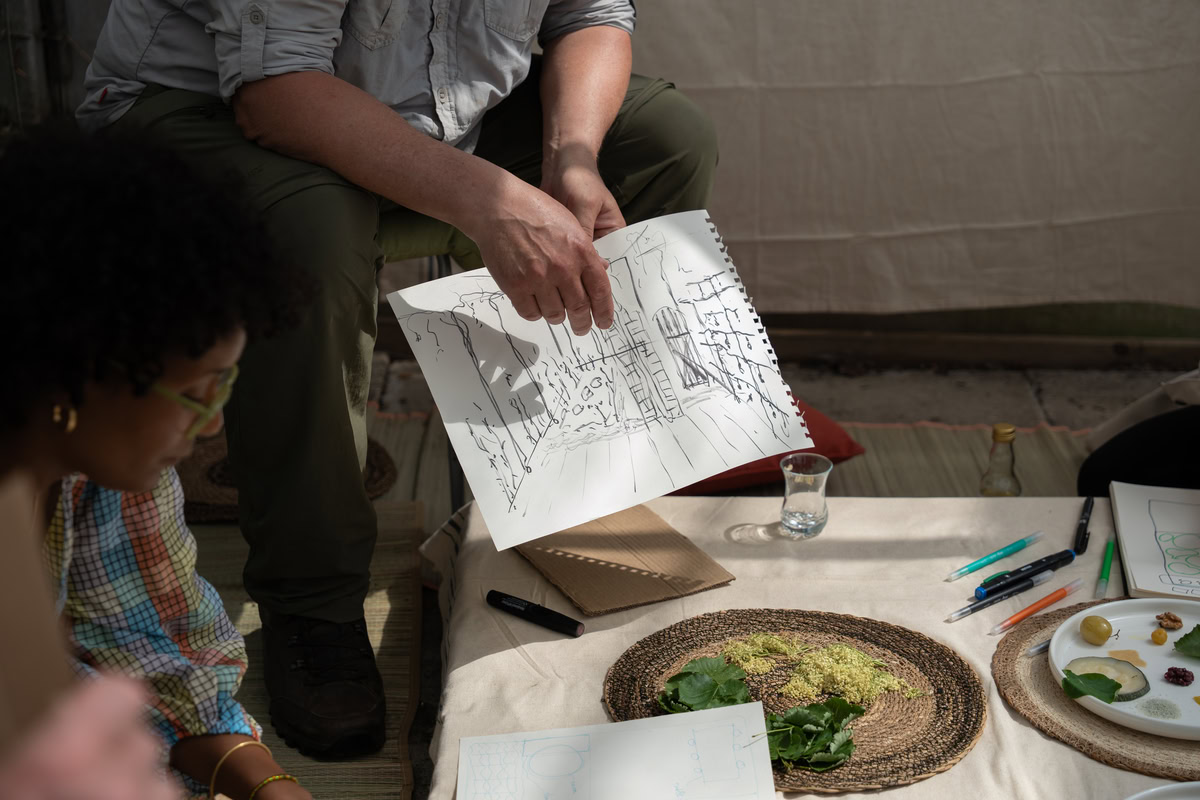
Eva van der Zand rented a plot within the greenhouse, reimaging it not merely as soil for growing food, but as a space for cultivating artistic practices alongside residents, where art and sustainable food production could playfully converge. Eva invited participants to imagine together how the garden could develop through personal memories and reflections. Using drawings, photographs and sketches of plants they brought their ideas to life within a scaled-down model of the plot, recreated with soil in the exhibition space. Alongside this exploration, participants could taste various foods that Eva collected or purchased during the residency.
Joana Velu gathered stories from different communities within Almere while visiting local food entrepreneurs. During the final event, she shared these stories with the audience through food, again bringing cassave to their attention by letting the audience taste it.
A Collective Experience
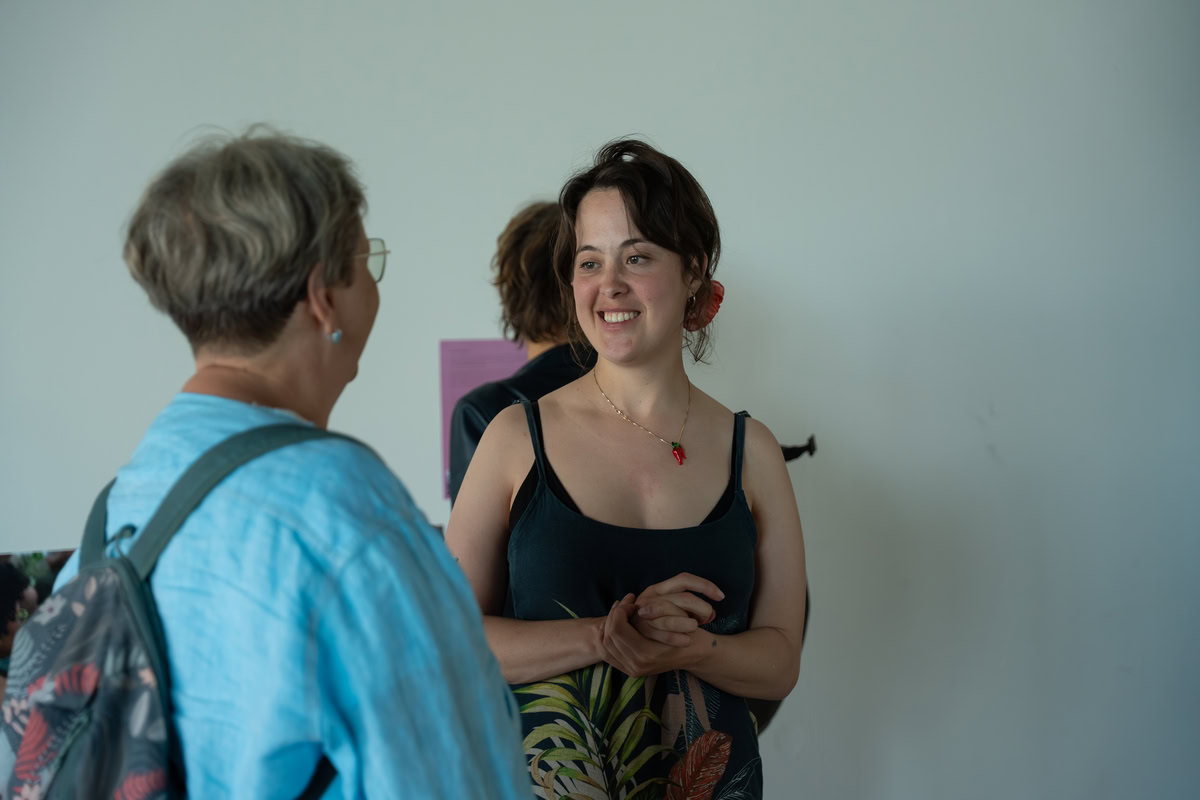
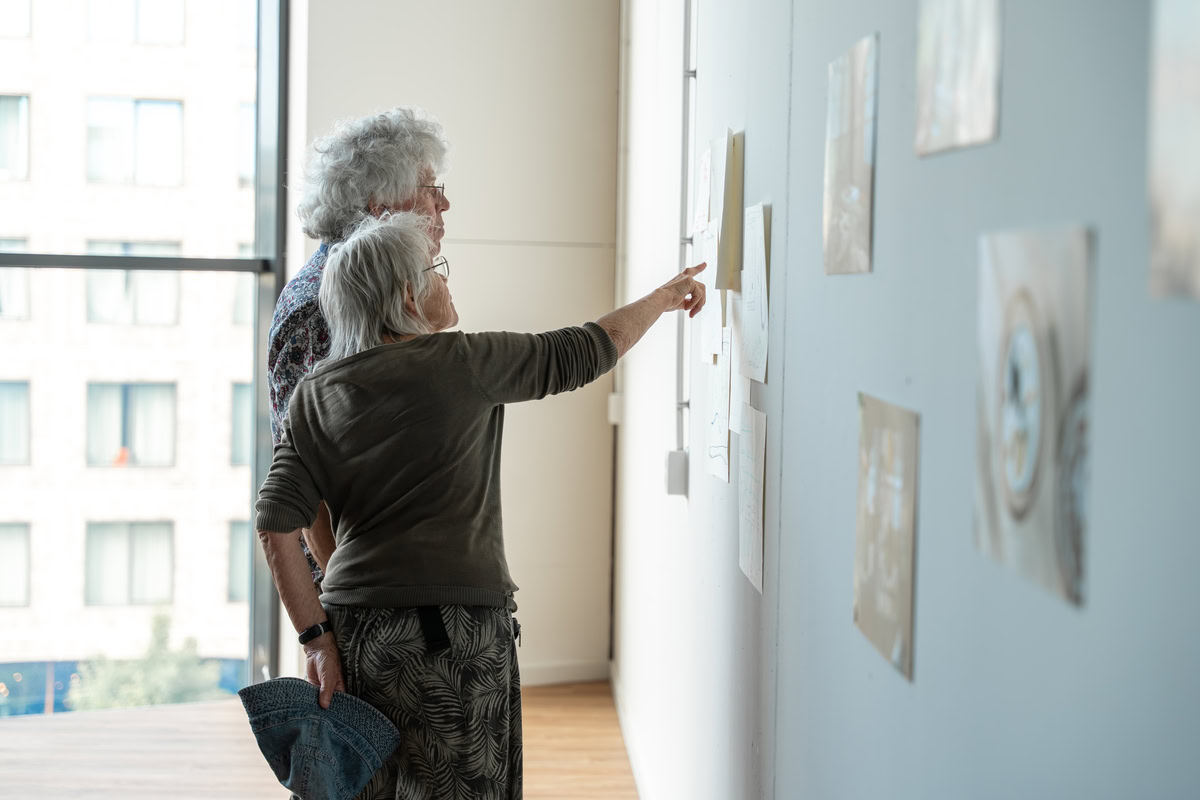
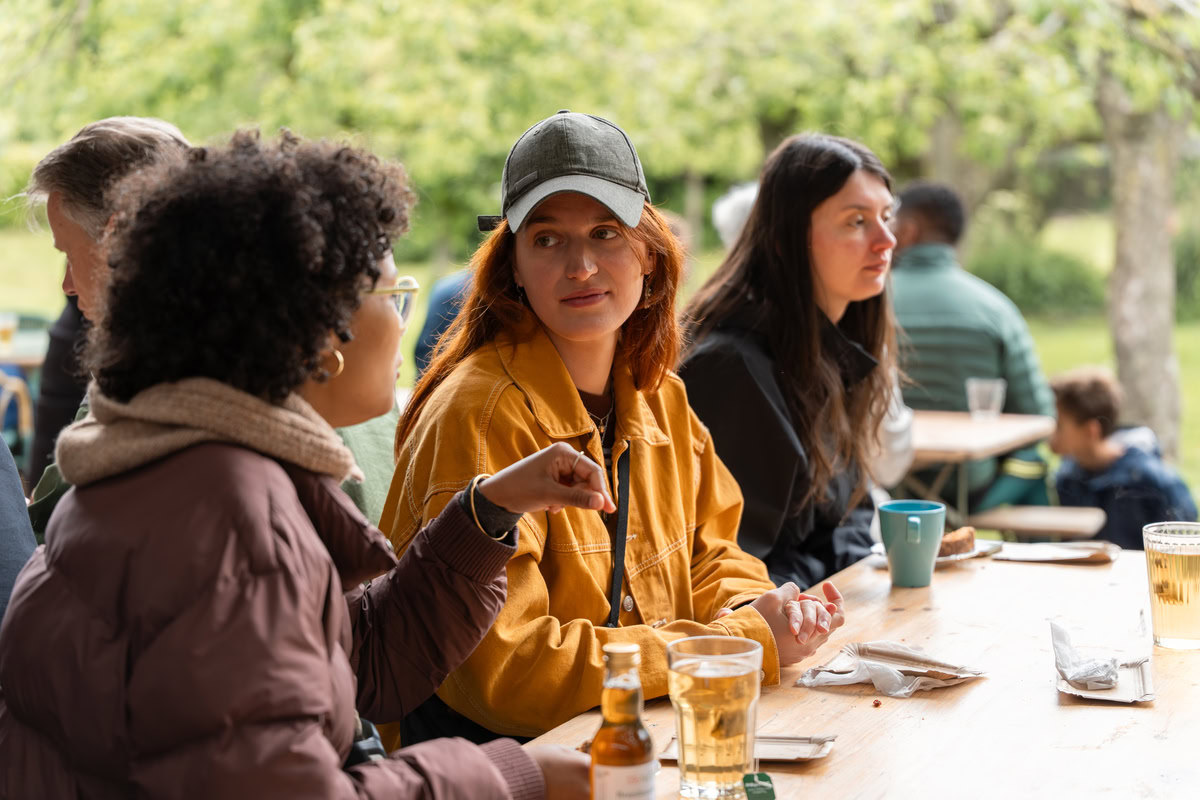
Across both days, the residency offered Almere a space to listen, taste, observe, and participate. The project reinforces this atmosphere: shared tables, quiet exchanges, hands-on experimentation, and moments where audience and artists meet in curiosity.
The event not only showcased new artistic work but also strengthened the connection between local audiences and international perspectives on food, climate, and the futures we are already shaping.